
Namdapha National Park and the Stories of Its Forests
Exploring the wildlife, biodiversity, local traditions and everyday life of Arunachal Pradesh’s eastern wilderness. From four big cats and hundreds of recorded species to local folklore, sacred trees and the communities living around the forest, this blog explores the natural and cultural stories that make Namdapha distinctive.
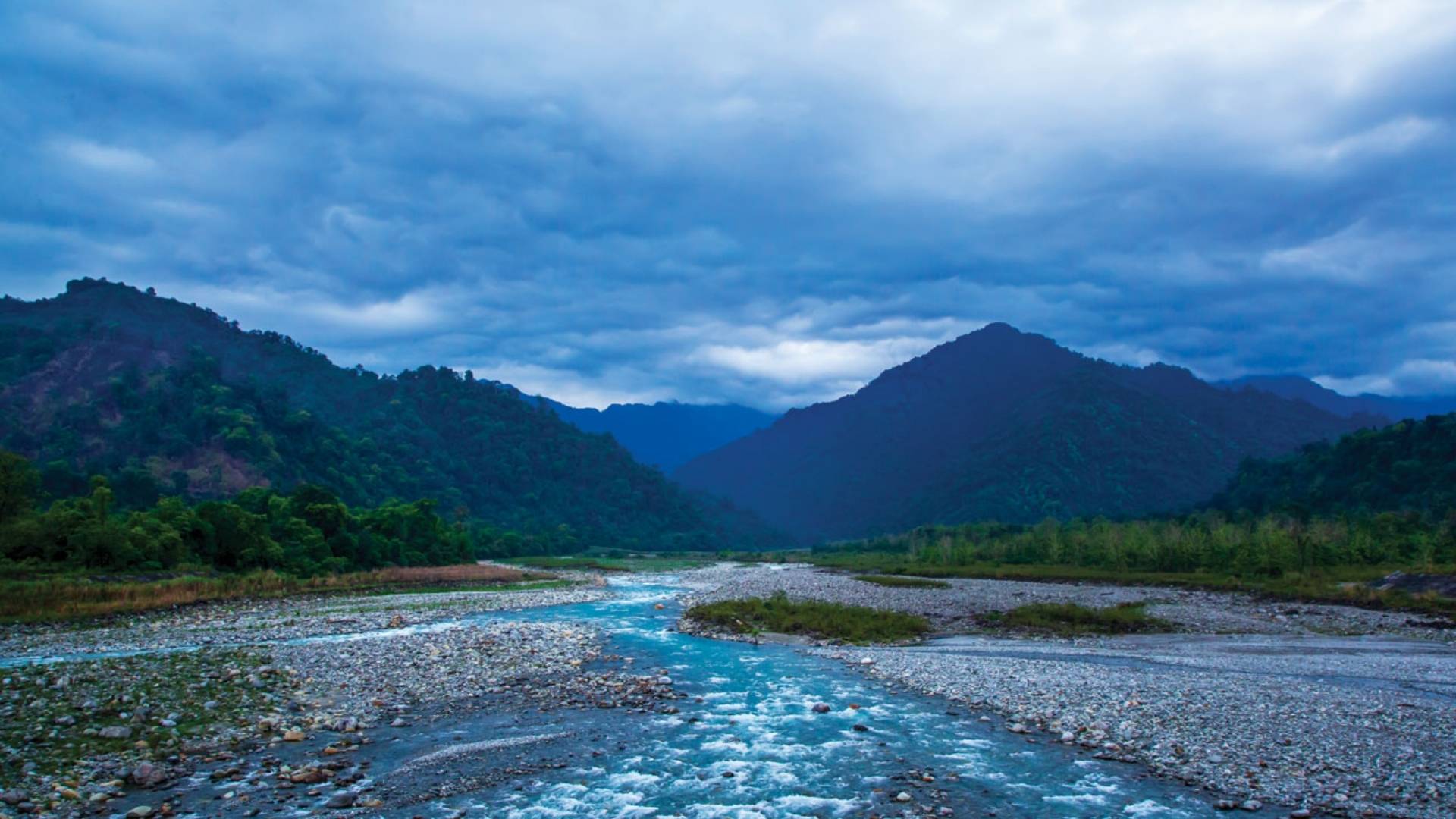
Deep in eastern Arunachal Pradesh, the forest stretches across hills, river valleys and changing landscapes. Birds call from the canopy, the Noa-Dihing River flows through the region, and the dense vegetation shelters an extraordinary variety of wildlife.
This is Namdapha National Park and Tiger Reserve, located in Changlang district near the Myanmar border. While its biodiversity makes it an important destination for nature enthusiasts, there is more to Namdapha than wildlife sightings. Local traditions, sacred places, traditional knowledge and the lives of surrounding communities offer another way to understand this landscape.
To explore Namdapha is to look beyond the forest trails and learn how nature, culture and everyday life are connected. `
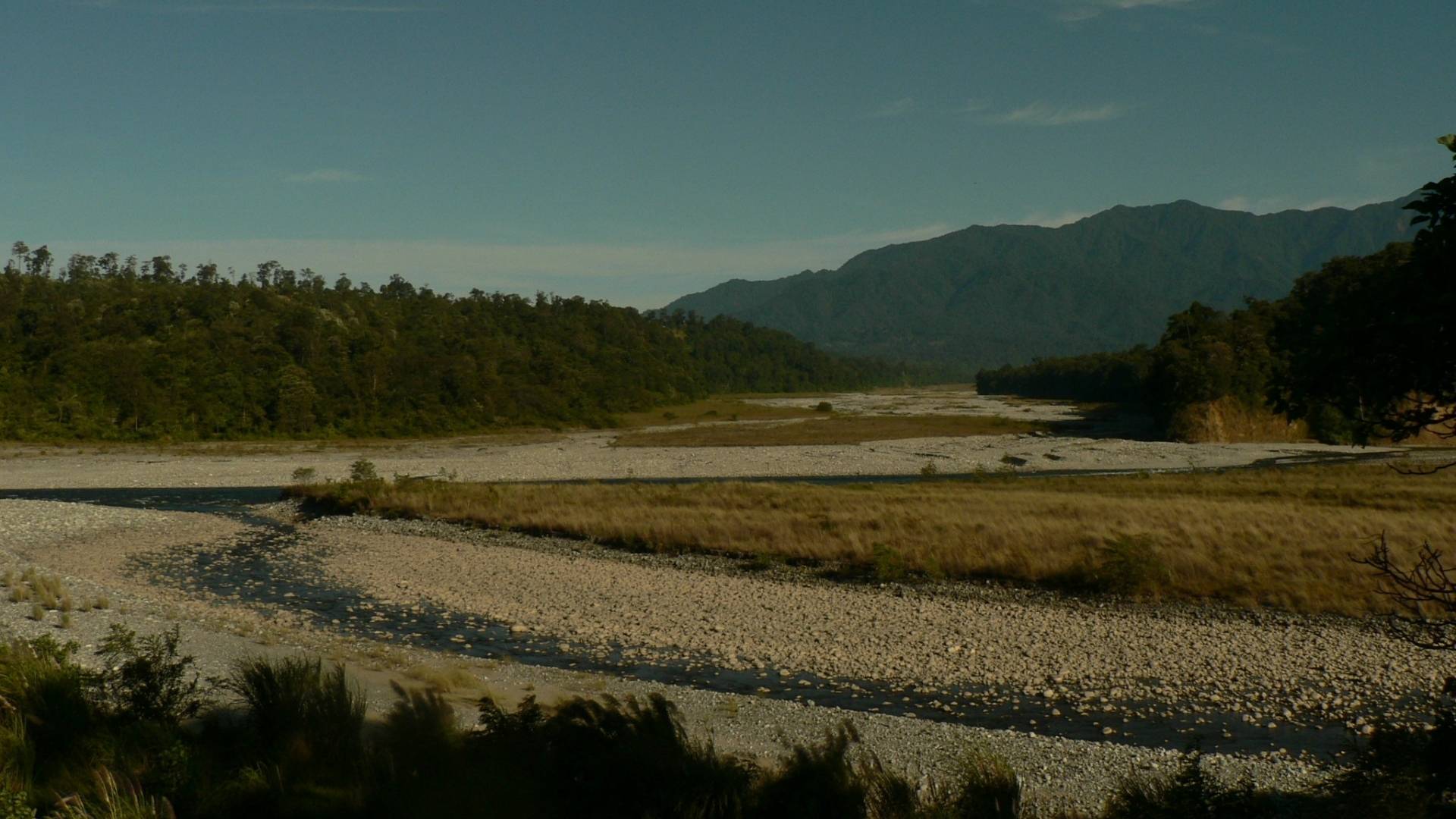
A Landscape of Changing Habitats
Namdapha was declared a national park and brought under Project Tiger in 1983. Covering approximately 1,985 square kilometres, it is one of the major protected areas of Arunachal Pradesh. Miao is an important starting point for visitors travelling to the reserve.
The terrain rises from approximately 200 metres to 4,571 metres above sea level. This wide elevation range creates different habitats, from tropical evergreen and moist deciduous forests at lower elevations to subtropical, temperate and alpine vegetation at higher altitudes.
The reserve’s three wildlife ranges are the Miao Wildlife Range at Diban, the Namdapha Wildlife Range at Firmbase, and the Gandhigram Wildlife Range at Burma Nallah. Together, they represent the geographical spread of a protected landscape where dense vegetation, steep terrain and rivers make wildlife monitoring and travel challenging.
The Biodiversity of Namdapha
Namdapha supports an extensive variety of plant life, including lichens, bryophytes, ferns, gymnosperms and flowering plants. A detailed inventory provided for this article records 73 lichen species, 56 species of bryophytes, 110 species of pteridophytes, 13 species of gymnosperms, 203 species of monocots and 733 species of dicots.
A separate government summary reports different figures for some plant groups, including 59 bryophyte species, 112 pteridophyte species, five gymnosperm species and 801 angiosperm species. These figures come from different published inventories and should not be combined without checking the original records.
The diversity extends to animal life. The detailed fauna inventory provided for this article lists 136 mammal species, 510 bird species, 64 reptile species, 36 amphibian species and 75 fish species. It also records 74 species of snails and crabs, 505 butterfly species, 40 dragonfly species, 17 ant species and 439 other insect species.
Published sources report different totals for some animal groups, depending on the survey and its scope. These numbers should therefore be understood as records from particular inventories rather than one definitive, current count.
Together, these records illustrate the variety of life supported by Namdapha. Its forest is home not only to large mammals but also to birds, reptiles, amphibians and countless smaller organisms that contribute to the ecosystem.
Four Big Cats in One Reserve
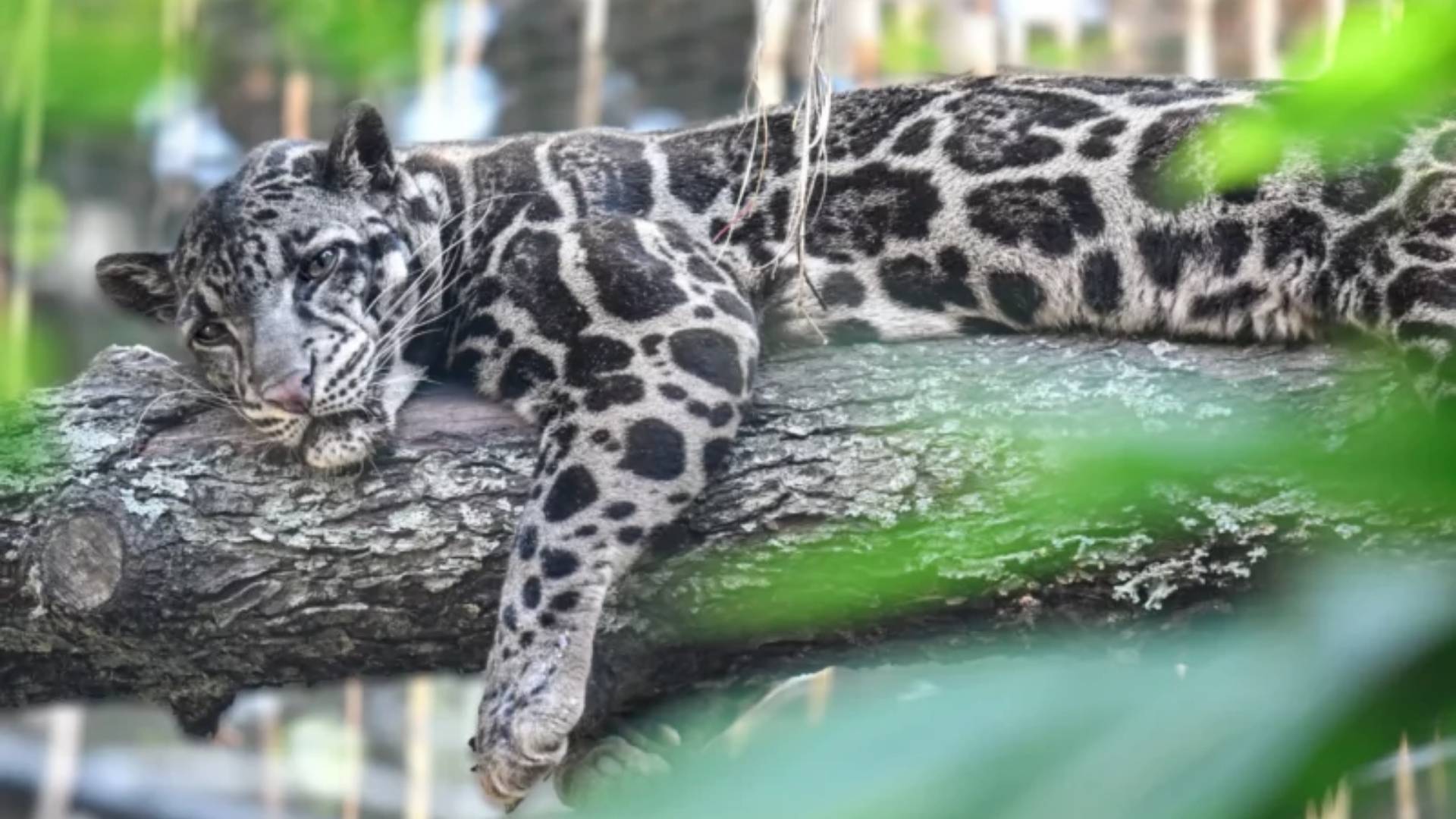
Namdapha is known for records of four big cat species: the tiger, leopard, clouded leopard and snow leopard. Their association with the reserve reflects its wide elevation range and varied habitats.
Tigers require suitable habitat, prey and space. Leopards can adapt to different environments, while clouded leopards are associated with forest habitats and are known for their ability to move through trees. Snow leopards are generally associated with high-altitude mountain environments.
Although government sources identify all four species in connection with Namdapha, this does not mean visitors are likely to see them during a trip. Wildlife sightings depend on many factors, and animals can remain hidden in dense vegetation.
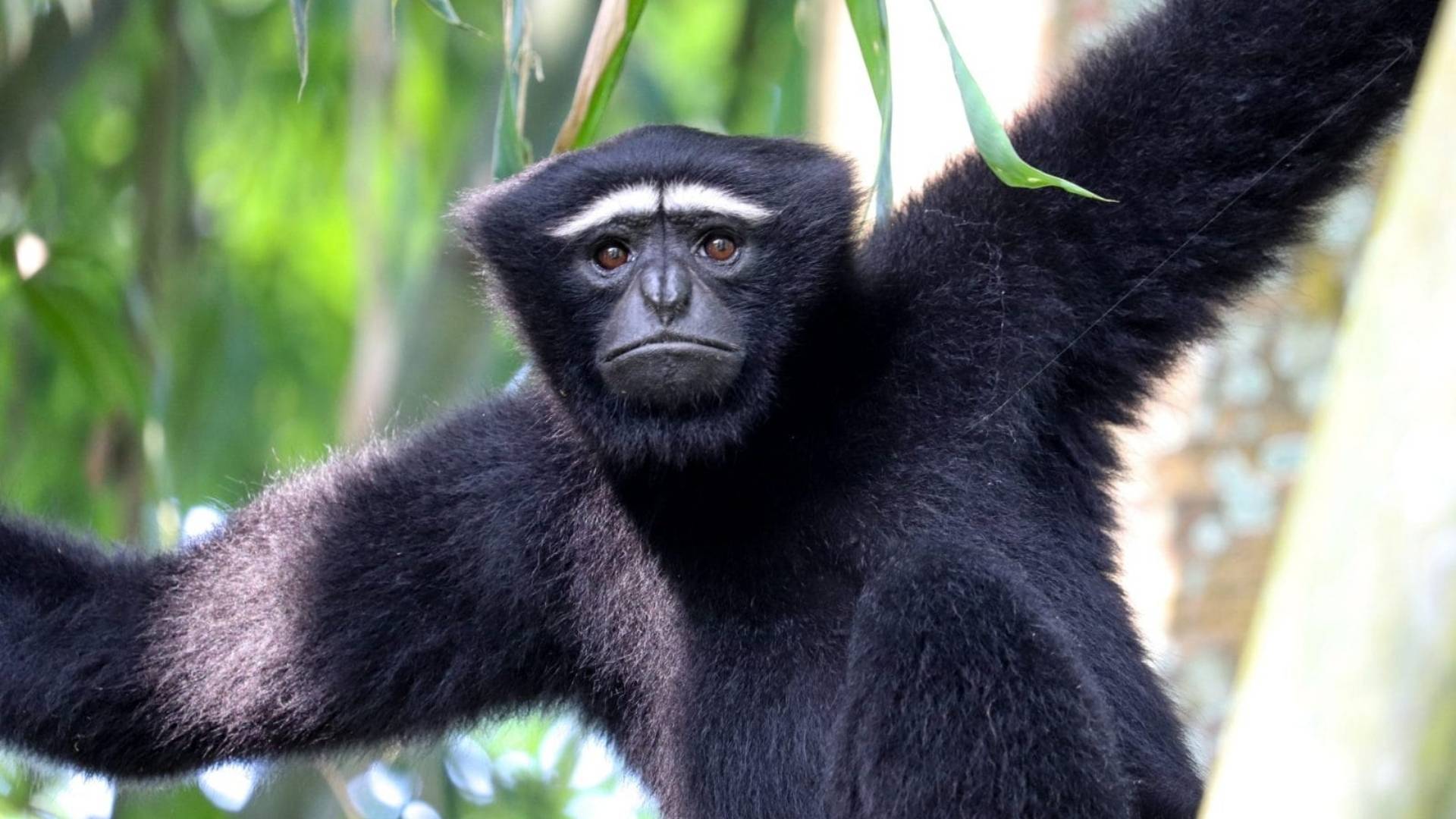
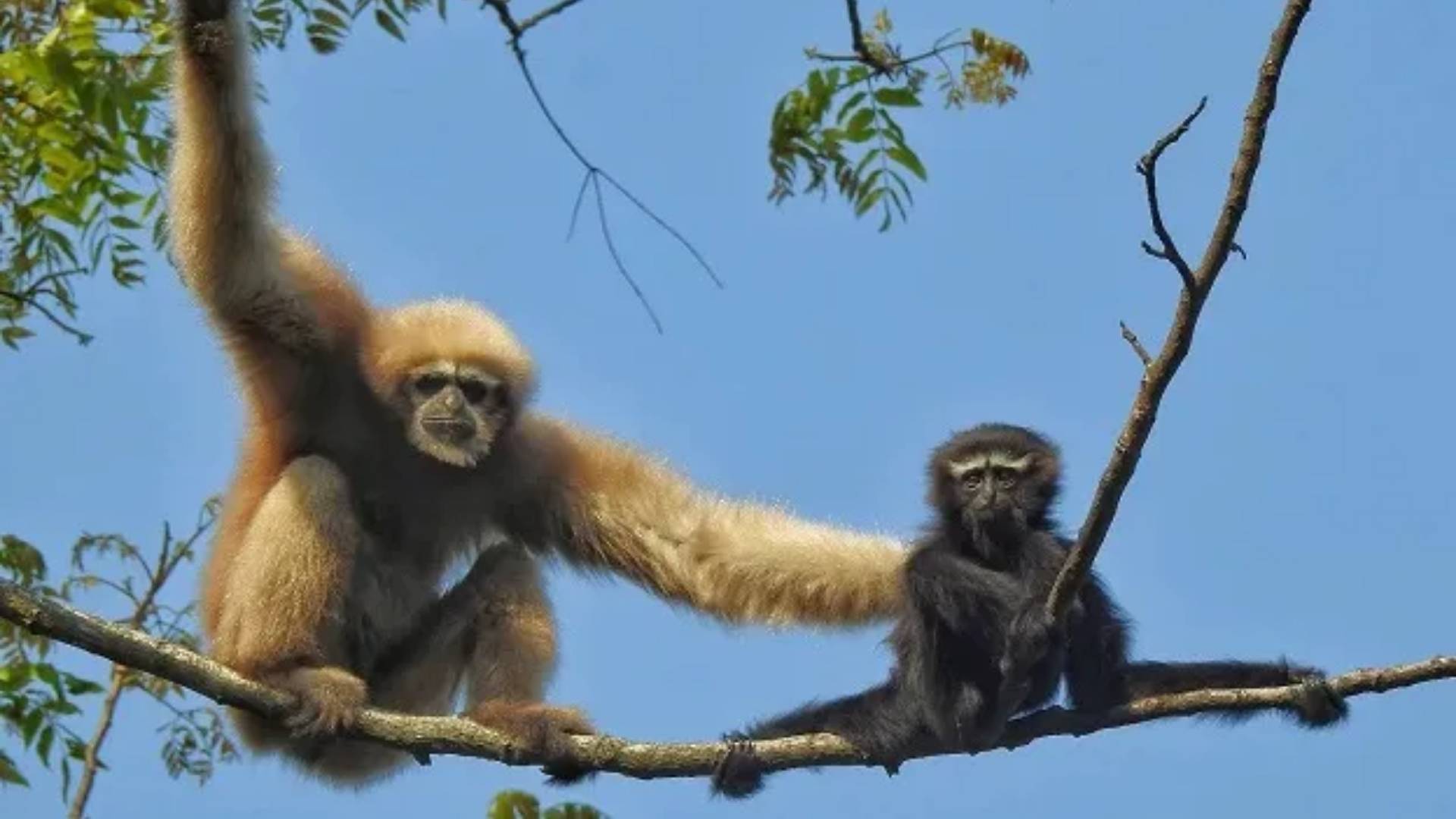
The reserve also supports a wide range of other wildlife. Its recorded species include the hoolock gibbon, hornbills and the white-winged wood duck, a globally threatened bird. For visitors, guided nature walks and birdwatching offer opportunities to learn about the wider ecosystem rather than focusing only on large-animal sightings.
The Noa-Dihing River
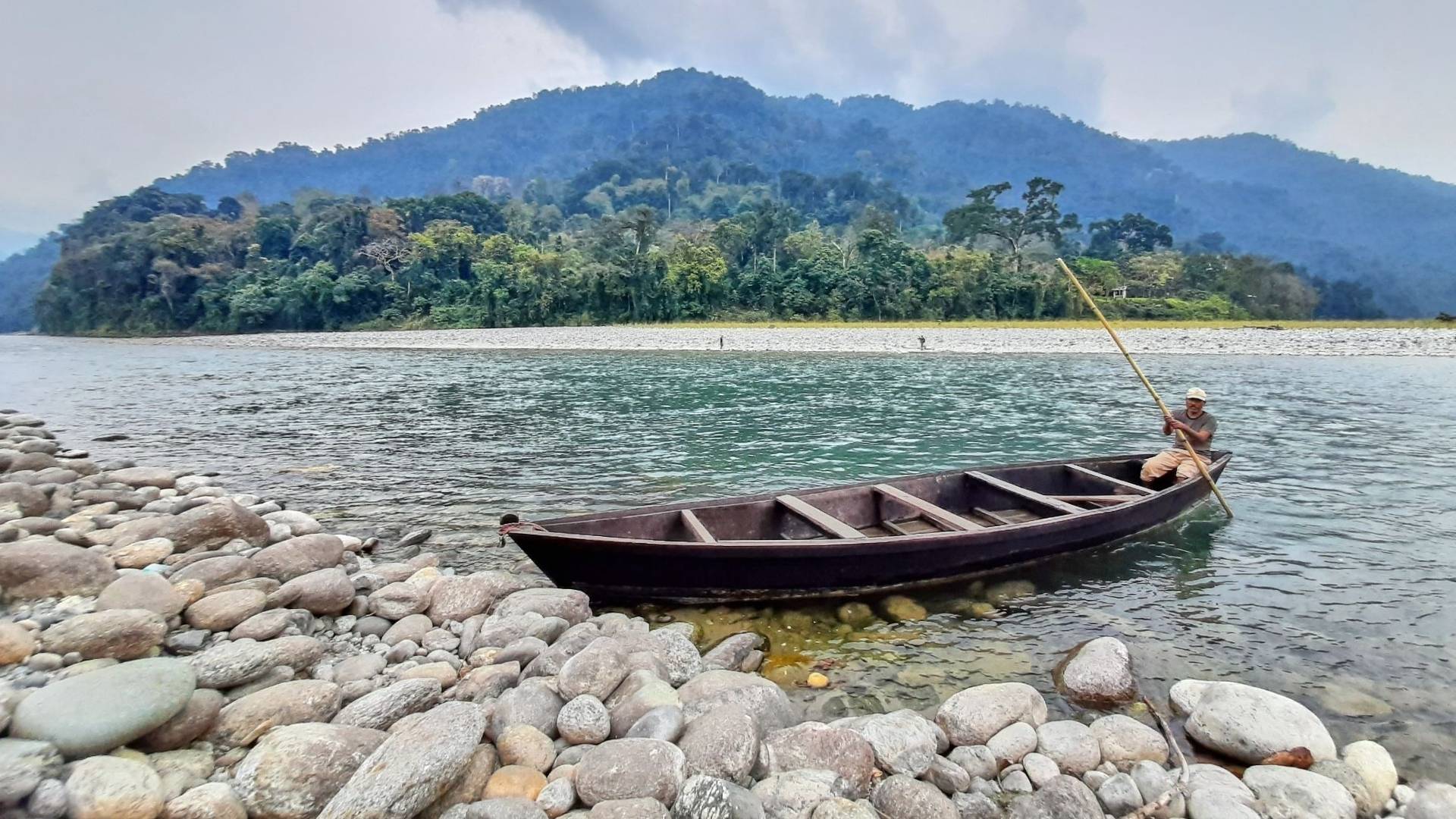
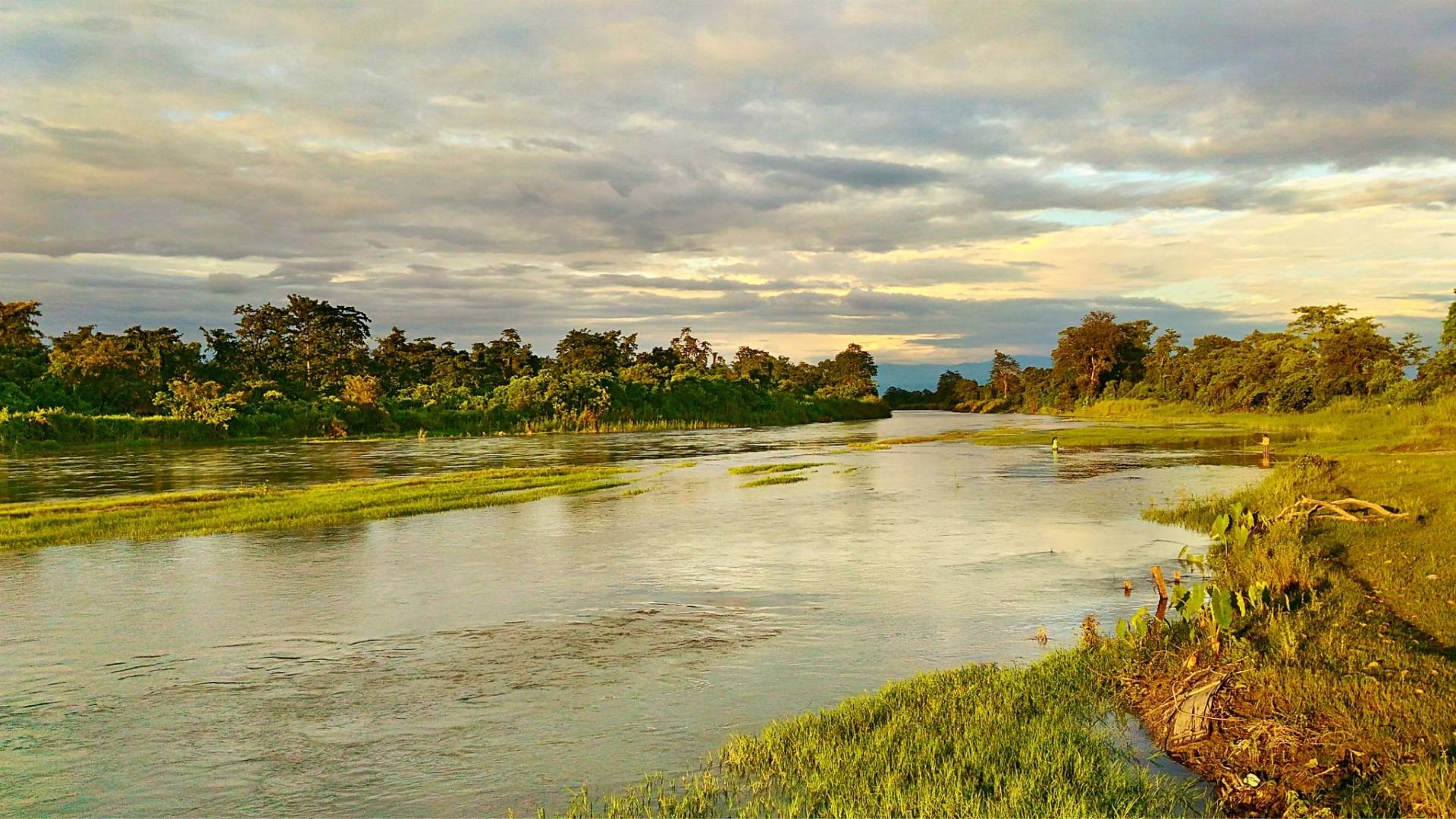
The Noa-Dihing River is an important feature of the Namdapha landscape. Flowing through forested terrain, it connects the surrounding hills, river valleys and settlements.
Deban, a forest camp on the bank of the Noa-Dihing, provides a base for accessing permitted parts of the reserve. The river and the surrounding evergreen forest form an important part of the experience, offering opportunities to observe the landscape, listen to bird calls and explore authorised trails with a guide.
Rivers influence the habitats around them, support wildlife and form part of the wider ecological system. Spending time beside the Noa-Dihing also offers a chance to experience Namdapha at a slower pace, without expecting every moment to produce a wildlife sighting.
Folklore and Sacred Places
The stories of Namdapha are not limited to scientific records. Research published in 2015 examined traditional beliefs and biodiversity conservation around the park, documenting sacred sites, trees and practices associated with different local communities.
One account concerns Parbateswar Temple near Anamika Waterfall inside the park. The research associates the name Parbateswar with a deity of the mountains. According to an account recorded from local people, the waterfall’s name is linked to a girl named Anamika who was said to have died after a sudden surge of water. The account describes a place of worship becoming associated with the forest and the deity of the hills following the incident.
The study also documents beliefs associated with Dangoria Baba, regarded by some local people and forest personnel as a spiritual guardian connected with the forest and wild animals. The research records a belief that worship before entering forest areas could offer protection from wild animals and natural calamities.
These are locally documented accounts, not beliefs that should be attributed to every community in the region. They show how particular places can carry cultural and spiritual meaning alongside their ecological importance.
Sacred Trees and Traditional Knowledge
Research around Namdapha has documented trees valued for religious beliefs, house-building materials, fuel and other practical uses. Certain trees were also valued for providing habitat for honeybees. Some trees were protected because of their cultural or religious significance, while others were managed for practical purposes through selective harvesting. These examples show that the relationship between people and forests can involve several overlapping needs and values.
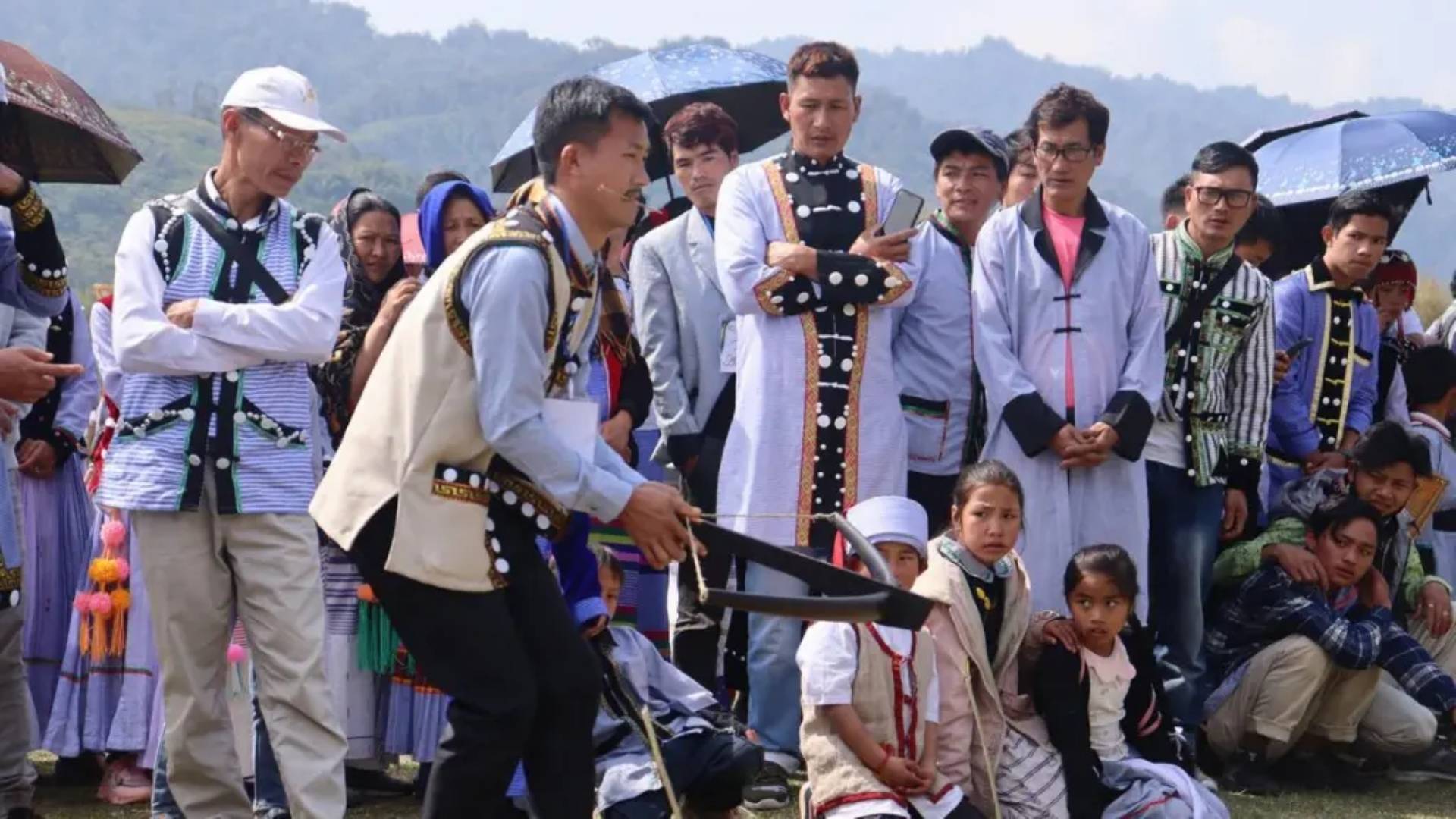
The wider region is home to communities including Singpho, Lisu, Tangsa, Chakma, Mishmi and Lama people, among others. Their histories, languages, customs and livelihoods differ. Research on the Lisu, also known as Yobin, documents knowledge of agriculture, horticulture and the use of non-timber forest products.
This knowledge reflects people’s experience of the landscape, including which plants are useful, how crops are grown and how available resources are used for food, shelter and other needs. These practices also change over time as education, markets, infrastructure and livelihood opportunities develop.
Food and Everyday Life
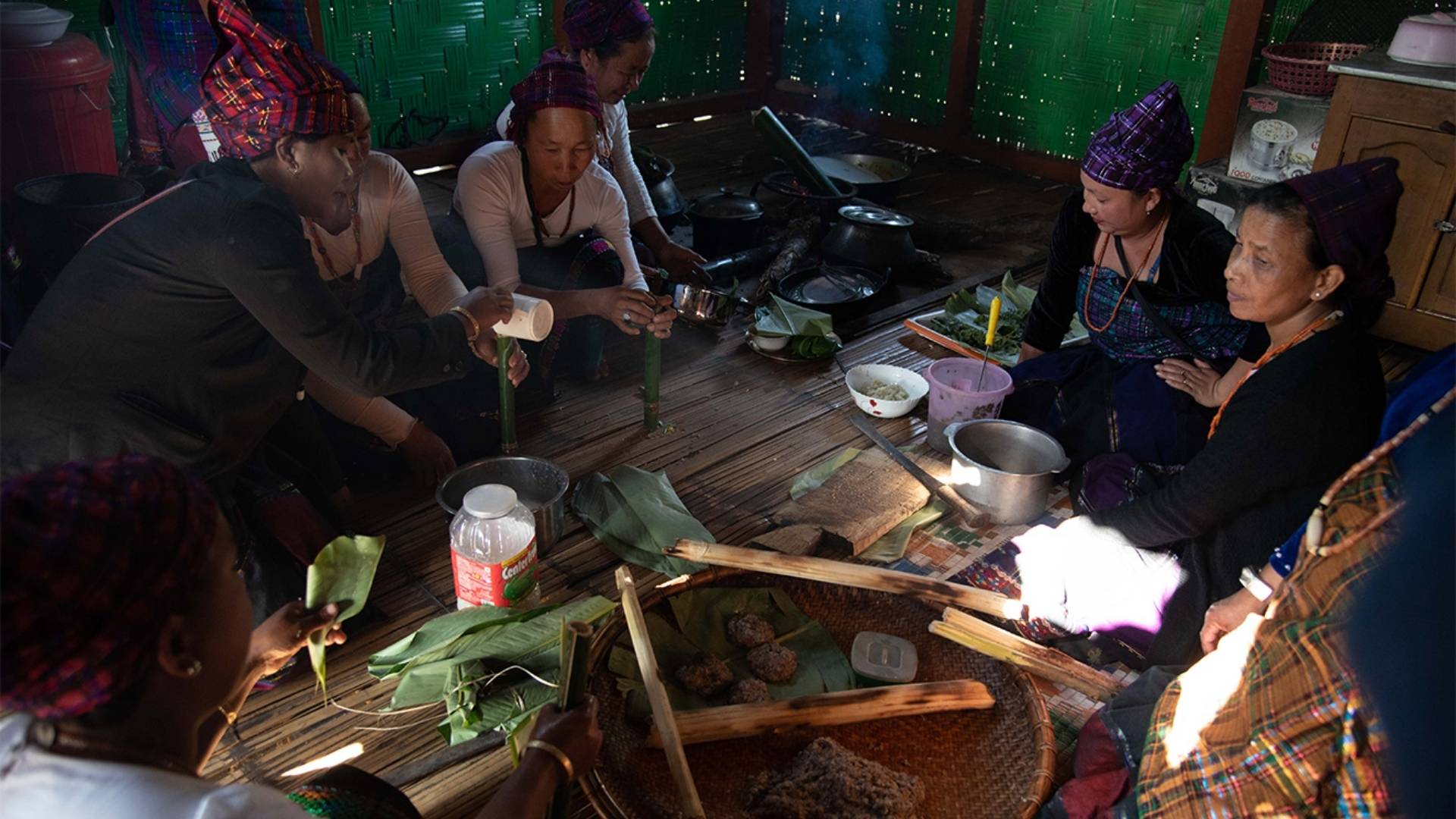
Food offers another way to understand the relationship between people and the landscape. Across the wider region, local food traditions draw on ingredients from farms, home gardens, markets and, where permitted, forest products. Research on the Lisu community around Namdapha documents the use of non-timber forest products for different purposes. However, ingredients and food practices vary between communities, and it would be inaccurate to present one tradition as representative of the entire region.
For travellers, sharing a meal or speaking with a local guide can provide insight into everyday life that wildlife statistics alone cannot offer. Conversations about farming, seasonal ingredients and traditional knowledge can help visitors understand how people relate to the landscape. These experiences should take place with the consent of the people sharing them, rather than treating local culture as a performance for visitors.
Conservation and Local Livelihoods
Protecting Namdapha involves more than safeguarding wildlife. It also requires an understanding of the people living in the surrounding landscape and the ways they use and relate to natural resources. Research on the region has documented challenges where conservation objectives, resource use and local livelihoods intersect. Scientific surveys help record species and identify important habitats, while local knowledge can provide insight into the practical and cultural significance of the landscape.
Tourism can contribute to local livelihoods through guiding, transport, food services and accommodation. However, its benefits depend on how opportunities are organised and how much spending reaches local people. Tourism alone cannot solve every conservation challenge. Visitors can contribute by following park regulations, staying on authorised routes, carrying their waste out, avoiding disturbance to wildlife and asking permission before photographing people or private places. Where available, choosing local services can also help support livelihoods in the region.
Namdapha brings together several stories within one landscape. Its changing habitats support a remarkable variety of plants and animals, while the Noa-Dihing River, sacred places and local traditions reveal other dimensions of the region. The reserve’s importance lies not only in its four big cats or the number of species recorded within it, but also in the connections between nature, culture and everyday life. Understanding these connections gives visitors a fuller picture of eastern Arunachal Pradesh.
A journey through Namdapha is an opportunity to observe carefully, listen to local voices and learn about a landscape that cannot be understood through wildlife sightings alone.
Explore Mountain Homestays for journeys that bring travellers closer to the landscapes, traditions and everyday life of Northeast India.
For more stories from the region, read Mountain Homestays’ destination blogs and explore travel experiences shaped by the places and people of the Northeast.