
Located in Meghalaya, Garo Hills offers a range of natural and cultural attractions for travellers interested in exploring the region beyond its more familiar destinations. The area includes forested hills, river canyons, waterfalls, limestone caves, wildlife habitats and villages associated with the traditions of the Garo people.
Tura serves as an important centre for exploring the region, with several attractions located within a few hours’ journey and others requiring longer excursions. Activities range from trekking in Nokrek National Park and exploring Wari Chora to visiting traditional villages, observing wildlife and learning about local cultural practices.
For travellers planning a trip to Meghalaya, Garo Hills offers opportunities to combine outdoor activities with community-based tourism and cultural experiences. Here are eight things to do when exploring the region.
1. Explore Wari Chora
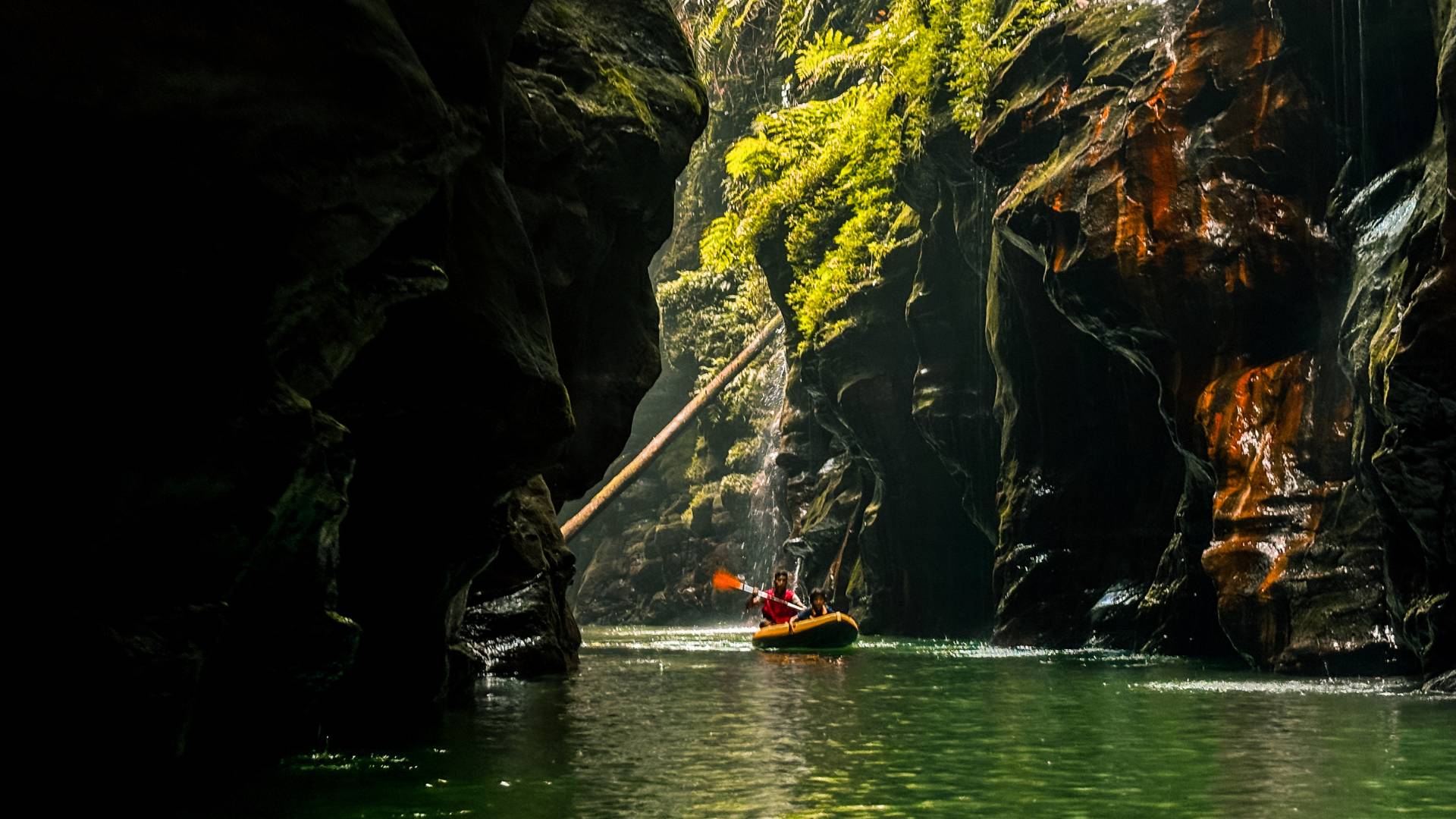
Located in South Garo Hills, Wari Chora is a river canyon known for its green waters and steep rock formations. The canyon is associated with the Rongdik River and can be explored through locally organised river activities.
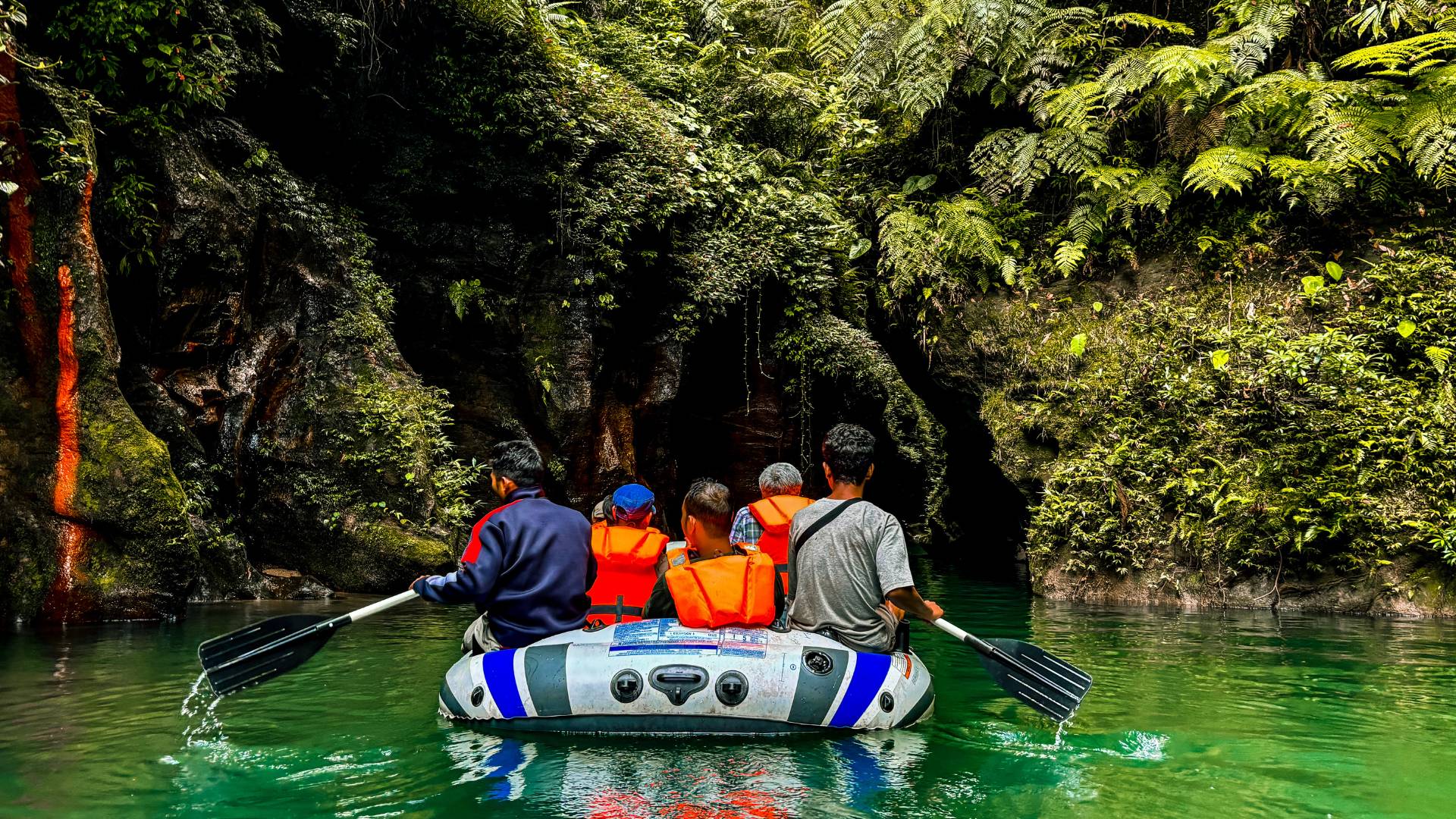
Visitors can experience the area through canoeing, kayaking or rafting where available. Reaching the river may involve a four-wheel-drive journey and a downhill trek, depending on the route and local arrangements. The journey provides opportunities to observe the surrounding forest and rock formations.
Wari Chora is suitable for travellers interested in outdoor activities and river landscapes. Local guides can assist with navigation and provide information about the area. Visitors should confirm access arrangements, weather conditions and river safety before planning their trip.
The destination can be included in a longer itinerary covering South Garo Hills, particularly for travellers interested in combining river activities with visits to nearby villages and natural attractions.
2. Trek in Nokrek National Park
Nokrek National Park, located in West Garo Hills, is known for its forest ecosystems and biodiversity. It is an important destination for travellers interested in trekking, birdwatching and exploring the natural environment of Meghalaya.
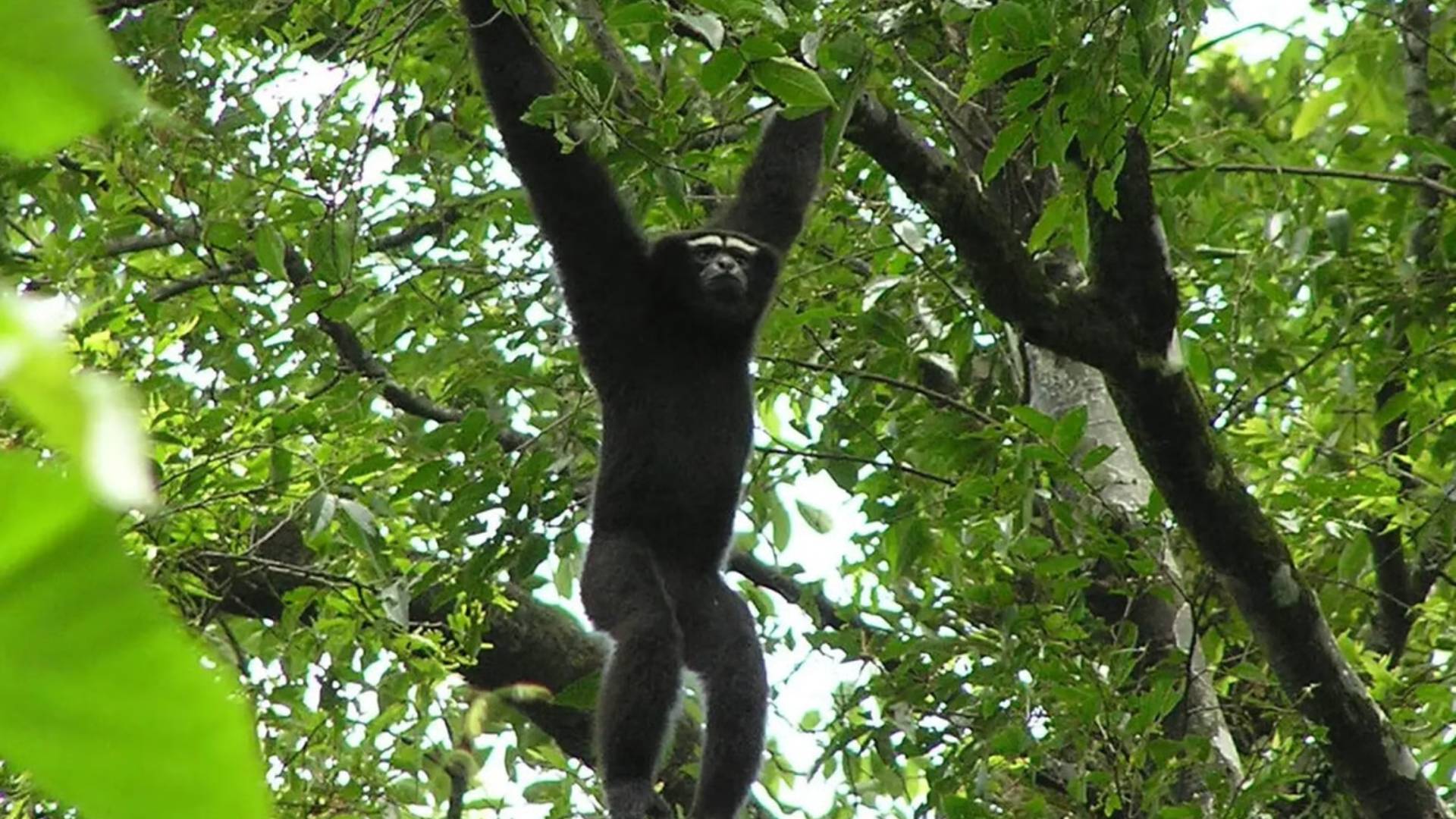
A trek through the park allows visitors to follow forest trails and observe the area’s vegetation and wildlife habitats. The region supports diverse bird species and mammals, including the hoolock gibbon and Asian elephant. Wildlife sightings depend on the season and local conditions.
Daribokgre village serves as a starting point for treks in the Nokrek area. Visitors can combine a forest trek with a village visit to learn about the surrounding landscape and rural life.
Trekking routes and access conditions should be confirmed before departure. Depending on the route, visitors may need local guides and sufficient time to complete the excursion.
For travellers interested in nature-based tourism, Nokrek offers an opportunity to explore the biodiversity of Garo Hills while learning about the importance of forest conservation.
3. Visit the Waterfalls
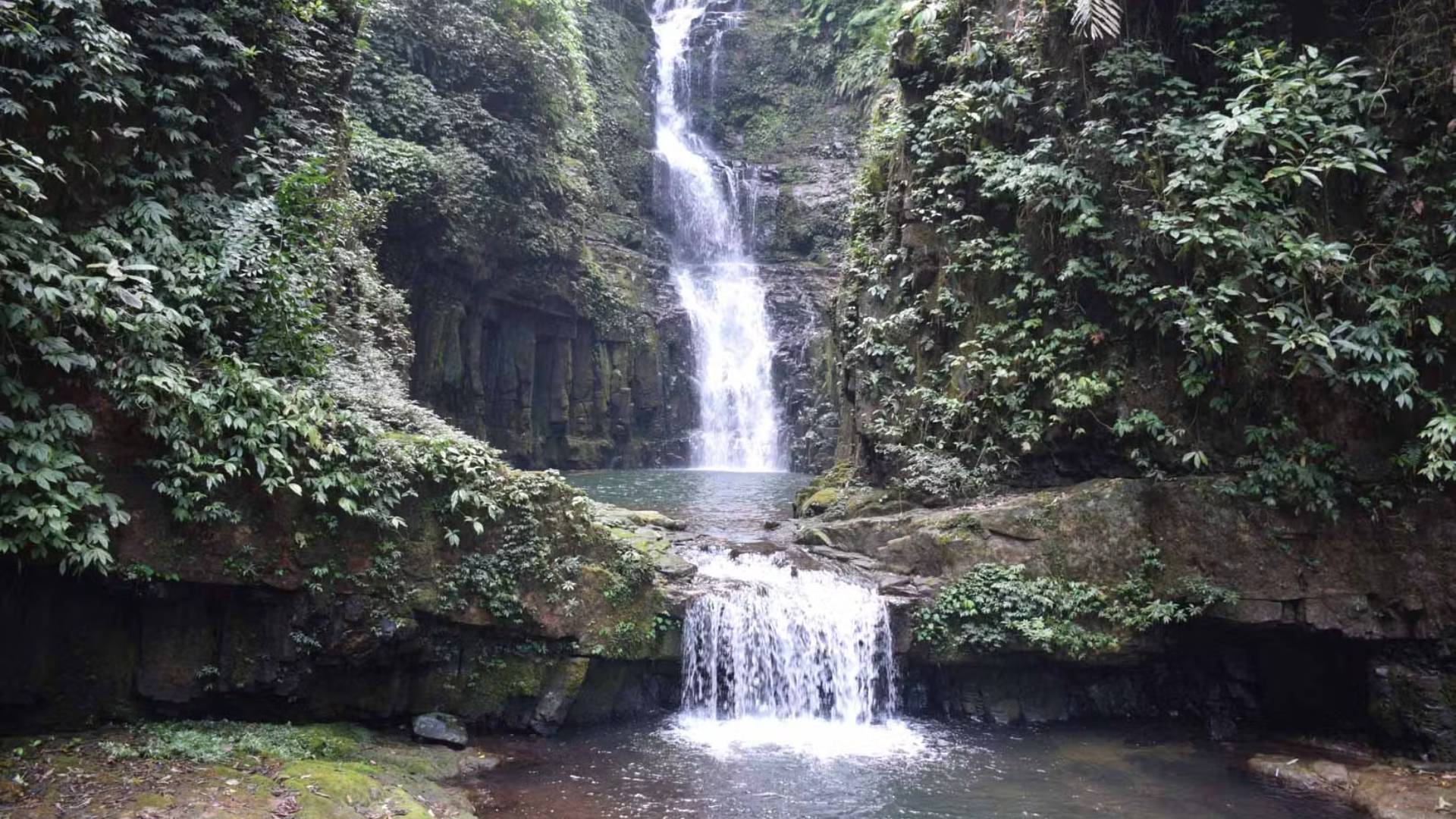
Garo Hills has several waterfalls that can be included in a nature-focused itinerary. These destinations offer opportunities for photography, short walks and exploring the surrounding landscape. Pelga Falls, located in West Garo Hills, is known for its waterfall and traditional bamboo bridges. It is approximately 30 minutes from Tura.
Rongbang Waterfalls in East Garo Hills is another destination for visitors interested in waterfalls and forested surroundings. The area is associated with the Simsang River landscape and is particularly suitable for exploring during periods when access conditions are favourable. Other waterfalls include Jade Dare Waterfall and Chinma Dare Waterfall, both located in East Garo Hills. Jade Dare is surrounded by greenery, while Chinma Dare comprises a series of waterfalls along a scenic route.
Visitors should check road conditions and local guidance before travelling to these locations. Water levels, trail conditions and accessibility can vary with the weather, especially during the monsoon. Swimming should only be considered where local guidance confirms that conditions are safe.
Including waterfalls in an itinerary provides an opportunity to explore different parts of Garo Hills and observe the region’s river systems and natural landscapes.
4. Explore Siju and Nakama Caves
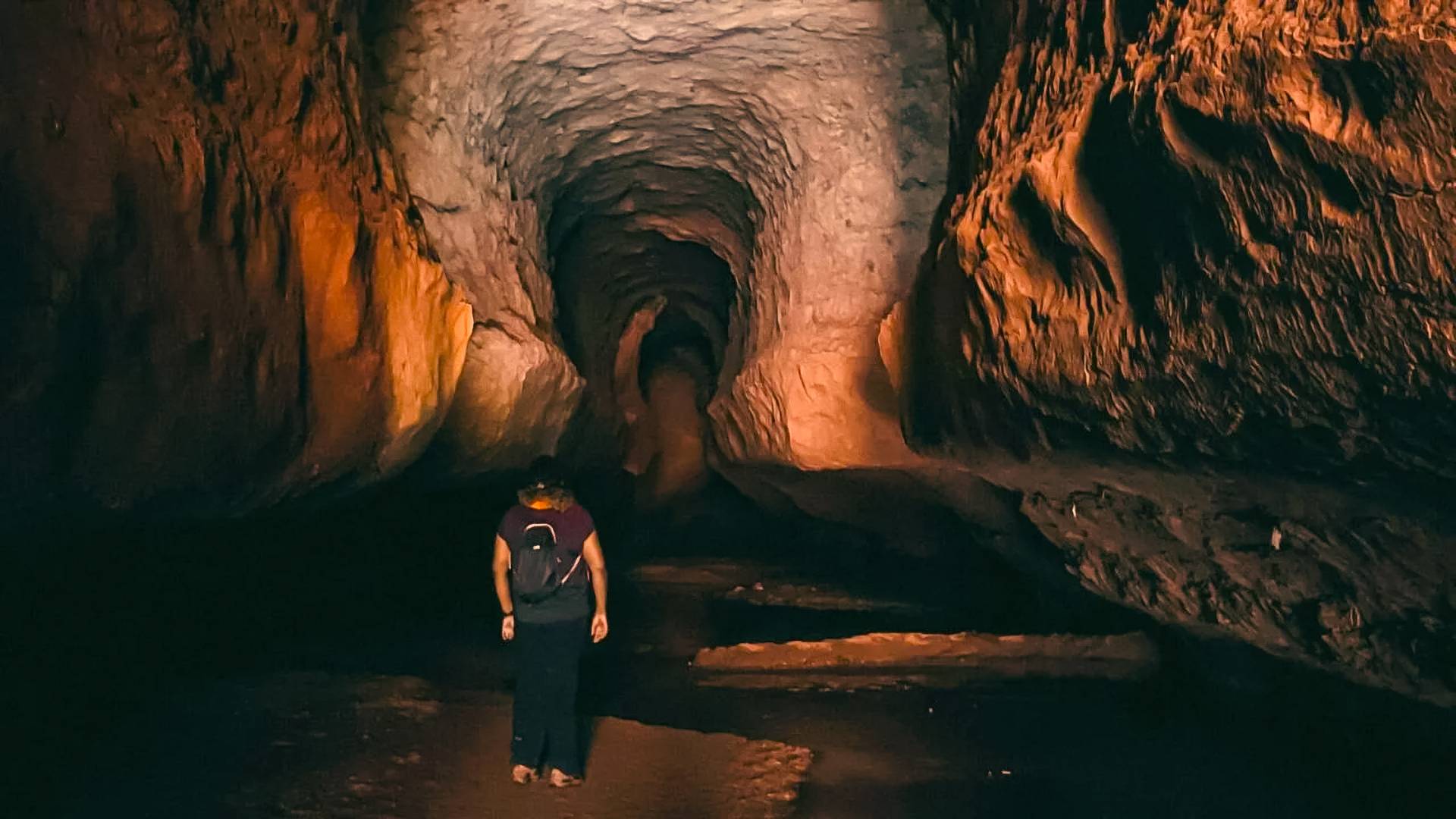
The limestone caves of Garo Hills offer opportunities to explore the region’s geological features and local stories. Siju Caves, located in South Garo Hills, are known for their limestone formations, including stalactites and stalagmites. The cave system is among the region’s established natural attractions and is of interest to travellers exploring Meghalaya’s underground landscapes.
Nearby, Siju Bird Sanctuary provides opportunities for birdwatching. The sanctuary is associated with the Simsang River area and supports a range of bird species, making it a useful addition to a visit to Siju Caves. Nakama Caves, also located in South Garo Hills, are associated with local folklore. Travellers interested in the cultural aspects of the region may find the stories connected with the caves an additional reason to visit.
These destinations require travel planning, as the journey from Tura can take several hours. Visitors should confirm access arrangements and local conditions before departure. Cave exploration should be undertaken with appropriate guidance, and visitors should avoid damaging rock formations or leaving waste inside the caves.
5. Visit Daribokgre Village
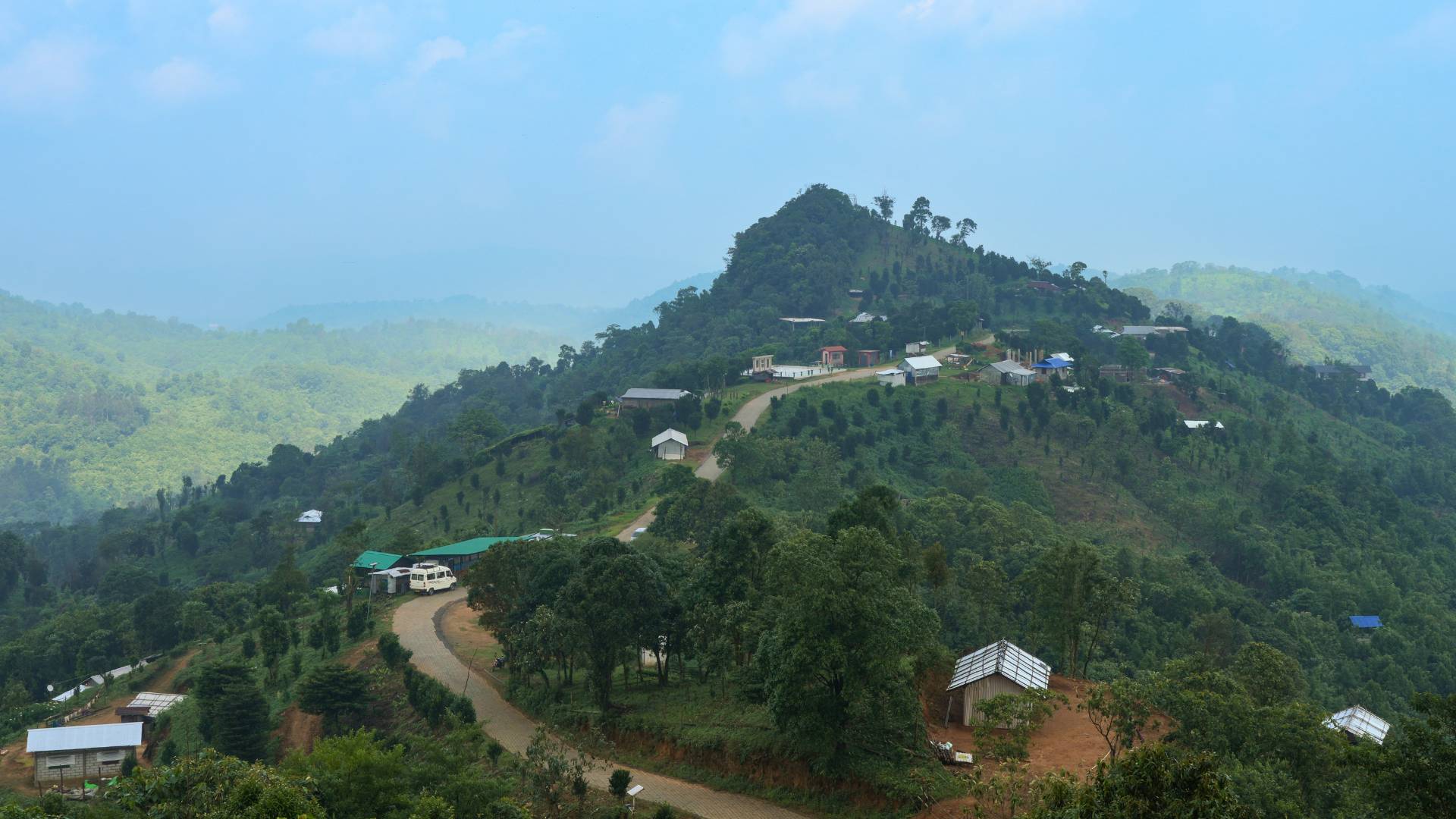
Daribokgre is a village in West Garo Hills located near Nokrek National Park. The village is known for its orange orchards and rural surroundings, making it a suitable destination for visitors interested in village life and seasonal agricultural activities. During the orange season, visitors may be able to participate in orange picking in Daribokgre and nearby Sasatgre, subject to local availability. The experience offers an opportunity to learn about local produce and the role of orchards in the surrounding communities.
A visit to Daribokgre can be combined with a trek in Nokrek National Park. This allows travellers to explore the forest landscape and spend time in a village within the same area. Visitors can also learn about local customs and everyday activities through interactions with residents, where appropriate. Such visits should be arranged respectfully, with permission sought before photographing people or entering private property.
Daribokgre is a useful addition to itineraries focused on nature and community-based tourism, particularly for travellers looking to understand the relationship between rural livelihoods and the surrounding landscape.
6. Experience Garo Culture and Wangala
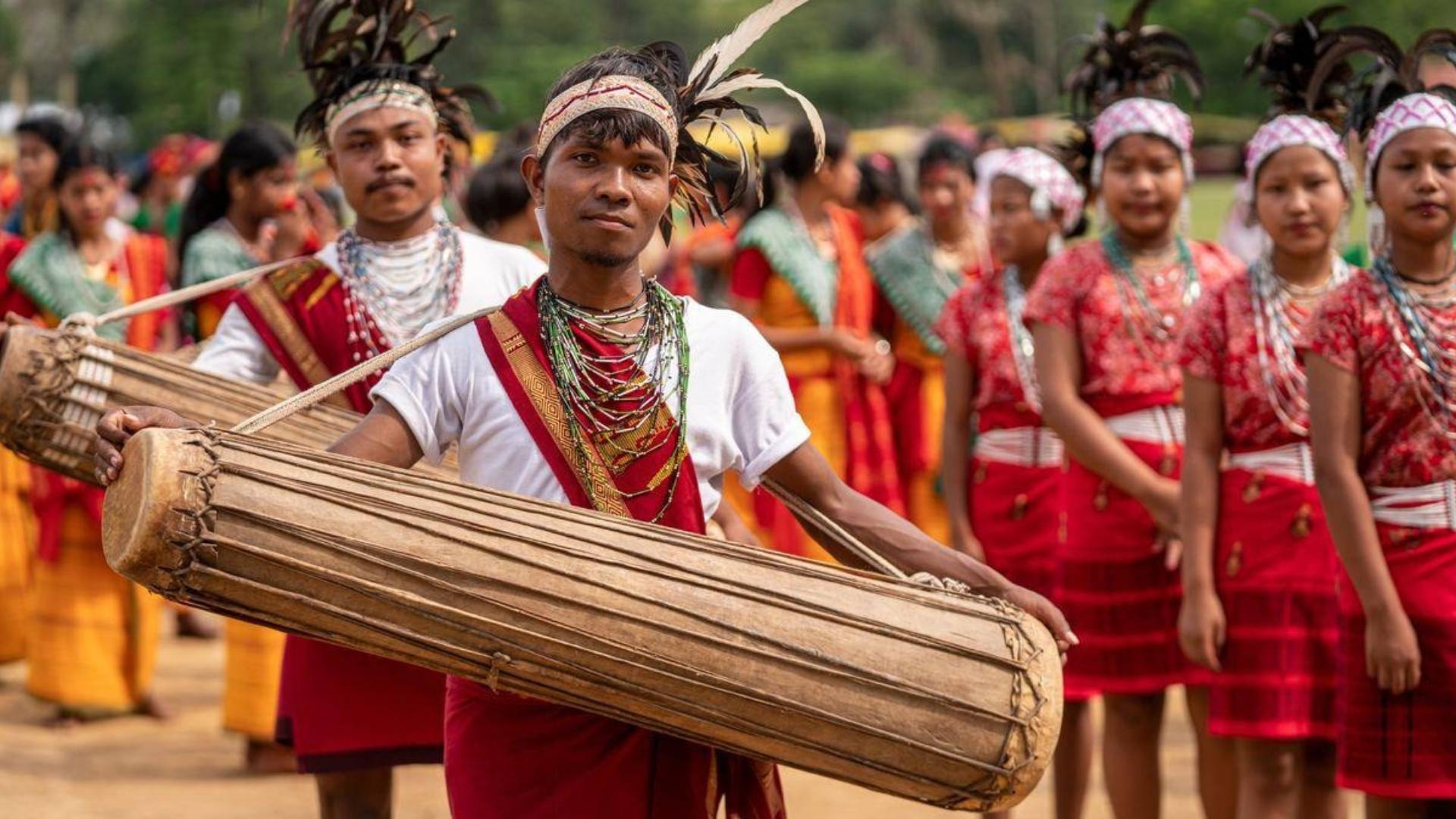
The cultural traditions of the Garo people form an important part of the region’s identity. Festivals, music, dance, food and community practices provide opportunities for visitors to learn about local life and traditions. One of the best-known cultural events is the Wangala Festival, a harvest festival dedicated to Saljong, the deity associated with fertility. Also known as the 100 Drums Festival, Wangala features traditional dances, rhythmic drumming and colourful attire.
The festival is celebrated in different parts of Garo Hills, with major events organised at designated locations. Travellers interested in attending should confirm the dates and programme before planning their visit. Food is another aspect of the region’s cultural experience. Traditional meals can introduce visitors to local ingredients and cooking practices. Travellers can ask local hosts about regional dishes and food traditions, although specific experiences depend on availability.
Cultural performances and community-organised activities may also be available outside festival periods. Visitors should approach these experiences with respect for local customs and the significance of community traditions. Experiencing Garo culture alongside nature-based activities provides a broader understanding of the region and the people who live there.
7. Explore Balpakram and Siju Bird Sanctuary
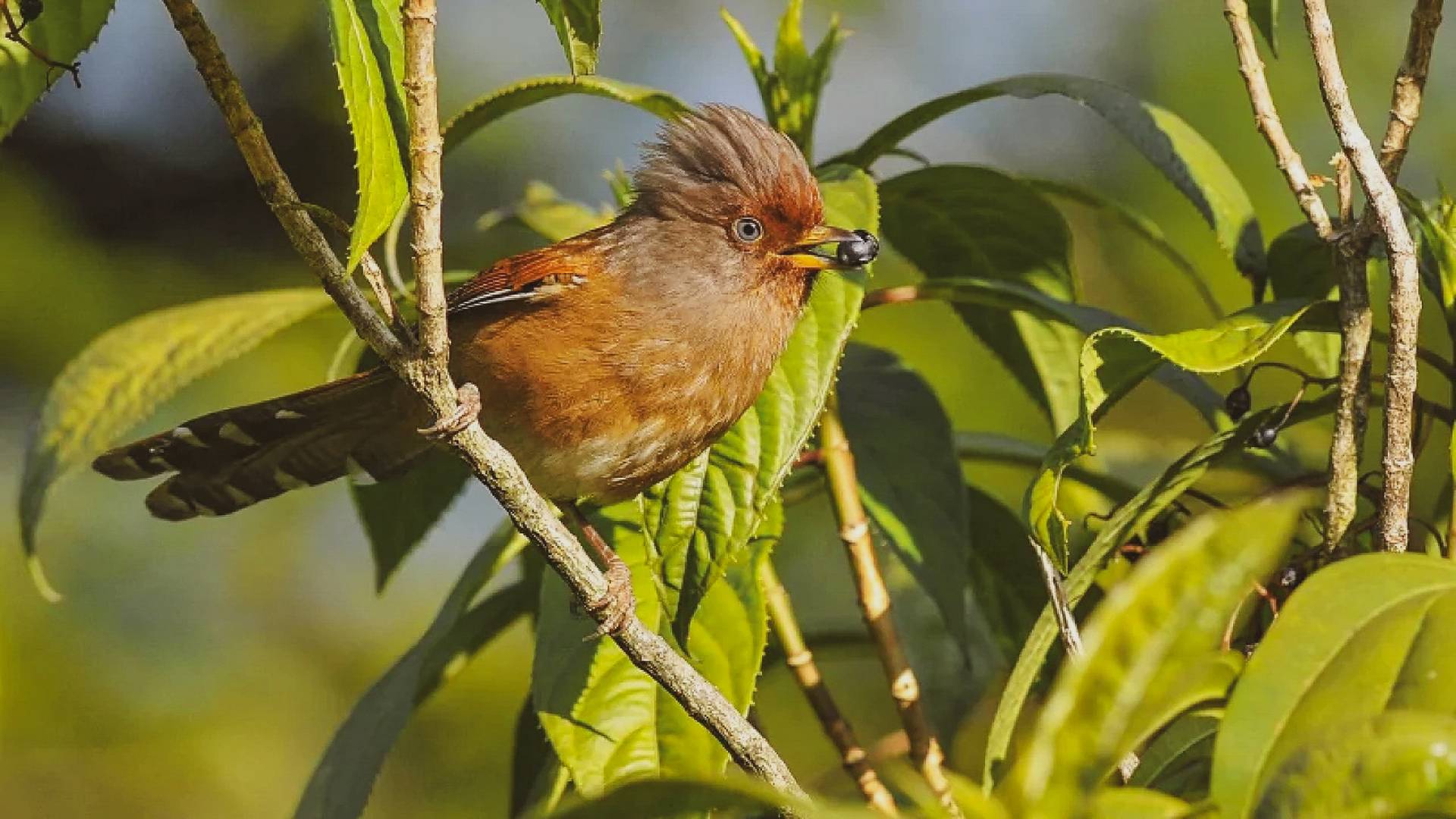
Garo Hills has several destinations for travellers interested in wildlife and birdwatching. Its forests, river valleys and varied habitats support a range of flora and fauna. Balpakram National Park, located in South Garo Hills, is known for its wildlife, birds and diverse vegetation. The park is also associated with Garo folklore, which forms part of the region’s cultural heritage.
Visitors can explore the area’s landscapes and learn about its natural environment. Wildlife sightings are not guaranteed, and activities should follow local regulations and conservation guidance. Siju Bird Sanctuary is another destination for birdwatchers. Visitors interested in birdwatching can carry binoculars and allow sufficient time for observation. Maintaining a respectful distance from wildlife and avoiding disturbance to birds are important considerations.
Both destinations are located at a considerable distance from Tura, so travellers should plan their transport and time accordingly. They are particularly relevant for longer itineraries focused on wildlife, biodiversity and nature-based tourism.
8. Visit Darichikgre for Sunset Views
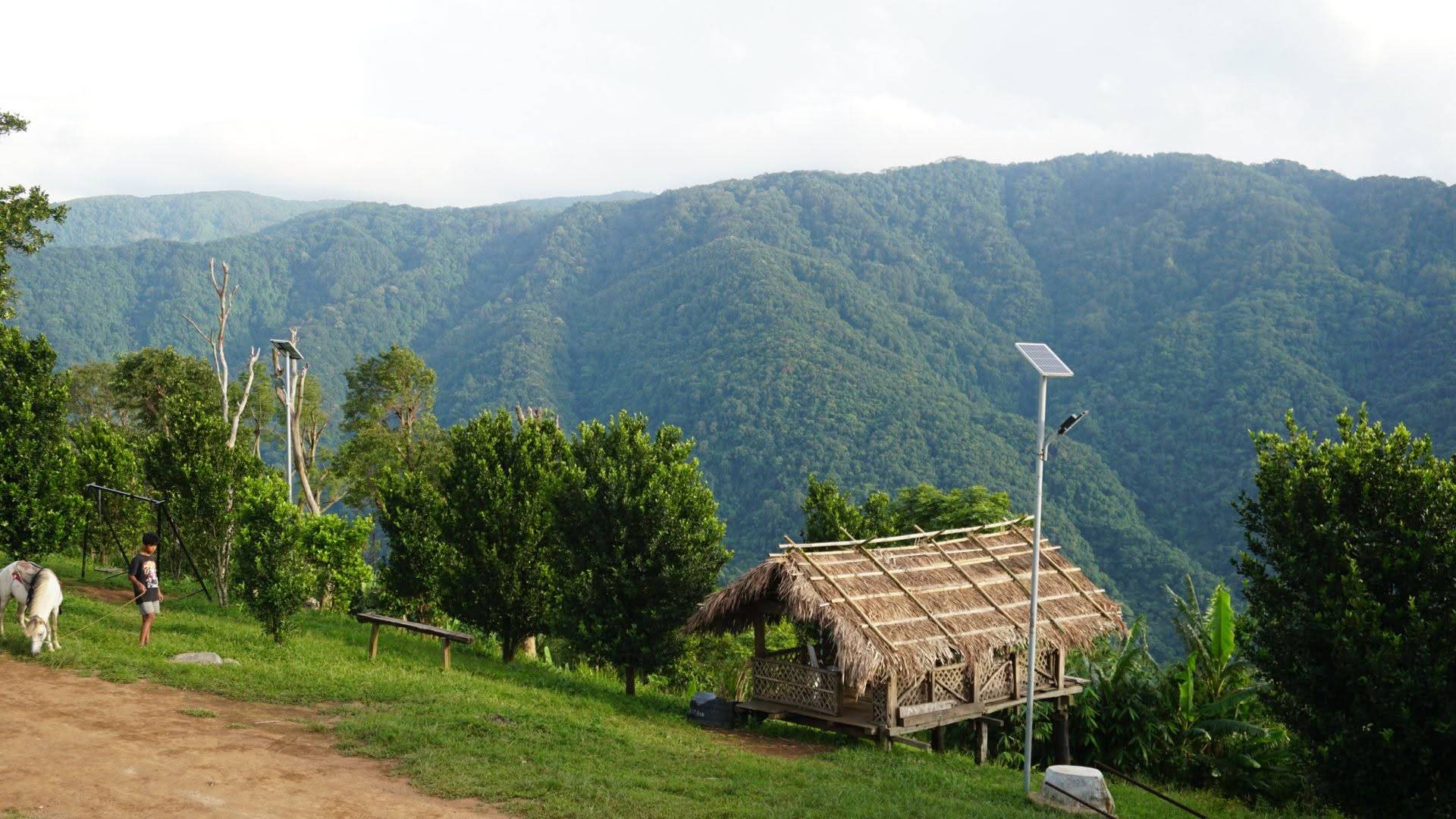
Darichikgre, located in West Garo Hills, is known for its views across the surrounding hills. The viewpoint is approximately 30 minutes from Tura. Visitors can include Darichikgre in an itinerary alongside nearby attractions or plan an evening visit to observe the landscape as daylight changes.
The area is also associated with the Meghalaya Strawberry Festival. Travellers interested in the festival should check the current dates and programme before visiting.
Darichikgre offers an option for visitors looking for a scenic excursion without undertaking a long trek. Its proximity to Tura also makes it suitable for travellers with limited time in the area.
Planning Your Visit
Garo Hills offers a range of activities, from trekking and river adventures to village visits, cave exploration and birdwatching. Travellers can plan their itinerary according to the time available and the destinations they wish to explore.
Distances between attractions can be considerable, and journey times depend on road conditions, weather and the starting point. It is advisable to group nearby destinations together rather than attempting to cover the entire region in a short trip.
A few considerations can help with planning:
Check weather conditions: Rainfall can affect roads, trails, waterfalls and river activities. Check local forecasts before travelling.
Arrange local guides: Trekking, cave exploration and river activities may require experienced local support.
Plan around seasonal experiences: Orange picking, festivals and birdwatching opportunities vary by season.
Respect local communities: Follow local customs and seek permission before photographing residents or visiting private property.
Travel responsibly: Avoid littering and follow local guidance to protect wildlife and natural habitats.
Travellers should also confirm accommodation, transport and access arrangements in advance, particularly when visiting remote areas or planning activities that require local assistance.
Make Garo Hills part of your next Meghalaya journey. Browse homestays in the Garo region to explore available stays while planning your trip.
From Wari Chora’s river canyon and the forests of Nokrek National Park to the waterfalls, caves and cultural traditions of the Garo people, Garo Hills offers a range of experiences for visitors to Meghalaya. Planning a trip around these activities provides opportunities to explore the region’s natural environment, learn about its communities and experience its cultural heritage.