
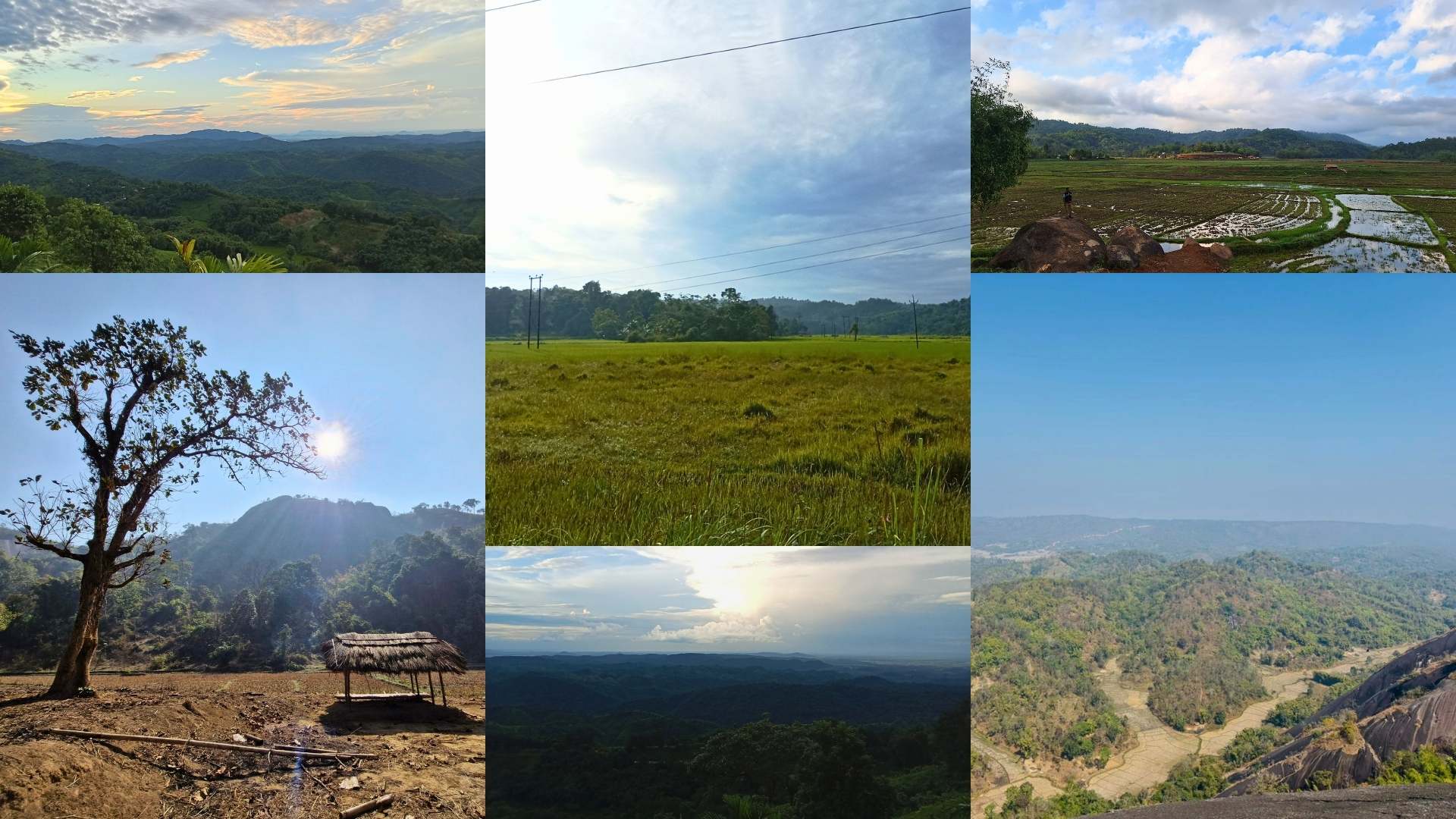
Deep inside Assam’s hills, Umswai Valley preserves sacred forests, Tiwa traditions, ancestral rituals and immersive community-based travel experiences.
Umswai Valley in West Karbi Anglong, Assam, is one of the lesser-known cultural landscapes of Northeast India where traditions continue to shape everyday life. Surrounded by forested hills, small villages, agricultural lands and sacred spaces, the valley is home to the Hill Tiwa tribe, one of the oldest indigenous communities of the region. Unlike destinations built around commercial tourism, Umswai offers something quieter and more rooted in community life. Visitors do not simply travel through the valley; they experience a living cultural system shaped by oral histories, animistic beliefs, ancestral rituals and a strong connection with nature.
The Cultural Identity of the Hill Tiwa Community
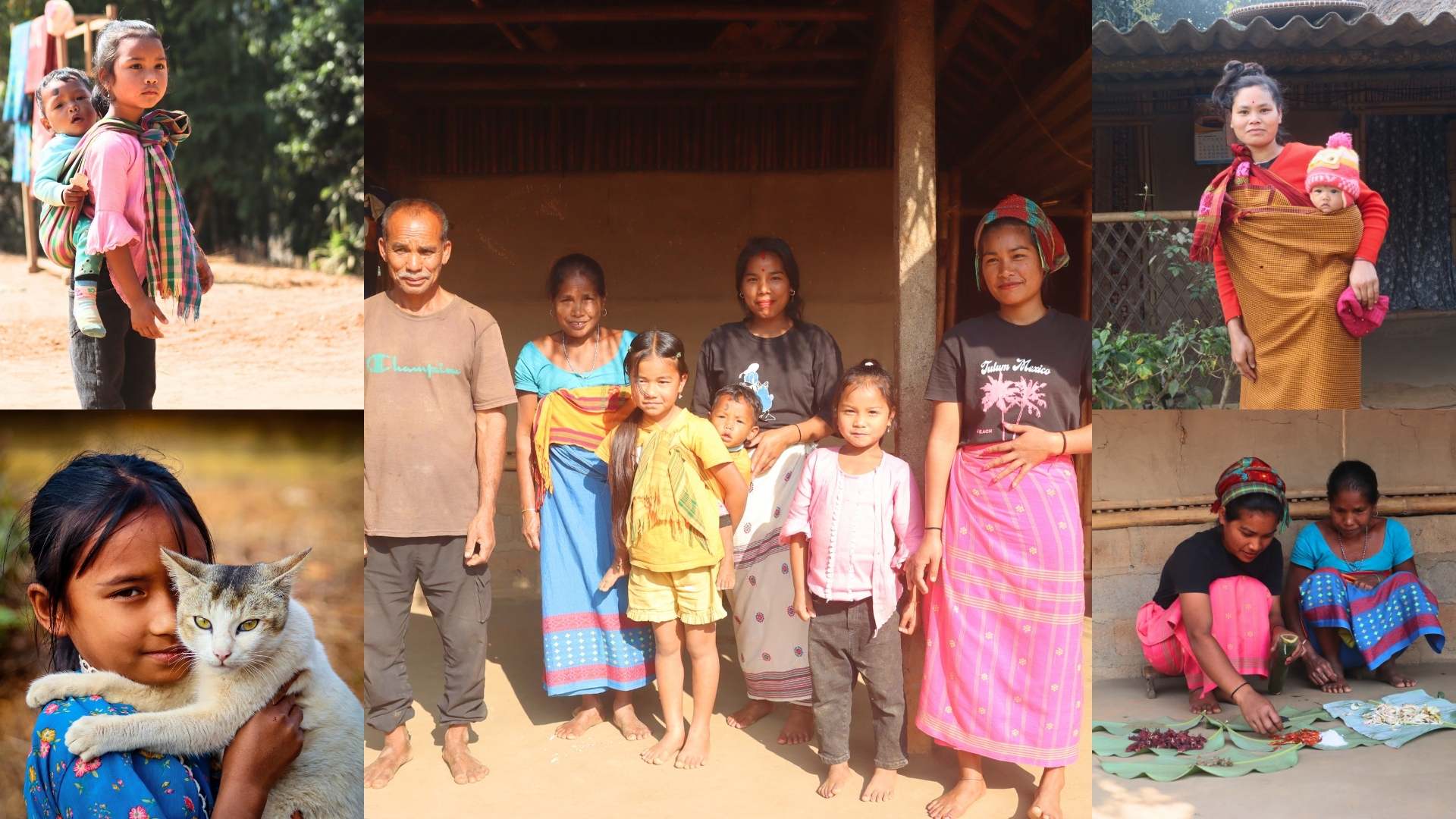
The cultural identity of Umswai is deeply tied to the Hill Tiwa people, historically known as Lalungs. According to local oral traditions, the Tiwas are believed to have migrated centuries ago from the Tibet region before settling across the hills and valleys of present-day Assam. The word “Tiwa” itself is associated with people who originated from water, reflecting the community’s spiritual relationship with rivers, forests and the surrounding environment.
The Hill Tiwa community continues to preserve a traditional social structure that combines indigenous governance systems, spiritual leadership and strong community participation. Villages are guided by traditional chiefs known as “Loro,” who oversee administrative, judicial and ritual responsibilities. In several households, traces of matrilocal traditions still exist, where the husband moves into the wife’s household after marriage, although these practices are gradually evolving with time.
Religion in Umswai exists in a layered and deeply localized form. While Christianity has influenced parts of the community, many Hill Tiwa families continue to follow animistic traditions centered around ancestral worship, sacred landscapes, local deities and seasonal rituals. This coexistence between older belief systems and modern influences makes Umswai culturally significant within Assam’s indigenous heritage landscape.
Chongkhongsal Sacred Forest and the Ancient Monoliths
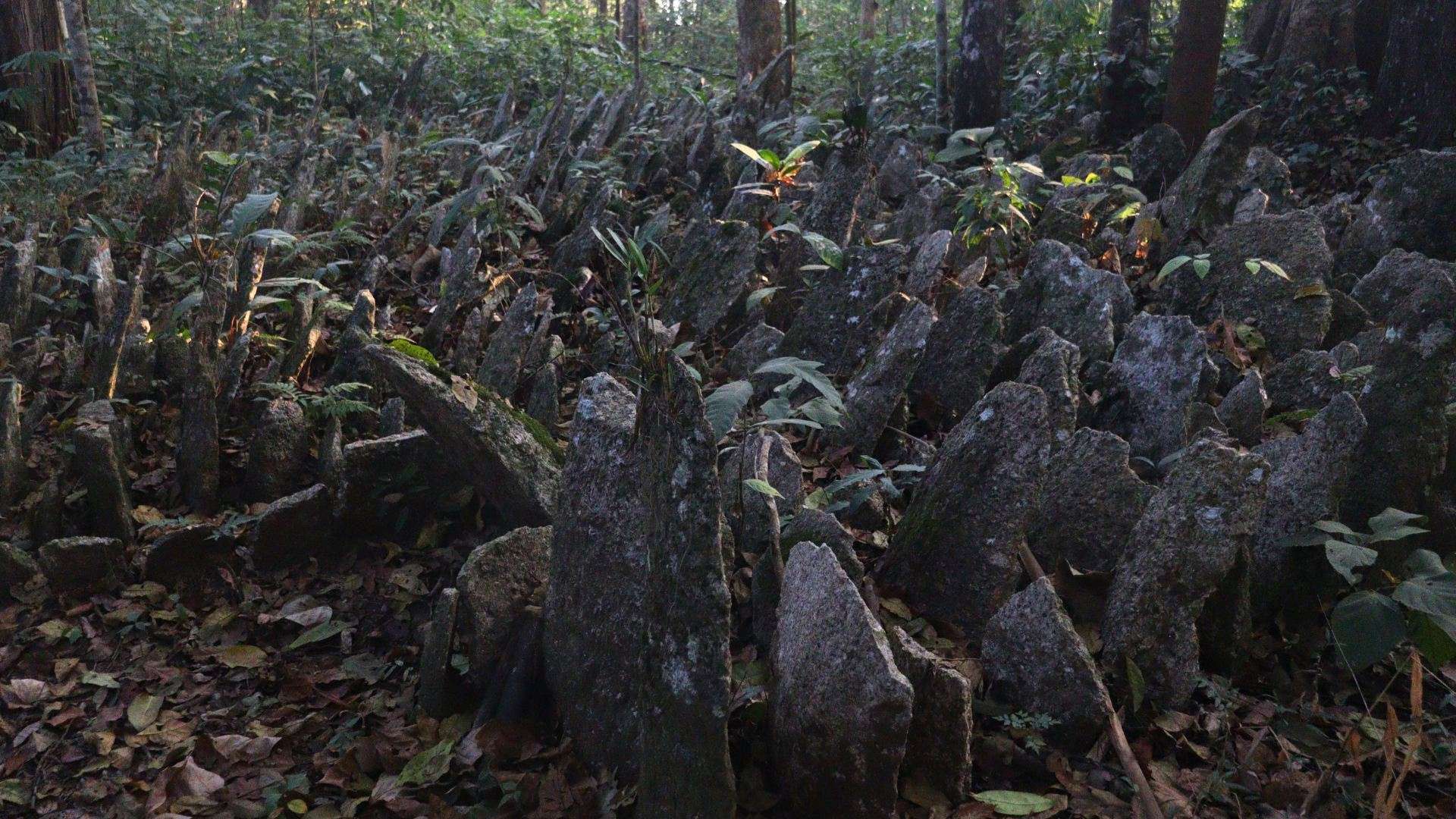
Among the most culturally important places in Umswai Valley is the sacred forest of Chongkhongsal. The forest is not viewed simply as a natural area but as a spiritual landscape connected to ancestors, rituals, and community memory. Religious leaders from nearby villages visit the forest multiple times every year to conduct prayers for prosperity, peace and collective well-being.
Inside the forest stand ancient stone monoliths that represent the ancestors of the Tiwa people. Every year, during ancestral ceremonies, new monoliths are erected in memory of departed ancestors, continuing a tradition believed to be more than 2,500 years old. These monoliths are not treated as archaeological remains but as active symbols of lineage, continuity and spiritual connection between generations.
The forest also carries stories that reveal the complex relationship between belief, fear and ritual in older Tiwa society. Local accounts speak of a sacrificial tree believed to have been used for human sacrifices in earlier centuries, with the last recorded incident said to have taken place in 1832. Today, the site has transformed into a place where visitors can walk through forest trails while listening to local folklore and oral histories shared by community members.
What makes Chongkhongsal particularly important is the way conservation naturally exists within spiritual practice. Visitors are not allowed to remove plants, herbs or forest resources because the forest itself is considered sacred. This traditional approach to conservation reflects how indigenous belief systems have historically protected biodiversity long before modern environmental frameworks emerged.
The Sacred Samadhi and Stories of Collective Memory
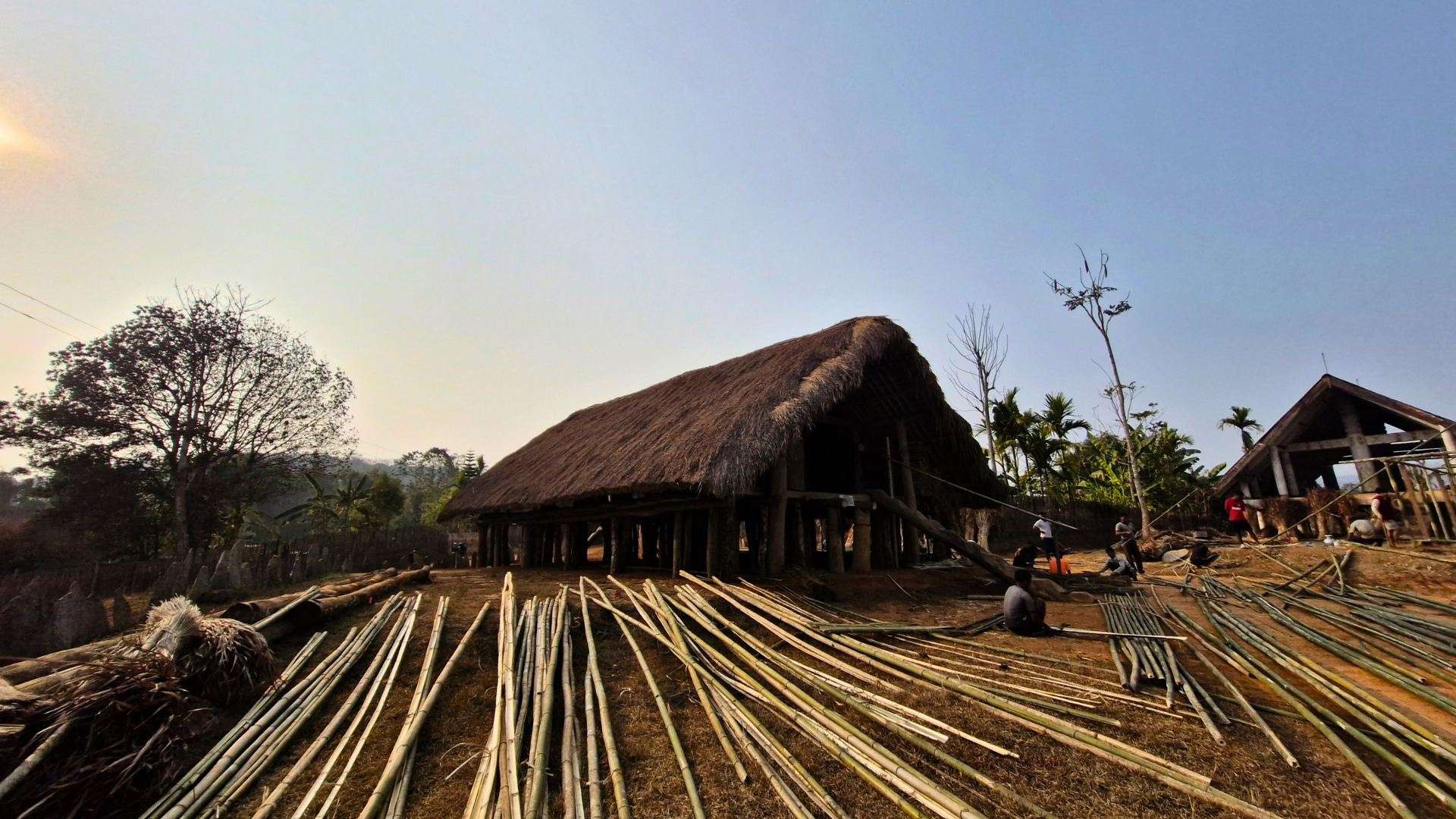
The Sacred Samadhi is another culturally important institution within Umswai Valley. Functioning as a traditional assembly space, it serves as the center for village discussions, community decisions and ceremonial gatherings. Even today, the Samadhi remains connected to indigenous systems of governance and social organization.
The structure is also linked to one of the most significant oral stories of the valley. According to local folklore from the Goba Dynasty period, six men and six women were chosen as warriors to protect the kingdom. Unable to bear the weight of their responsibilities, they decided to sacrifice themselves together by jumping into a lake while tied with a rope. One individual eventually survived after cutting the rope, while the others died. The story continues to shape cultural customs associated with the Samadhi, including the long-standing tradition that women do not enter the sacred structure.
Such stories are central to understanding Umswai because the valley’s history is preserved less through written archives and more through oral memory, ritual spaces and inherited traditions passed between generations.
Balakhangor and the Spiritual Landscape of the Valley
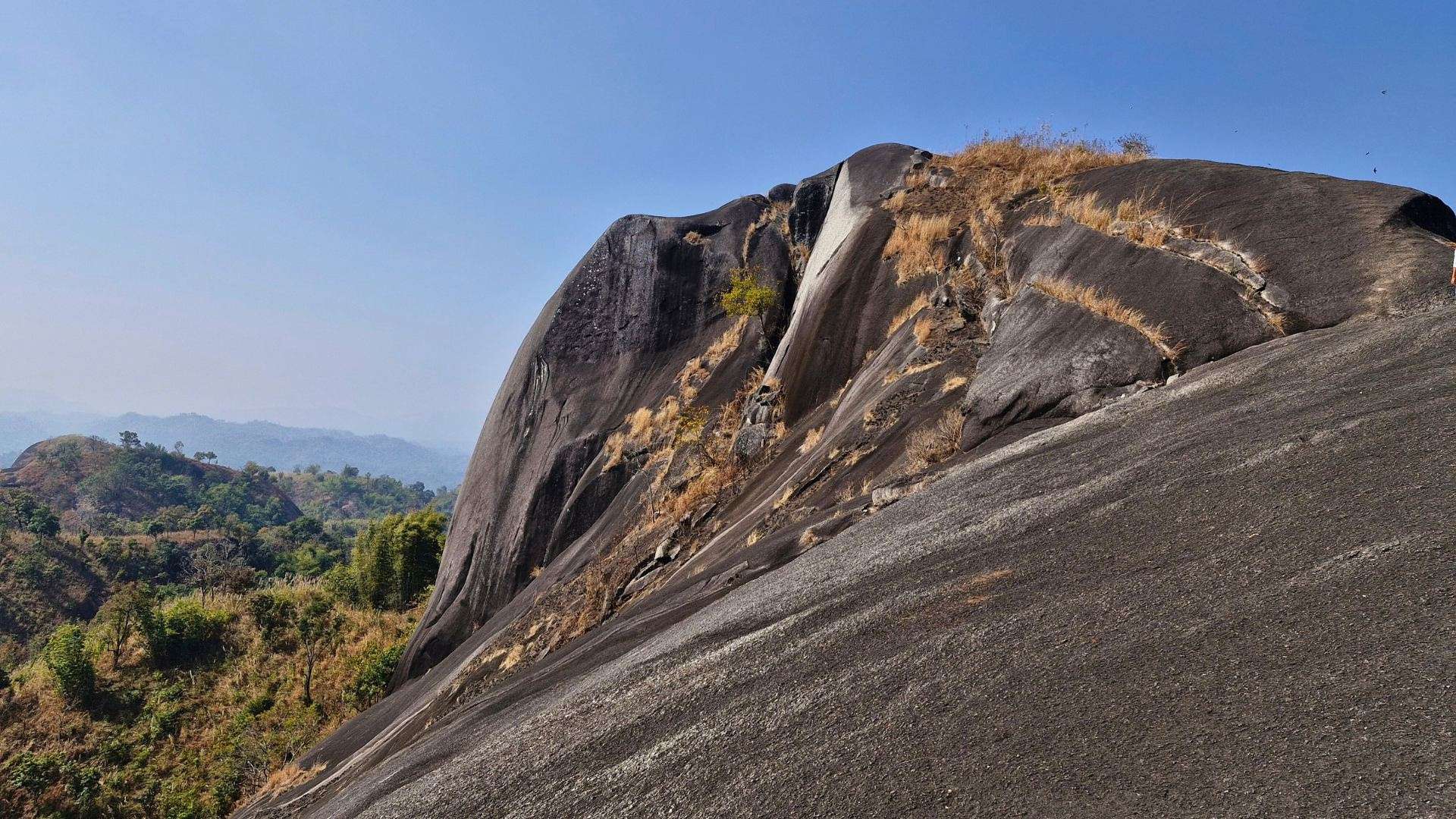
The spiritual geography of Umswai extends beyond forests into mountains, temples, and sacred sites connected to local deities. One of the most important among them is the temple dedicated to Balakhangor, the guardian deity of the village. Inside the temple, a sacred throne-like structure known as “Rongdoh” is believed to house the deity. Ritual offerings of rice, water and harvested paddy are preserved within the temple throughout the year before being ceremonially replaced during harvest festivals.
The connection between spirituality and landscape becomes even more visible at Balakhangor Rock Mountain, a sacred trekking site located above the valley. Reaching the summit requires a forest trek of nearly three hours, but the journey itself forms part of the experience. At the top, the open rock surface overlooks valleys, forests and scattered villages across the hills of West Karbi Anglong.
Unlike adventure tourism destinations built around infrastructure and commercialization, trekking in Umswai remains closely connected to silence, storytelling and the cultural significance of the land itself. The mountain is not only scenic; it is spiritually meaningful for the community that lives around it.
Daily Life, Food Culture and Traditional Livelihoods
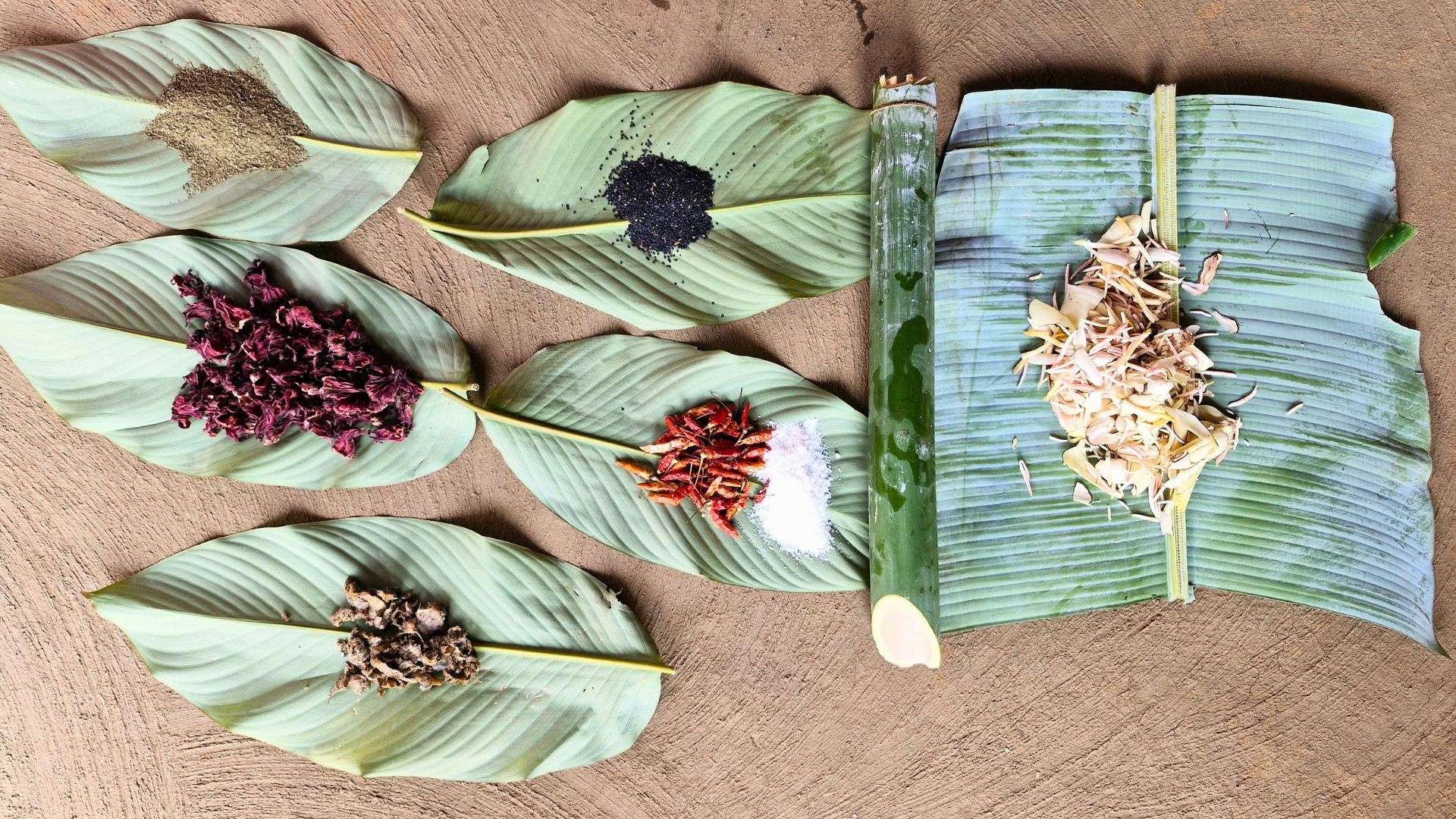
Life in Umswai Valley continues to revolve around agriculture, forest resources, and local craftsmanship. Rice, ginger, potatoes, vegetables and broom grass are widely cultivated across the valley, while bamboo handicrafts and handloom weaving continue as important parts of household livelihoods. Some families also produce smoked green tea and practice silkworm rearing.
Food culture in Umswai reflects simplicity and local adaptation. Rice and millet form the center of most meals, accompanied by seasonal vegetables, dry fish and meat. One of the distinct culinary traditions of the valley is bamboo cooking, where food is slow-cooked inside bamboo tubes over firewood, creating a smoky flavor closely associated with the region. Cooking is often done on traditional firewood stoves, reinforcing how everyday practices remain connected to inherited traditions.
For travelers, these experiences create opportunities for deeper cultural interaction rather than surface-level tourism. Visitors can participate in farming, traditional cooking, weaving demonstrations, tea experiences, folklore sessions, rice beer tasting and local music gatherings.
Why Umswai Valley Has Strong
Potential for Sustainable Tourism
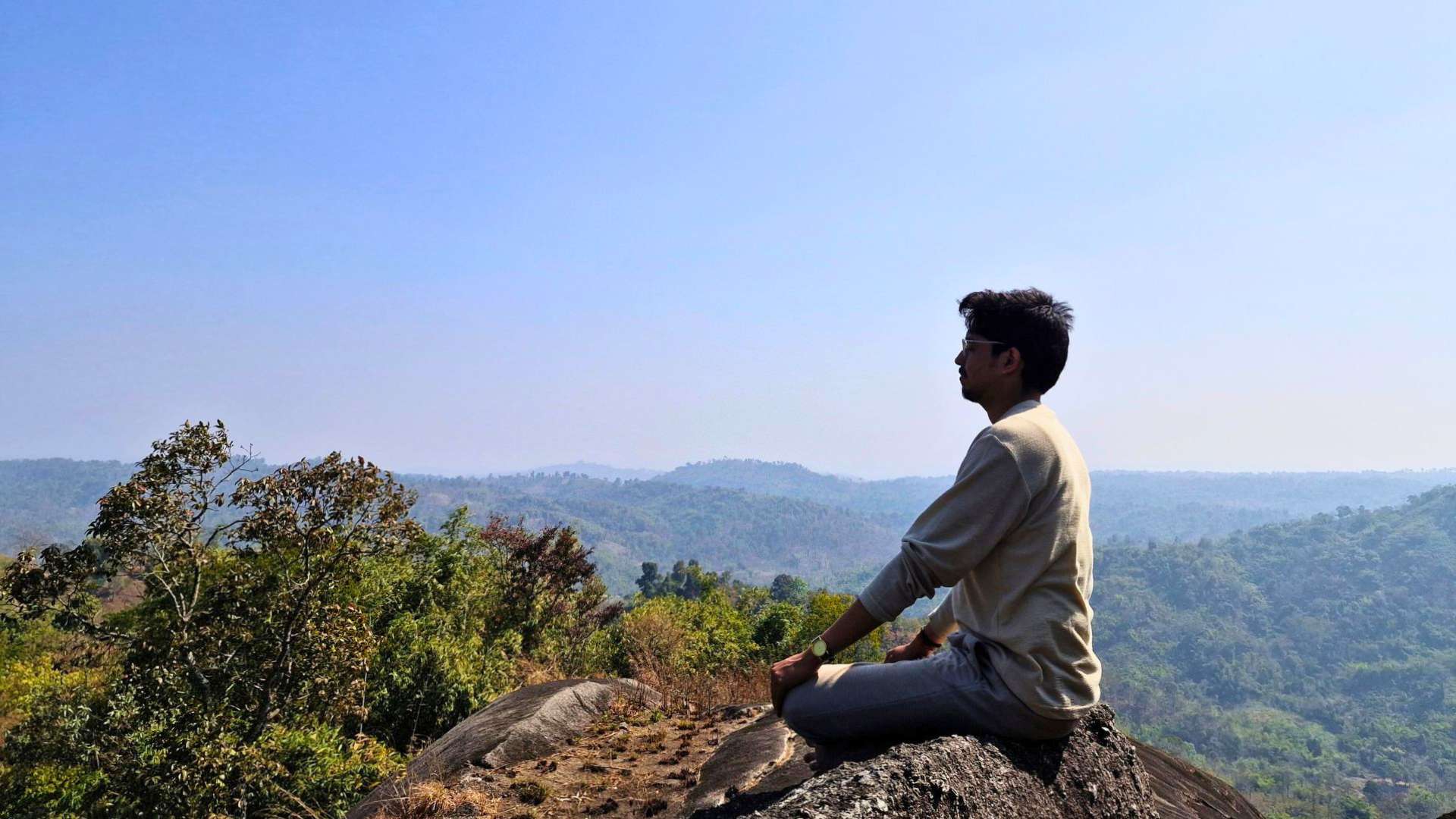
As travelers increasingly seek meaningful and community-led experiences, Umswai Valley has strong potential as a sustainable tourism destination in Assam. The valley brings together sacred forests, indigenous Tiwa culture, trekking routes, oral storytelling traditions and immersive village experiences within one landscape.
Unlike many growing destinations, Umswai still remains deeply community-centered and free from large-scale commercialization. This creates opportunities for responsible tourism that supports local livelihoods while preserving cultural traditions and ecological balance.
The future of tourism in Umswai will depend on maintaining this balance carefully through community participation, cultural preservation and sustainable homestay development. If developed responsibly, Umswai Valley could emerge as one of Assam’s most important examples of indigenous community tourism.

For travelers looking to experience Umswai Valley closely, staying within the village becomes an important part of the journey. Pumah Eco Homestay, located in Amsai Pinung village of Umswai, offers visitors an opportunity to experience the Hill Tiwa way of life through local food, storytelling, sacred forest walks and everyday village experiences.
More than just a stay, the homestay allows travelers to connect with the culture and traditions that make Umswai Valley one of Assam’s most unique emerging destinations.
Connect with the Tiwa community through a stay at Pumah Eco Homestay.