
A Hidden Village in Sham Valley Called Wanla
Things to Do in One Day
Explore Wanla, a historic Sham Valley village where medieval temples, fortress ruins, apricot orchards, riverside trails, traditional farming and authentic Ladakhi hospitality create an unforgettable cultural experience year-round.
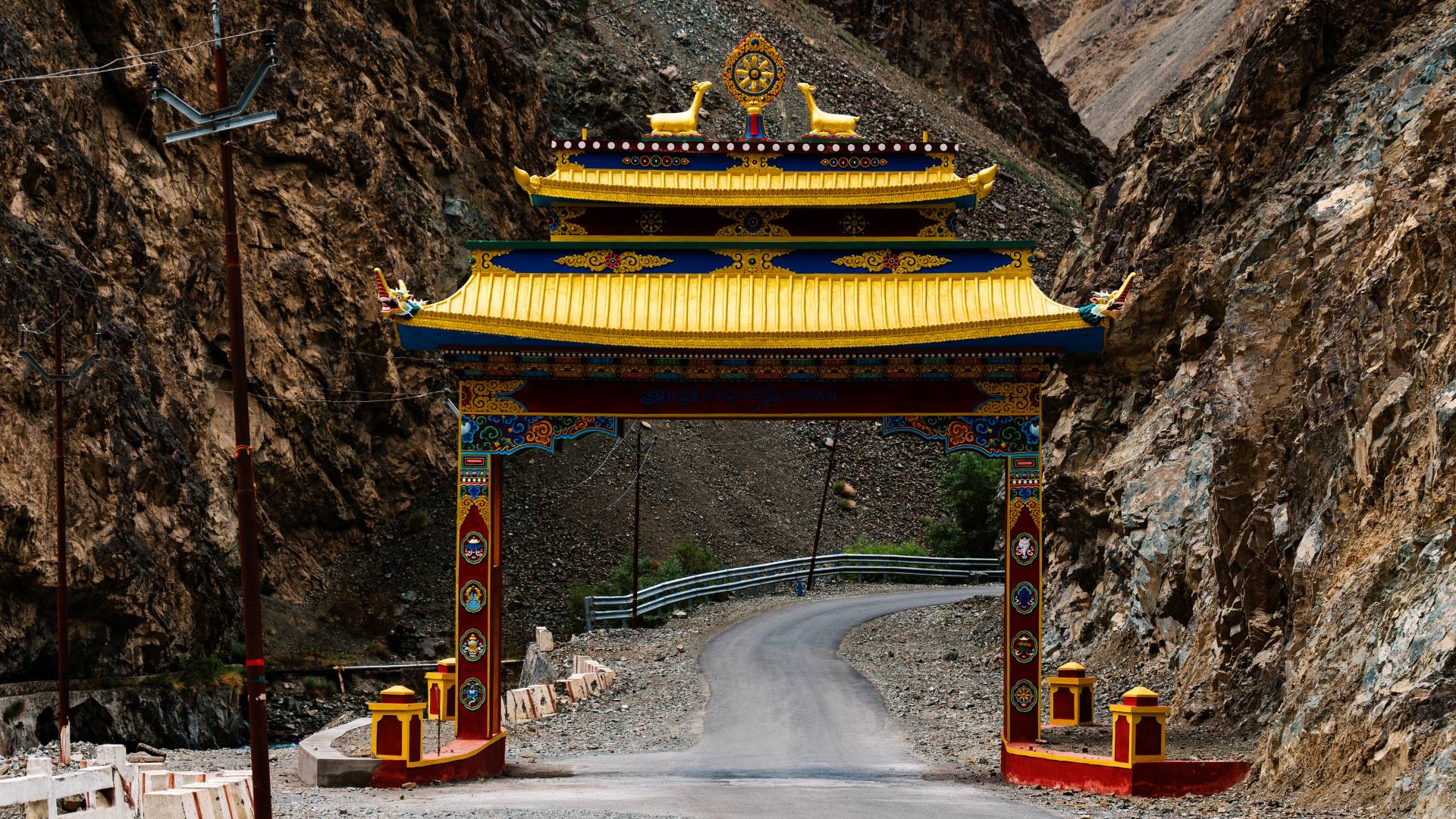
Every spring, Sham Valley draws visitors with its spectacular apricot blossoms, as villages like Skurbuchan, Hemis Shukpachan and Wanla are transformed into shades of white and pale pink. While the blossom season is undoubtedly beautiful, it represents only one chapter of the valley’s rich cultural and historical story.
Located about 120 km from Leh on the historic Leh–Lamayuru–Padum route, Wanla has been an important settlement for centuries. Nestled along the Yapola River, the village blends medieval history, Buddhist heritage and traditional Ladakhi life within a landscape that is easy to explore on foot.
Home to the remarkable Three-Storied Wanla Temple, Wanla also offers medieval fortress ruins, the historic P Bago Iron Ore Cave, natural hot springs, scenic village walks, birdwatching and seasonal apricot orchards. Whether you’re planning a day trip from Leh or an overnight stay before continuing to Lamayuru or Zanskar, Wanla offers a rewarding experience that extends far beyond the spring blossom season.
The Three-Storied Wanla Temple
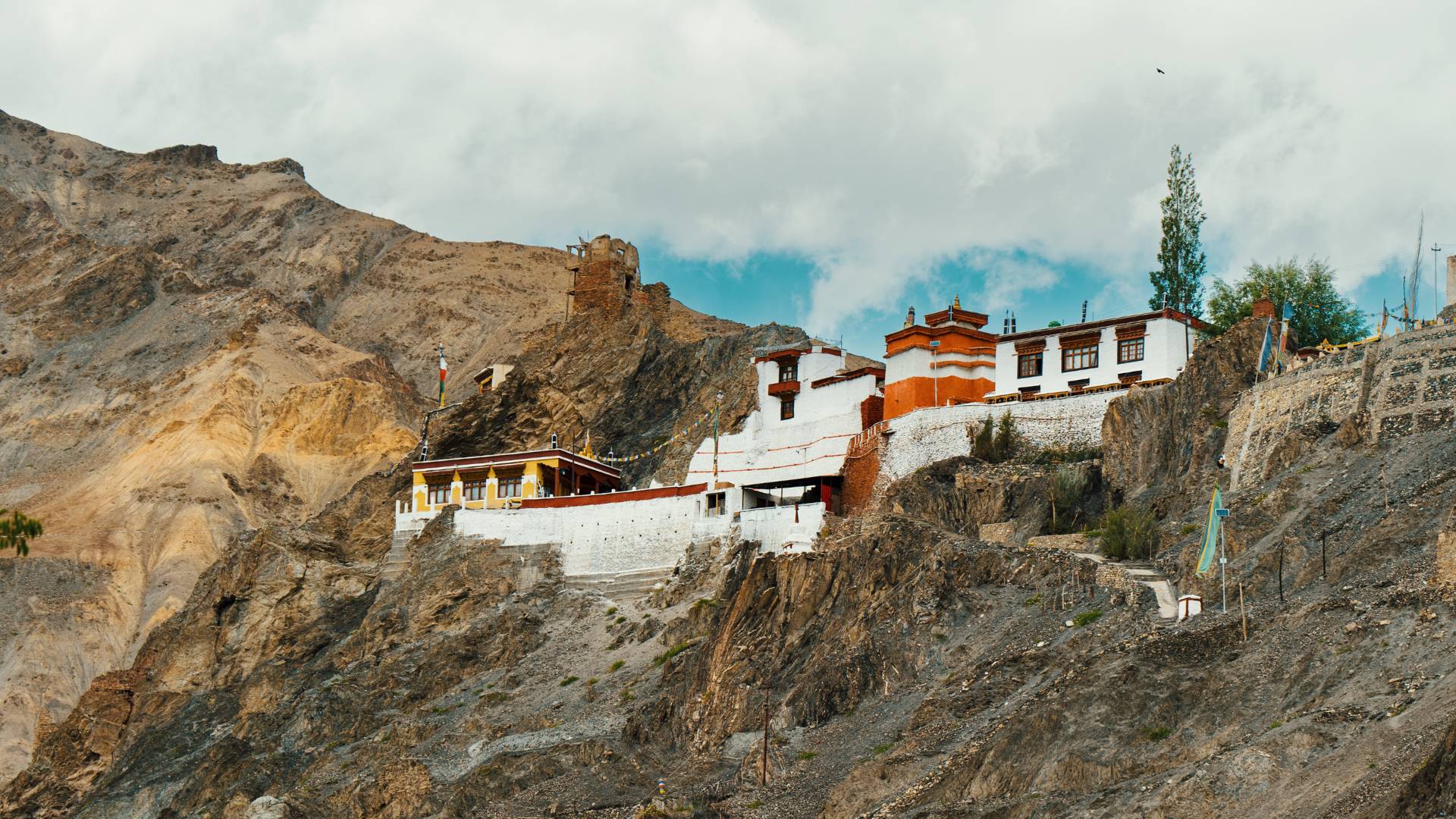
Begin your visit at the Three-Storied Wanla Temple, Wanla’s most significant historical and cultural landmark. Built in the early 14th century by the local ruler Bhak Darskya, it is one of the finest surviving Buddhist monuments in Ladakh. Perched on a rocky hill above the village, the temple offers sweeping views of the Yapola Valley and reflects Wanla’s medieval importance.
Belonging to the Drigung Kagyu school of Tibetan Buddhism, the temple is renowned for its beautifully preserved murals, timber architecture and the striking eleven-headed Avalokiteshvara, the Bodhisattva of Compassion. Its paintings also reveal strong Kashmiri and Central Tibetan artistic influences, making it an important site for understanding Ladakh’s Buddhist heritage.
Unlike many of the region’s larger monasteries, the temple remains relatively uncrowded, allowing visitors to appreciate its architecture, artwork and peaceful surroundings at a leisurely pace.
Suggested duration: 1–1.5 hours
Explore the Wanla Fortress Ruins
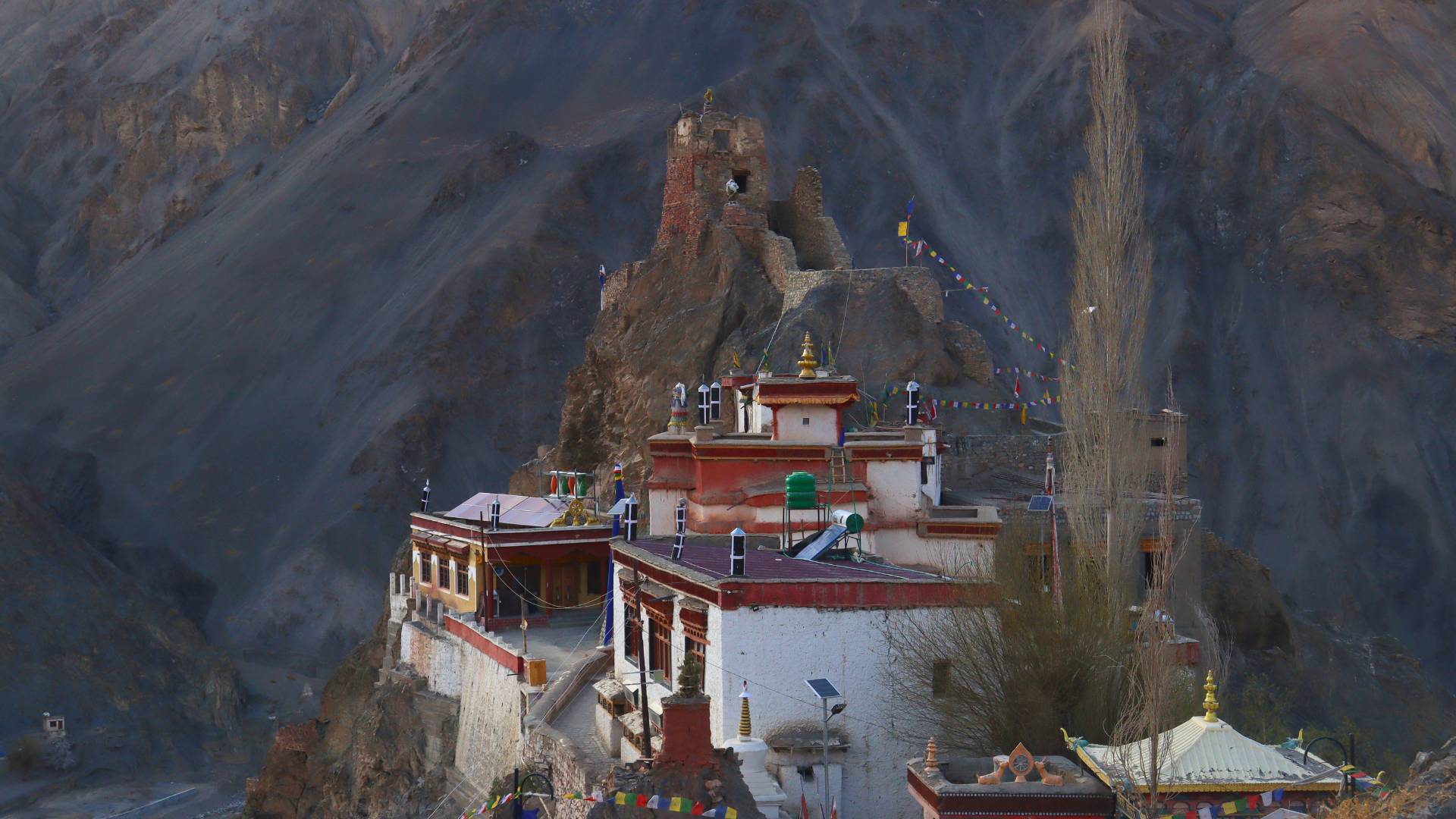
A short uphill walk from the Three-Storied Wanla Temple leads to the ruins of Wanla Khar, the village’s medieval fortress. Though only parts of the structure remain today, the site reflects Wanla’s strategic importance as a fortified settlement along the historic trade route connecting Ladakh with Kashmir and Zanskar.
The walk passes old stone pathways and opens up to sweeping views of traditional mud-brick houses, cultivated terraces and the Yapola River winding through the valley below. More than just a scenic viewpoint, the fortress offers insight into how defence, governance and religion shaped medieval life in Ladakh. Its elevated location also makes it one of the best spots in Wanla for photography and appreciating the village’s dramatic landscape.
Suggested duration: 30–45 minutes
Visit the Wanla Longpo Statue
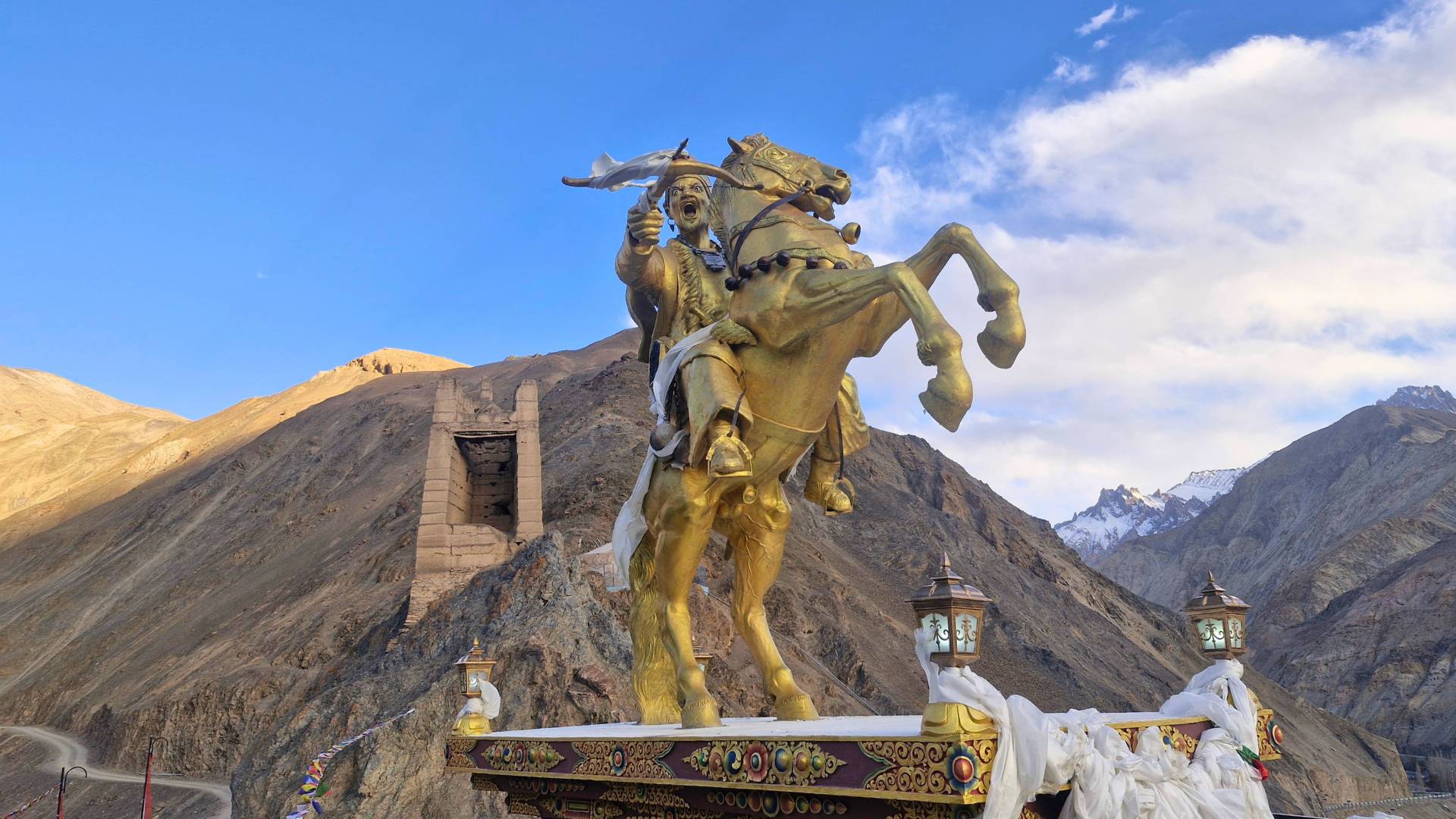
Continue your walk to the Wanla Longpo Statue, located near the monastery. The statue honours Wanla Longpo, a respected figure in local history remembered for his leadership and contribution to the village. While often overlooked by visitors, it offers a deeper understanding of Wanla’s cultural heritage beyond its temples and monuments.
The viewpoint provides sweeping views of the village, with traditional mud-brick houses, cultivated fields and the Yapola River stretching across the valley. It is also an excellent spot to admire the Three-Storied Wanla Temple and the surrounding Himalayan landscape, particularly during the soft light of early morning or late afternoon.
Suggested duration: 20–30 minutes
Explore the P Bago Iron Ore Cave
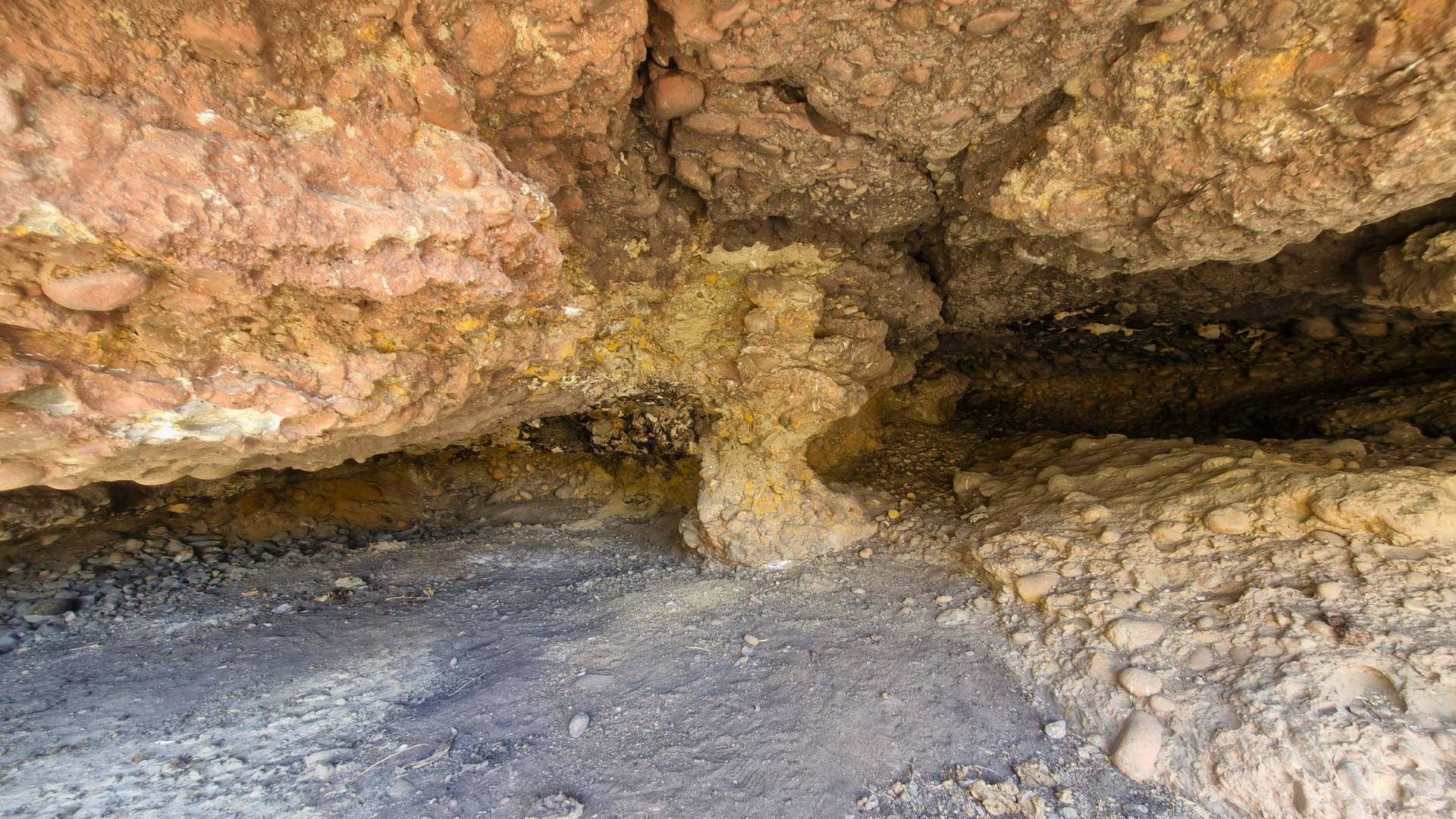
Beyond its Buddhist heritage, Wanla also preserves an important chapter of Ladakh’s industrial history. The P Bago Iron Ore Cave stands as evidence of the village’s traditional iron-mining and smelting practices, which once played a significant role in the local economy. Historical records suggest that iron ore was extracted from these hills, while nearby forests supplied the wood needed to fuel the furnaces.
A visit to the cave offers a different perspective on Wanla, highlighting the region’s economic history alongside its religious heritage. The scenic walk to the site passes through open mountain landscapes, making it an enjoyable experience for those interested in history, light hiking and the lesser-known stories of Ladakh.
Suggested duration: 1–1.5 hours
Visit the Natural Hot Springs
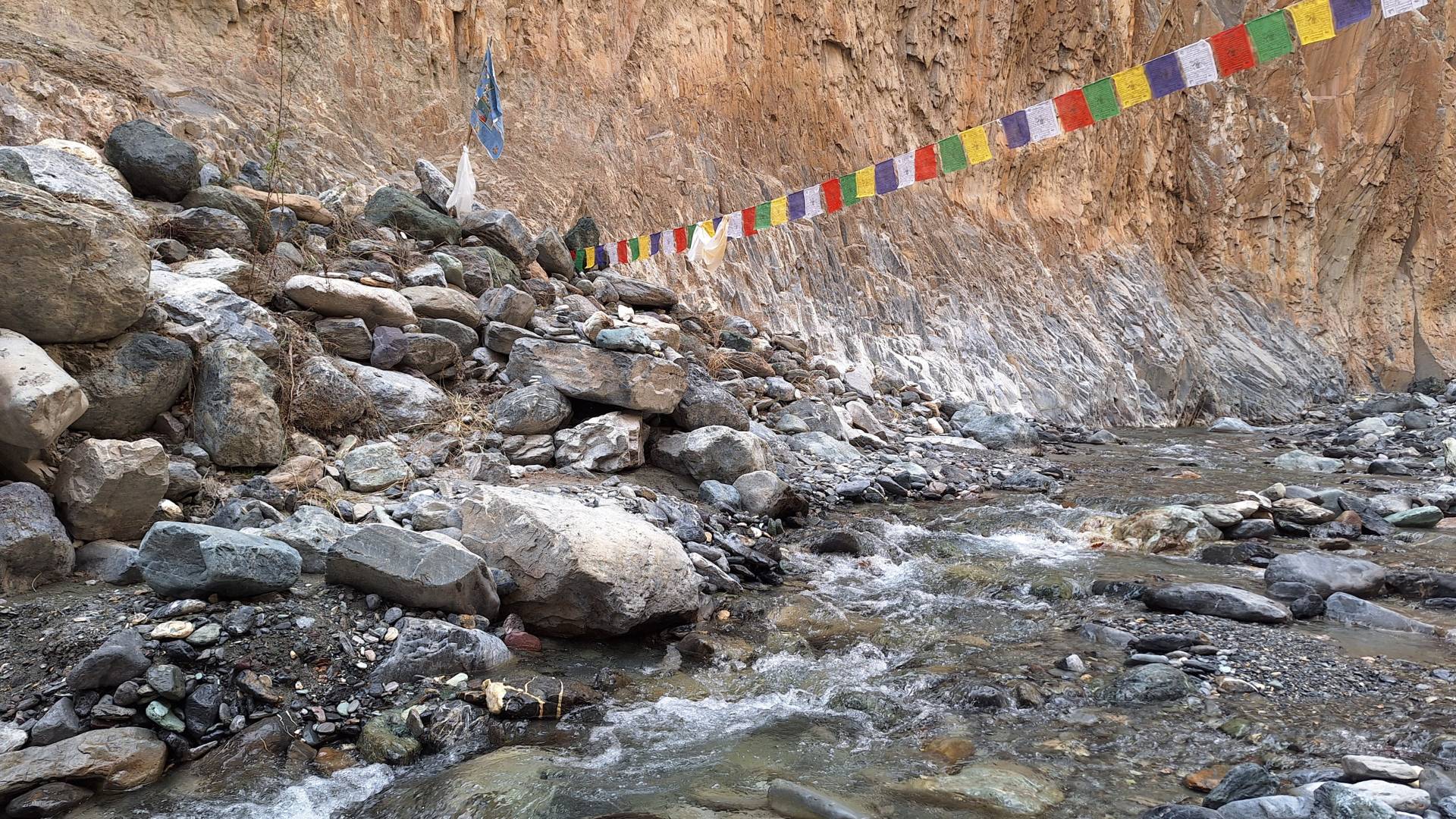
A short drive from Wanla leads to its natural hot springs, one of Sham Valley’s lesser-known attractions. Rich in naturally occurring sulphur, these springs have been used by local communities for generations and offer a peaceful retreat amid the rugged Himalayan landscape.
Surrounded by barren mountains, the hot springs provide a refreshing contrast to Wanla’s historical landmarks. Many travellers combine a visit here with the Three-Storied Wanla Temple and nearby villages such as Lamayuru and Hemis Shukpachan, making it a worthwhile stop while exploring the region.
Suggested duration: 30–45 minutes
The Apricot Orchards (Seasonal)
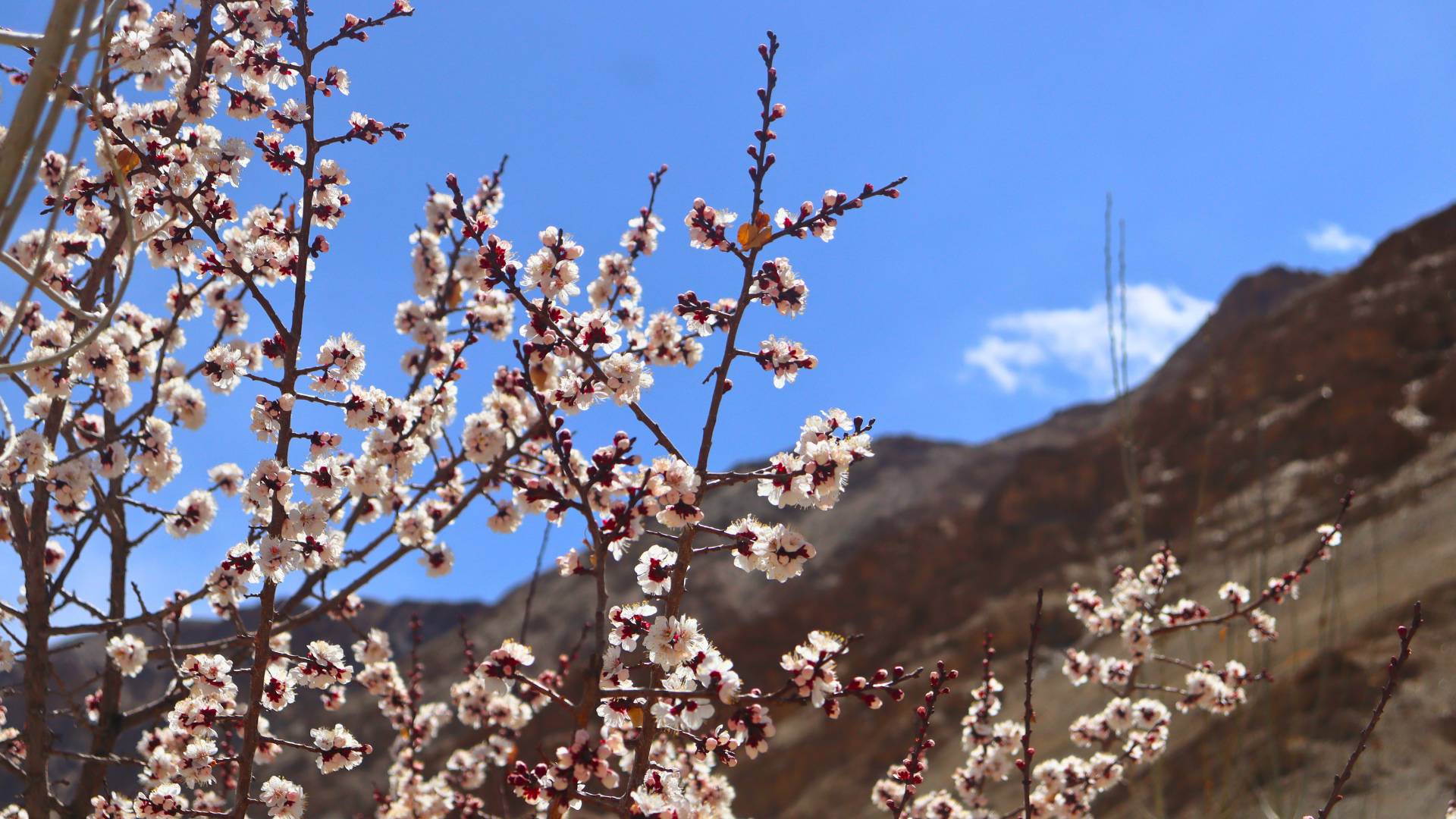
If you’re visiting Wanla during spring, a walk through its apricot orchards is an experience not to miss. Blooming in shades of white and pale pink, the orchards transform the village into one of Sham Valley’s most picturesque landscapes. Beyond their seasonal beauty, they offer a glimpse into traditional Ladakhi farming, ancient irrigation channels and the agricultural practices that have sustained local families for generations.
As the season progresses, the blossoms give way to fresh apricots, many of which are turned into dried fruit, jams, juices and apricot kernel products, making the orchards an enduring part of Wanla’s cultural and economic life.
Birdwatching Along the Yapola River
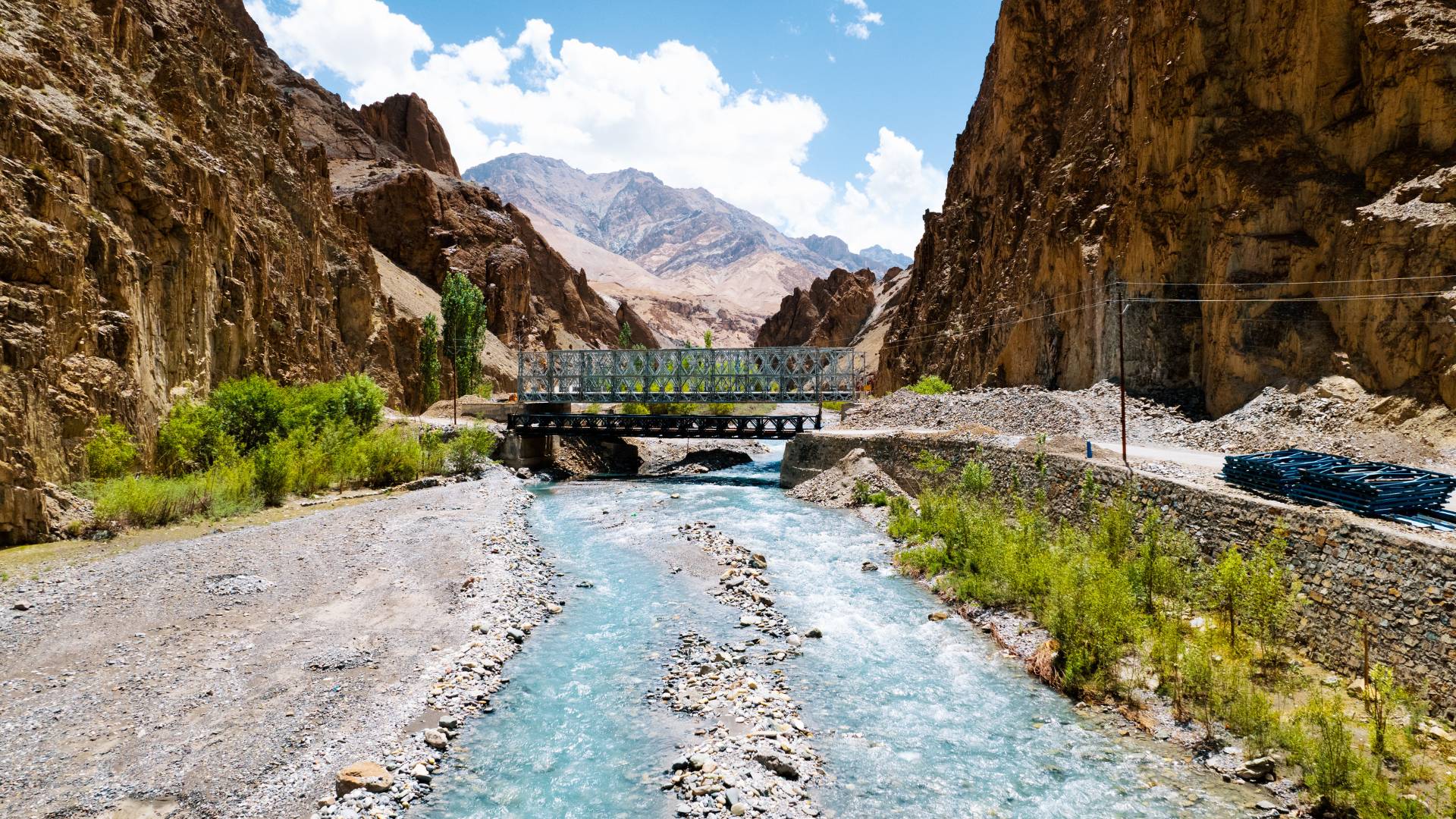
The Yapola River and its surrounding fields provide an ideal habitat for a variety of Himalayan bird species. Early mornings and late afternoons offer the best opportunities to spot birds such as the White-capped Redstart, Brown Dipper, White Wagtail, Chukar Partridge, Common Kestrel, Golden Eagle and the Himalayan Griffon.
Beyond birdwatching, the riverside trails offer peaceful walks through Wanla’s natural landscape, making this a rewarding experience for nature lovers, wildlife photographers and anyone looking to explore a quieter side of the village.
Suggested duration: 30–45 minutes
Experience Traditional Farming
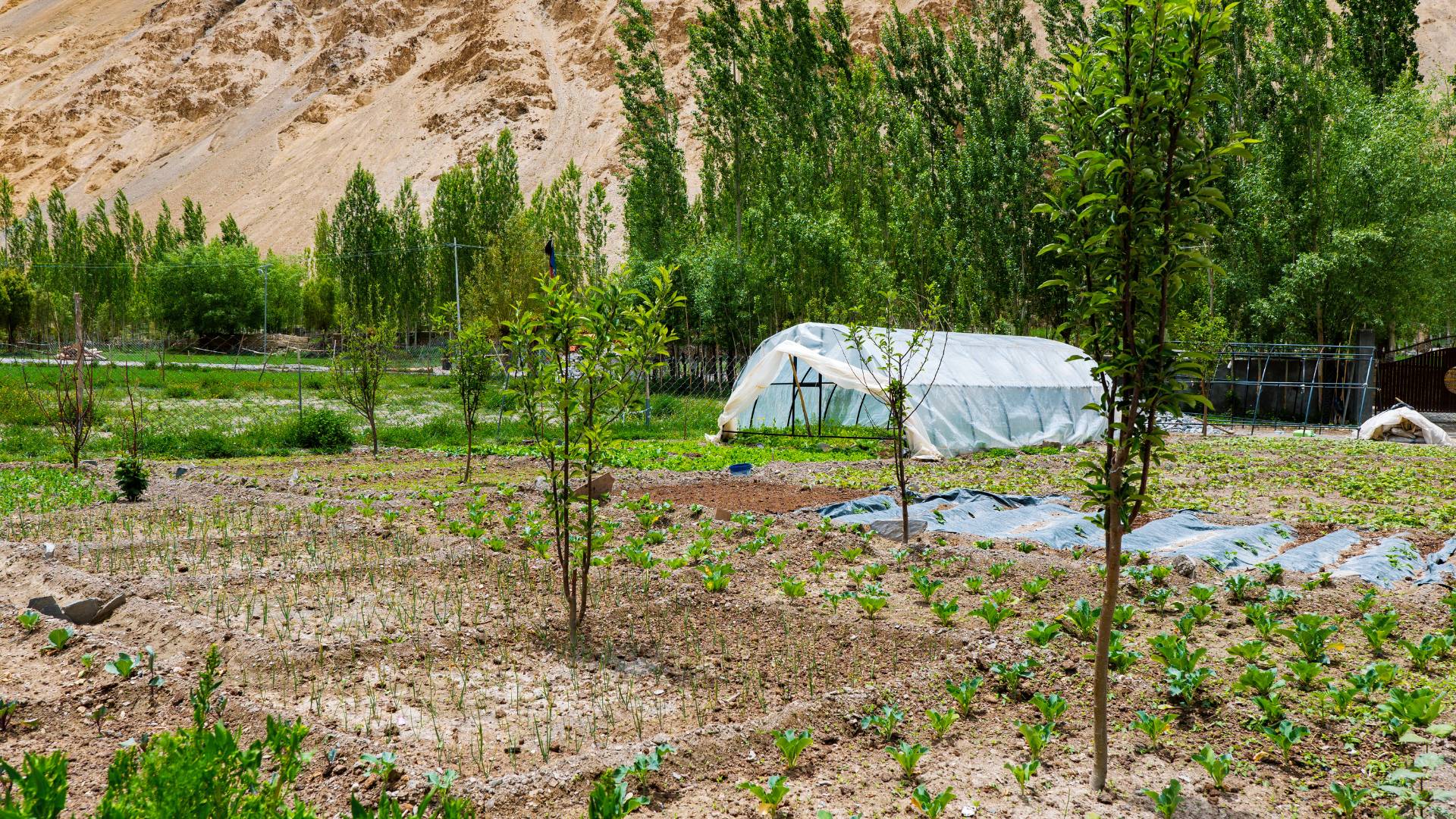
Agriculture remains at the heart of life in Wanla, with farming practices passed down through generations. Depending on the season, visitors may have the opportunity to join local families in activities such as sowing, irrigation, harvesting and caring for livestock, offering an authentic glimpse into rural Ladakhi life.
The village’s fields, nourished by centuries-old irrigation channels carrying snowmelt from the surrounding mountains, demonstrate how communities have adapted to farming in one of the world’s highest cold deserts. For those seeking meaningful cultural experiences, participating in these daily activities provides a deeper connection to Wanla beyond its historical landmarks.
Walk Through the Village
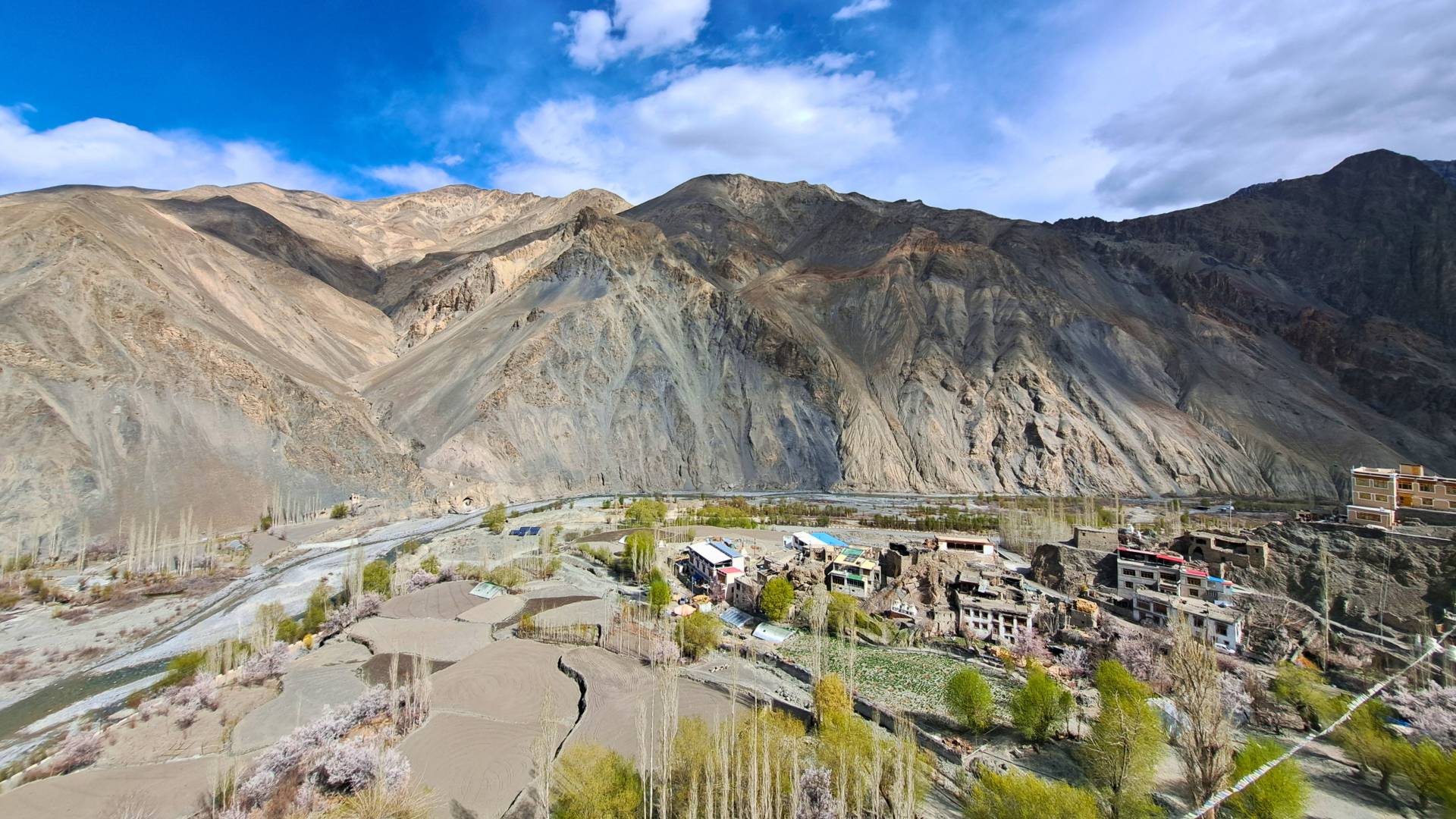
One of the simplest yet most rewarding experiences in Wanla is to walk through the village without a fixed itinerary.
Traditional mud-brick houses, narrow pathways, prayer walls, chortens, cultivated fields and centuries-old irrigation channels form much of Wanla’s landscape. Unlike larger tourist destinations in Ladakh, the village has retained much of its traditional character. Walking through Wanla also provides opportunities to meet local residents, observe everyday routines and understand how village life continues around agriculture, religion and community traditions.
The slower pace of the village makes it easy to spend an hour simply exploring its streets and appreciating its setting beneath the historic temple and fortress.
Where to Stay in Wanla
An overnight stay in Wanla offers the opportunity to experience the village beyond its historical landmarks. As day visitors continue towards Lamayuru or Zanskar, Wanla settles into a quieter rhythm, making it the perfect time to explore its peaceful surroundings and observe everyday village life.
Wanla Eco Residence
Set beside the Yapola River, Wanla Eco Residence offers private rooms with attached bathrooms, solar-heated hot water and scenic views of the surrounding mountains and farmlands. Its convenient location makes it an excellent base for exploring the Three-Storied Wanla Temple, Wanla Fortress, the P Bago Iron Ore Cave and the village’s natural hot springs.
Modern riverside stay with comfortable rooms, mountain views and easy access to Wanla’s historic attractions.

Why Visit Wanla?
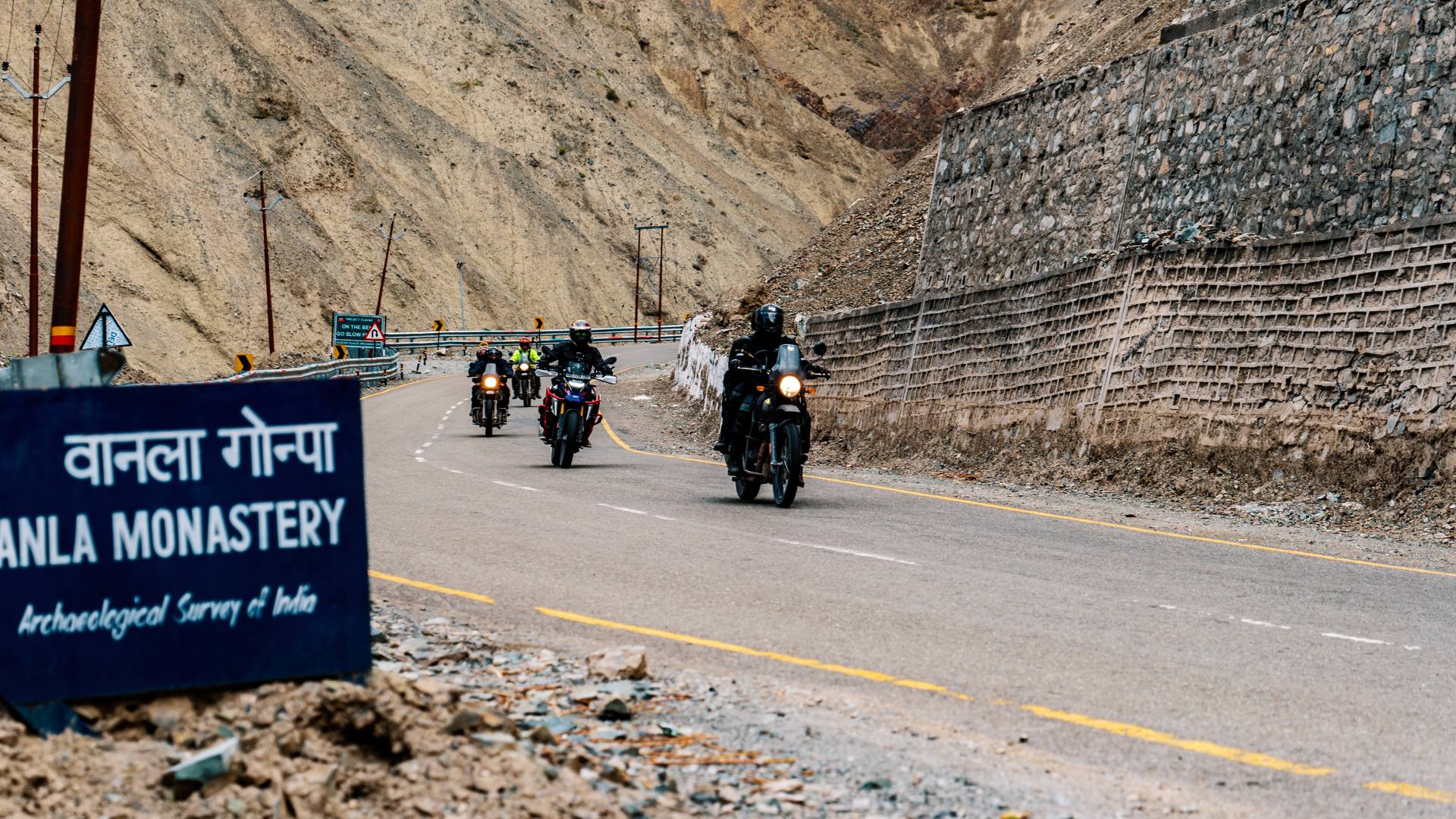
While Sham Valley is often celebrated for its apricot blossoms and nearby attractions like Lamayuru, Wanla offers a richer and more immersive experience. Here, centuries-old Buddhist heritage, medieval history, traditional farming and everyday village life come together within a single destination.
From exploring the remarkable Three-Storied Wanla Temple and the ruins of Wanla Khar to discovering the P Bago Iron Ore Cave, walking through apricot orchards, birdwatching along the Yapola River and experiencing authentic Ladakhi hospitality, Wanla reveals a side of Ladakh that many travellers overlook.
Whether you’re planning a day trip from Leh or an overnight stay on the route to Zanskar, Wanla promises a deeper connection with the history, culture and landscapes that define Sham Valley. It is not just a place to visit but a village to experience.
FAQ's
1. How far is Wanla Eco Residence from Leh?
Wanla Eco Residence is located around 120 km from Leh, on the historic Leh–Zanskar route via Sham Valley and takes approximately 2.5–3 hours to reach by road.
2. What is included in the stay?
The price includes breakfast and dinner, a clean room with basic amenities, complimentary tea and extra blankets and quilts. Lunch, snacks, extra activities and transportation to the village are available on request but not included.
3. What kind of bathroom facilities are available?
Rooms have attached washrooms with hot and cold water, heated by a solar water heater. In summer, guests use a western-style toilet; in winter, the homestay switches to a traditional dry/compost toilet system as part of its sustainable living practices.
4. Is the homestay open during winter?
Yes, Wanla Eco Residence is open throughout the year, including the winter months, with heaters provided in guest rooms during colder periods.
5. What activities can guests do near the homestay?
Guests can visit the historic Wanla Monastery, hike to the P Bago Iron Ore Cave, walk to the natural hot springs, see the Wanla Longpo Statue and join the host family for farming, spinning, cooking and traditional wood carving.
6. What kind of food is served at the homestay?
Meals are home-cooked by the host family using local and farm-fresh ingredients, including Ladakhi dishes like Khambir, Momos and Thukpa. Guests can also join cooking sessions to learn traditional food preparation.
7. Does mobile network work in Wanla village?
Only BSNL and Jio SIM networks function reliably in the village, so travellers on other networks should plan accordingly.
8. Who hosts the stay, and what languages do they speak?
The homestay is run by Yangchan Dolma and her husband, a local Ladakhi family skilled in traditional cooking, farming and spinning. They speak Ladakhi and Hindi.