
Where the Journey Begins
Explore places where every journey feels completely different. You can spot wildlife in remote landscapes, live the local culture, walk through quiet villages or head out on treks and mountain trails. Each destination offers its own experience shaped by the people, the nature and the land.
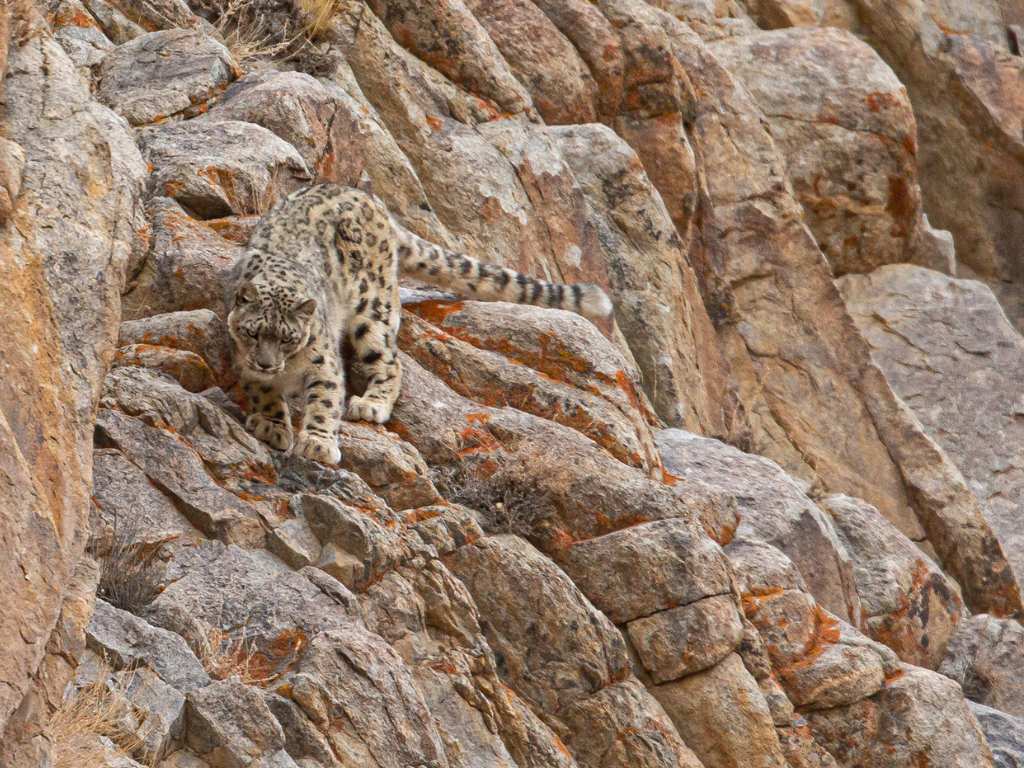
In Search of the Snow Leopard
Sham Valley in Leh-Ladakh offers an opportunity to experience one of the Himalayas’ most remarkable wildlife landscapes. Staying at Kurambik Eco Homestay, tourists can spend time in a region known for snow leopard sightings while learning about the high-altitude environment and local way of life. This experience combines nature, conservation and the communities that coexist with one of the Himalayas’ most elusive animals.
Tracking the Tibetan Wolf
Maan Village in Ladakh offers an opportunity to learn about the Tibetan wolf and its relationship with local communities in the high-altitude landscapes of Changthang. Visitors can explore the historic Shang-Dong wolf traps, traditional stone structures that reflect how people once protected their livelihoods while living alongside wildlife. This experience highlights the region’s natural heritage, local history and evolving approach to wildlife conservation.
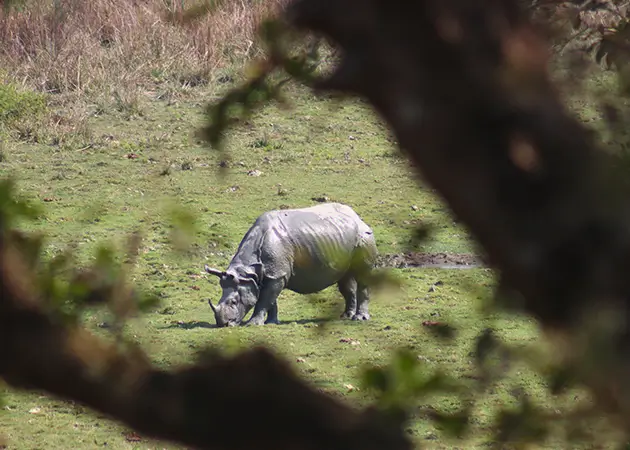
Home of the One Horned Rhino
Kaziranga National Park in Assam is one of India’s most important wildlife destinations and is renowned for its population of the one-horned rhinoceros. Visitors can explore the park’s grasslands, wetlands and forests while observing a diverse range of wildlife, including elephants, wild buffalo, deer and numerous bird species. This experience offers an opportunity to understand the biodiversity and conservation significance of one of Northeast India’s most celebrated protected areas.
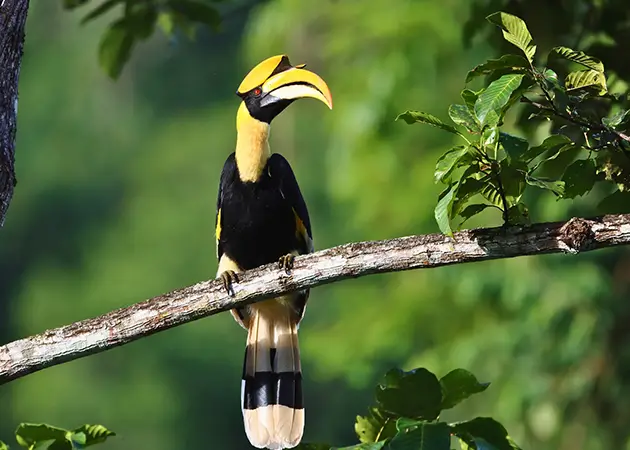
Birdwatching in Umswai
Umswai Valley in Assam offers excellent opportunities for birdwatching across its forests, agricultural landscapes and natural habitats. Visitors can observe a variety of resident and migratory bird species while exploring scenic trails through the valley. This experience provides insight into the region’s rich biodiversity and makes Umswai Valley an ideal destination for nature enthusiasts and birdwatchers.
Home of the Hoolock Gibbon
The forests around Sasatgre Village in Meghalaya are home to the Hoolock Gibbon, India’s only ape species. Visitors can explore these forest landscapes and learn about the habitat and behaviour of this rare primate in its natural environment. This experience offers an opportunity to understand the region’s biodiversity while spending time in one of Meghalaya’s lesser-known nature destinations.
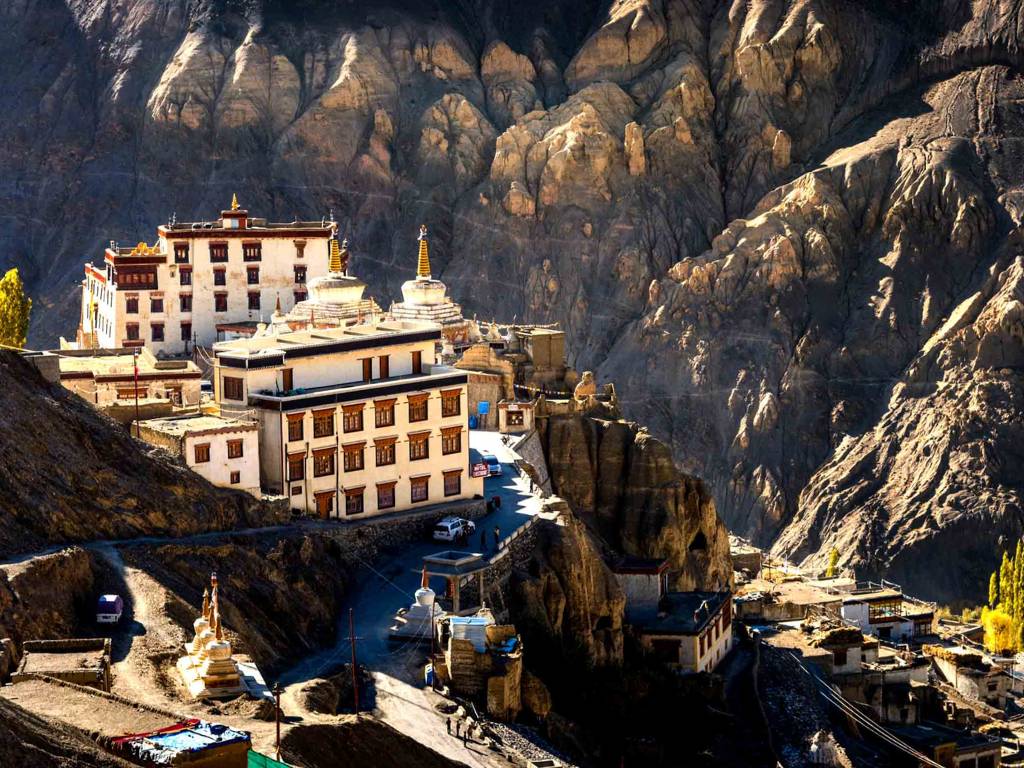
Wandering the Trails of Sham Valley
Sham Valley in Leh-Ladakh offers one of the region’s most accessible trekking experiences, combining natural landscapes, village life and cultural heritage. The route passes through Hemis Shukpachan, Mebtak La Pass and Tingmosgang, taking visitors through ancient juniper groves, mountain trails and traditional settlements. Along the way, travelers can experience local culture, visit monasteries and learn about traditional pottery practices that continue in the region today.
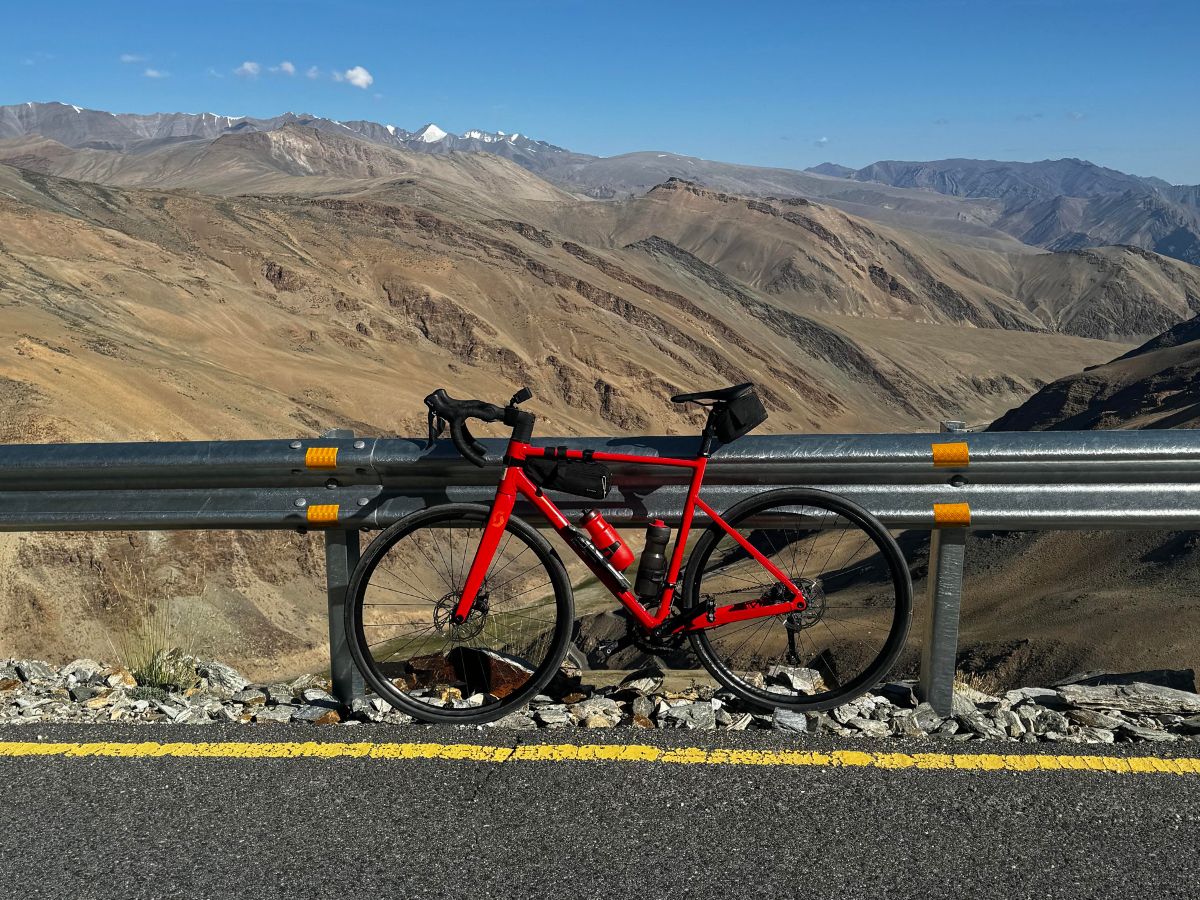
Cycling the High Roads of Wari La
Cycling near Wari La Pass in Leh-Ladakh offers an opportunity to explore remote mountain landscapes and high-altitude terrain. The route passes through open valleys, mountain roads and traditional villages, providing a unique perspective of the region’s natural environment. Visitors can combine the experience with a stay at Sakti Eco Homestay and gain insight into local culture and everyday life in the village.
Climbing the Roof of Maharashtra
Kalsubai, the highest peak in Maharashtra, offers a rewarding trekking experience through the landscapes of the Western Ghats. The trail passes through villages, forested sections and mountain terrain before reaching the summit, which provides panoramic views of the surrounding region. Visitors can combine the trek with a stay at Murshet Nature Camp and experience the natural beauty and rural character of the Kalsubai area.
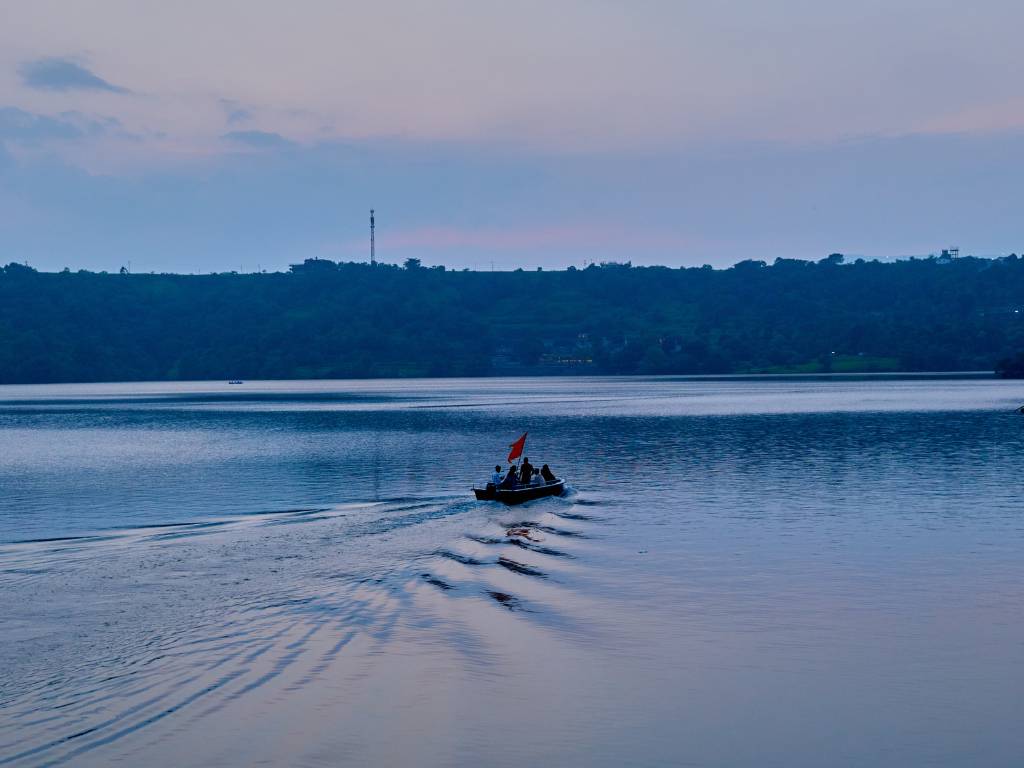
Drifting on the Waters of Arthur Lake
Arthur Lake, located amidst the Sahyadri mountains of Maharashtra, offers a peaceful boating experience surrounded by forests and scenic landscapes. Visitors can spend time on the lake while enjoying views of the surrounding hills and natural environment. The experience can be combined with a stay at Panjare Nature Camp, making it an ideal way to explore the region’s natural beauty.
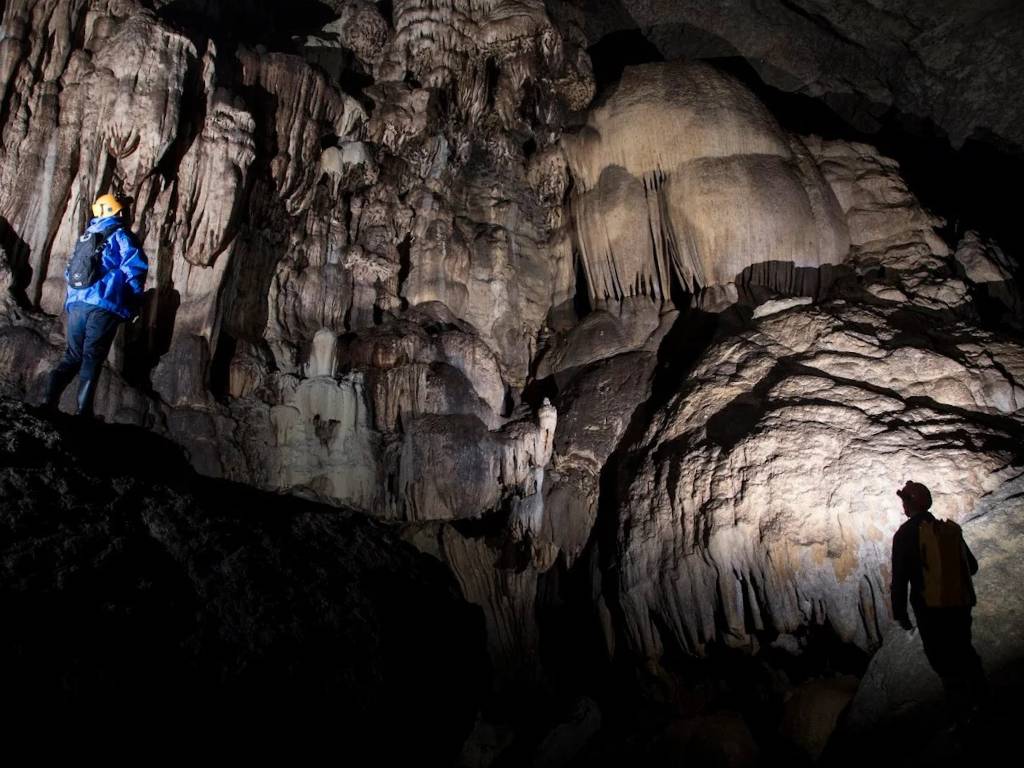
Into the Depths of the Siju Caves
Siju Caves in Meghalaya are among the longest limestone cave systems in India and are known for their unique geological formations and underground passages. Visitors can explore sections of the cave network while learning about the region’s natural history and landscape. The experience offers an opportunity to understand one of Meghalaya’s most significant natural attractions and can be combined with a stay at Mongri Eco Homestay.
Navigating the Hidden Gorges of Wari Chora
Wari Chora in the Garo Hills of Meghalaya offers a unique canoeing experience through narrow river gorges, steep rock formations and clear waters. Visitors can explore this striking natural landscape while gaining a closer view of the region’s geology and river ecosystems. The experience can be combined with a stay at Hadura Eco Homestay, providing access to one of Meghalaya’s lesser-known outdoor destinations.
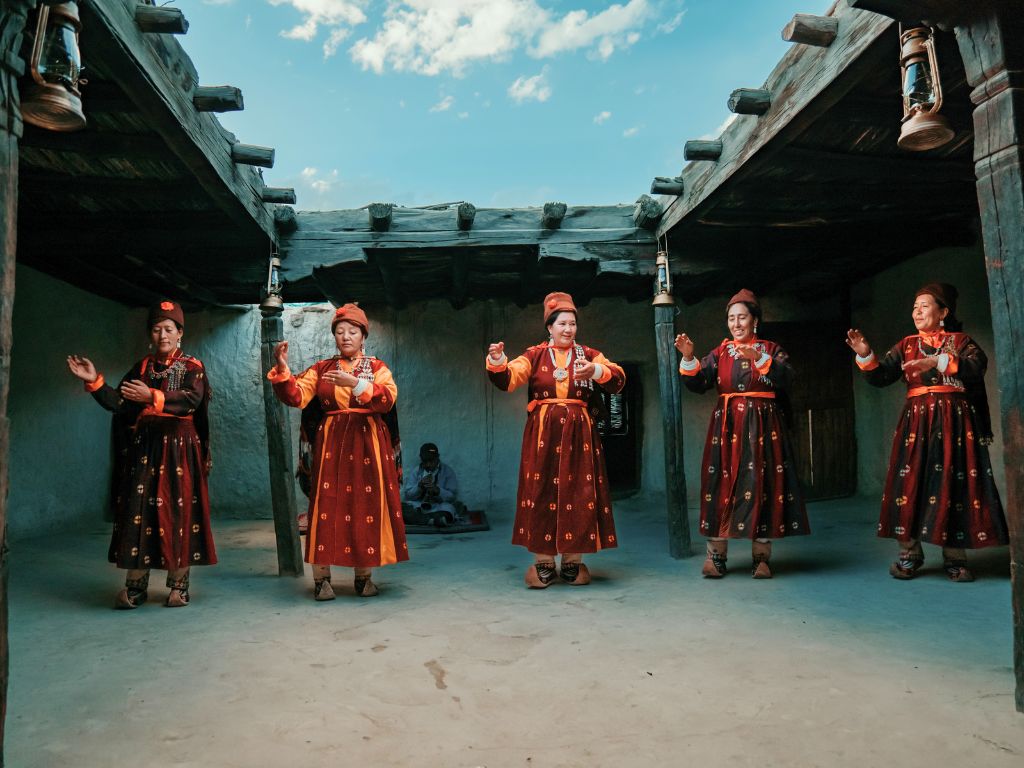
Ladakh Culture Along Historic Trade Routes
Leh-Ladakh is shaped by its location along the historic Silk Route, which connected Central Asia, Tibet, and the Himalayas. In Nubra Valley, travelers can experience traditional dance performances by the Kyagar Women’s Group in historic Silk Route houses once used by traders crossing the Karakoram Pass. Visitors can also attend morning prayers at Thiksey Monastery, one of the most important Buddhist monasteries in Ladakh, and gain insight into the region’s living cultural and religious traditions.
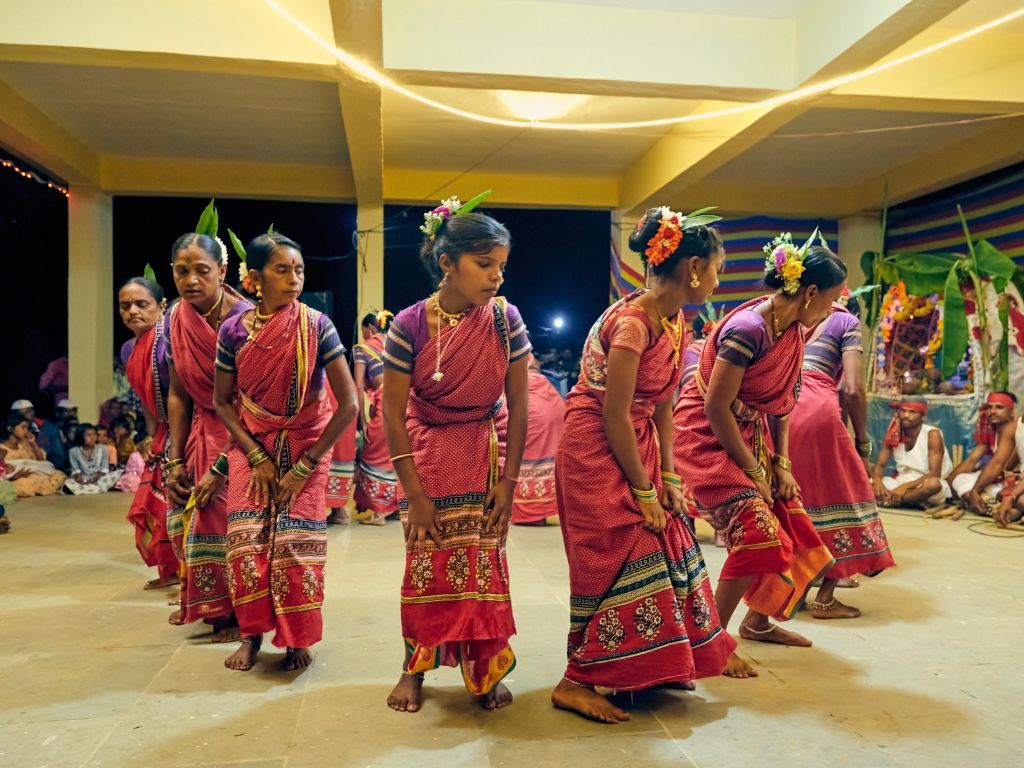
Tribal Life Driven by Environment
The Bhandardara region in Maharashtra is known for its cultural traditions, rural lifestyles and strong connection to the Sahyadri landscape. Local communities continue practices shaped by agriculture, forests, rivers and seasonal cycles. Visitors can experience local festivals, traditional music and dance and gain insight into the customs and everyday life that have evolved in the Western Ghats over generations.
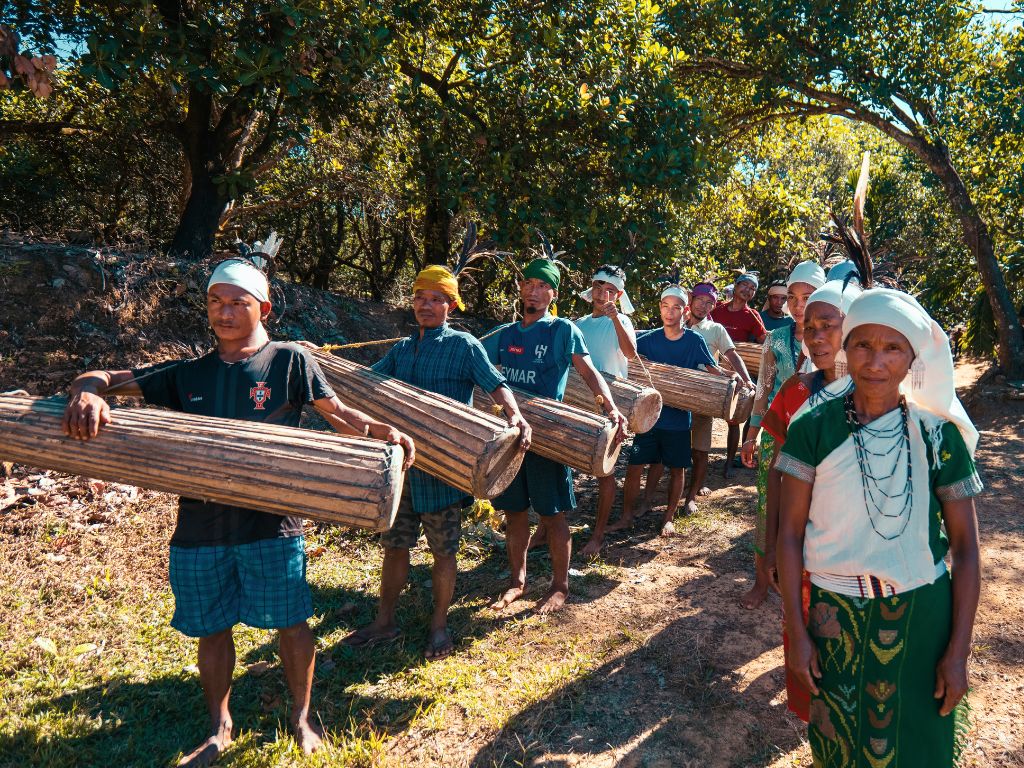
Wangala Festival and Garo Culture
The Wangala Festival is one of the most important cultural celebrations of the Garo community in Meghalaya. Observed after the harvest season, the festival is dedicated to the Sun God and features traditional drumming, group dances and community gatherings. Visitors can learn about Garo traditions, agricultural practices and cultural heritage through this significant festival that continues to play an important role in community life across the Garo Hills.
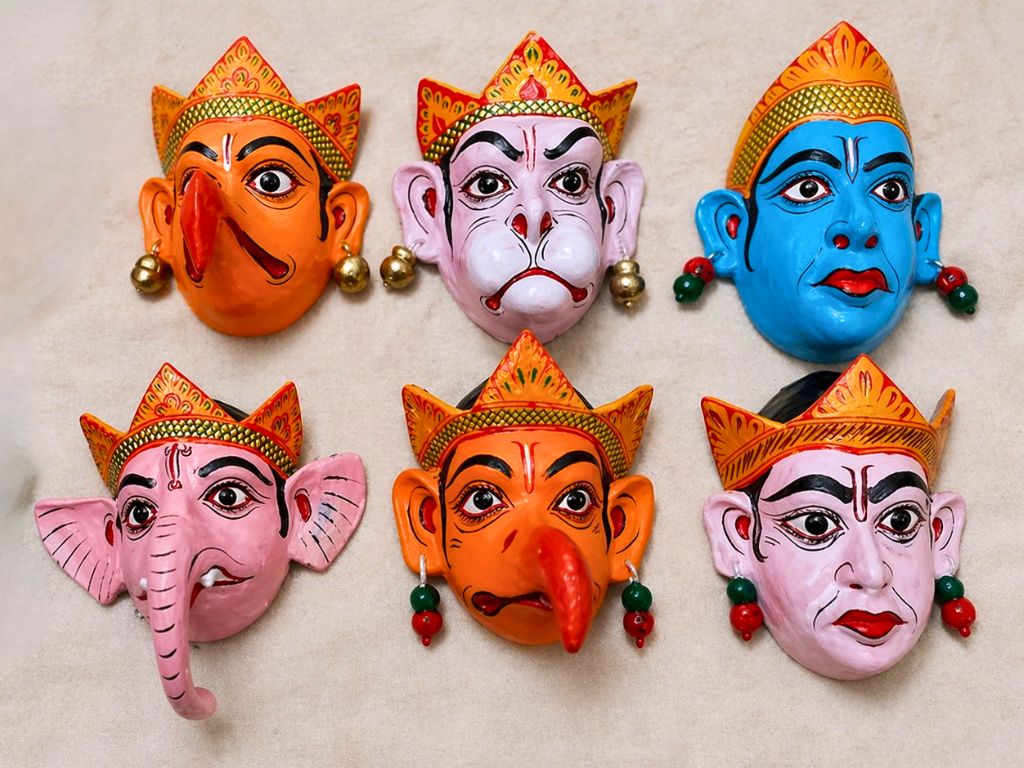
Majuli’s Mask-Making Tradition
Assam’s cultural heritage is reflected through traditions such as music, storytelling, handicrafts and community gatherings that continue across the state. The Tiwa community preserves oral traditions through songs, folklore and shared narratives passed between generations. In Majuli, traditional mask-making remains closely linked to Vaishnavite culture, where handcrafted masks are used in storytelling, performances and religious traditions, making it an important part of Assam’s living cultural landscape.

Stargazing at 14,000 feets
Astrostays in Maan Village near Pangong Tso offers an astronomy-focused homestay experience in Leh-Ladakh at an altitude of 14,000 feet. Visitors can participate in telescope-based stargazing sessions, learn about local astronomy traditions and observe the night sky in one of India’s leading dark-sky regions. The experience also includes traditional Ladakhi cuisine, local farming practices and access to nearby attractions such as Chushul and the Rezang La War Memorial.
Astronomy Meets Culture in Ladakh
Cosmohub Ladakh, located near Phyang Monastery in Leh-Ladakh, offers an astronomy and cultural experience that combines stargazing with local heritage. Visitors can explore Phyang Monastery, participate in telescope-based astronomy sessions led by trained local women astronomers and learn about the night sky through interactive presentations. The programme also includes local cuisine and cultural interactions, connecting astronomy, community knowledge and Ladakh’s cultural landscape.
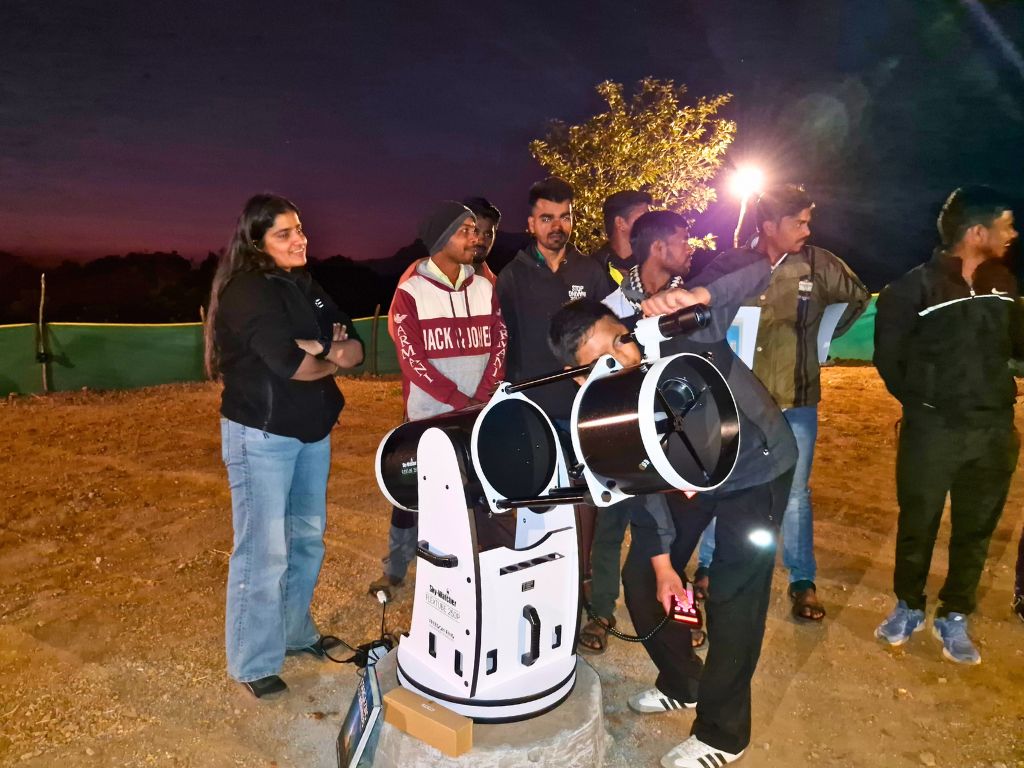
Under the Skies of Sahyadris
Cosmohub Maharashtra, located in Murshet Village near Bhandardara, offers an astronomy experience that combines stargazing with local knowledge systems. Visitors can participate in telescope-based observations using a 10-inch Dobsonian telescope and learn about local interpretations of stars, constellations and planets. The programme highlights how astronomy has traditionally been understood within rural communities and its connection to everyday life in the Sahyadri region of Maharashtra.

Traditional Cuisine of Ladakh
In Ladakh, at elevations above 12,000 ft, cuisine reflects influences from Central Asia, Tibet and North India due to its Silk Route history. Food is prepared using traditional bukharis (wood-fired stoves) and relies on locally available ingredients. Dishes such as Skyu (wheat-based pasta with vegetables and black chickpeas) and handmade momos are common. Meals are shaped by climate, local produce and long-standing cooking practices, often experienced best in local homes such as Thiksey Homestay.
Sahyadri Food Traditions
In the Sahyadri region of Maharashtra, village cuisine is based on seasonal and locally sourced ingredients including millets, lentils and vegetables. Food is typically cooked on wood-fired chulhas, giving it a distinct preparation style. Staple meals include bhakri with pithla, commonly eaten by farming communities. Festive dishes like puran poli are prepared during special occasions and shared within the community.
Garo Cuisine of Meghalaya
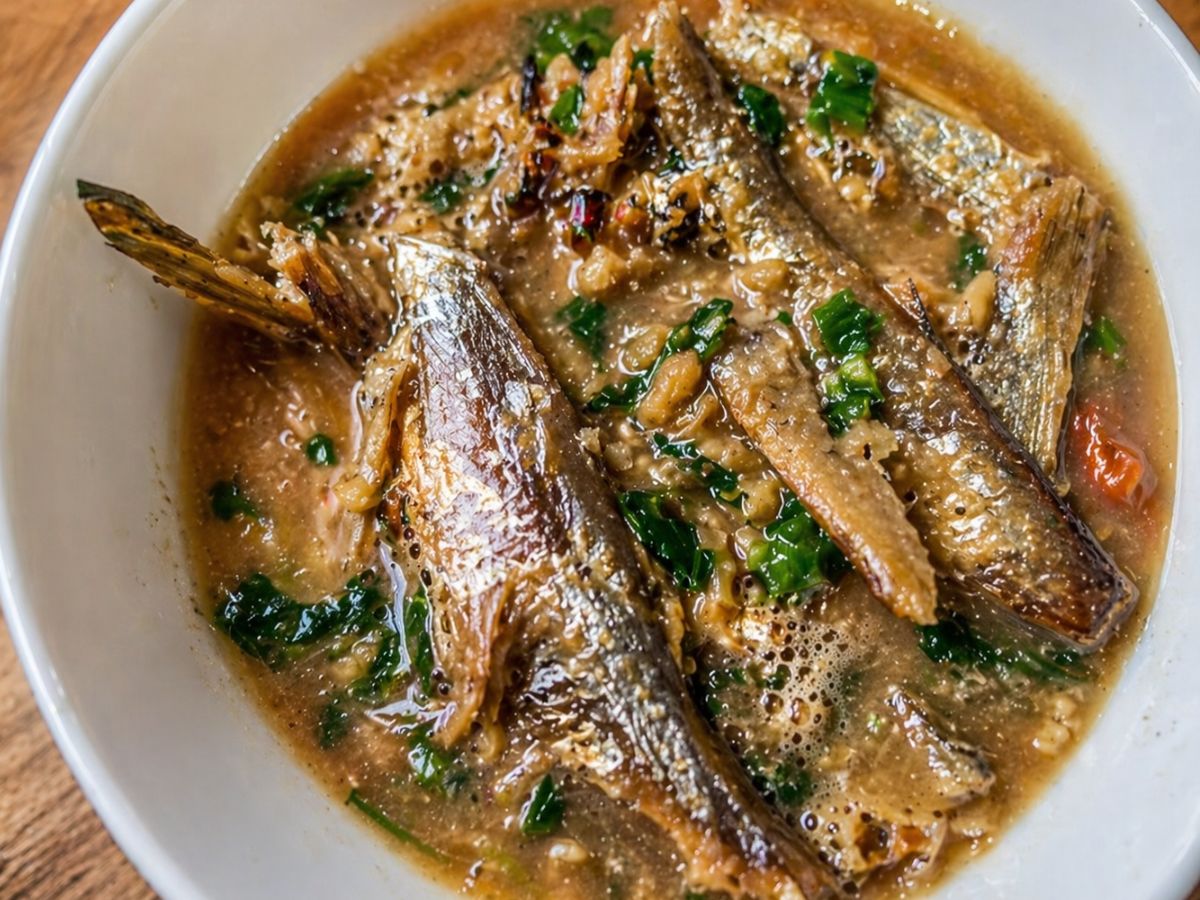
The food culture of Meghalaya is closely connected to the region’s forests, climate and natural resources. The Garo community continues traditional cooking practices that use bamboo, open-fire methods, locally grown ingredients and forest produce. Dishes such as Nakham Bitchi, prepared using dried fish, reflect local preservation techniques and culinary traditions. Visitors can learn about regional food practices and the relationship between cuisine, biodiversity and everyday life in the Garo Hills.
Assamese Food Traditions
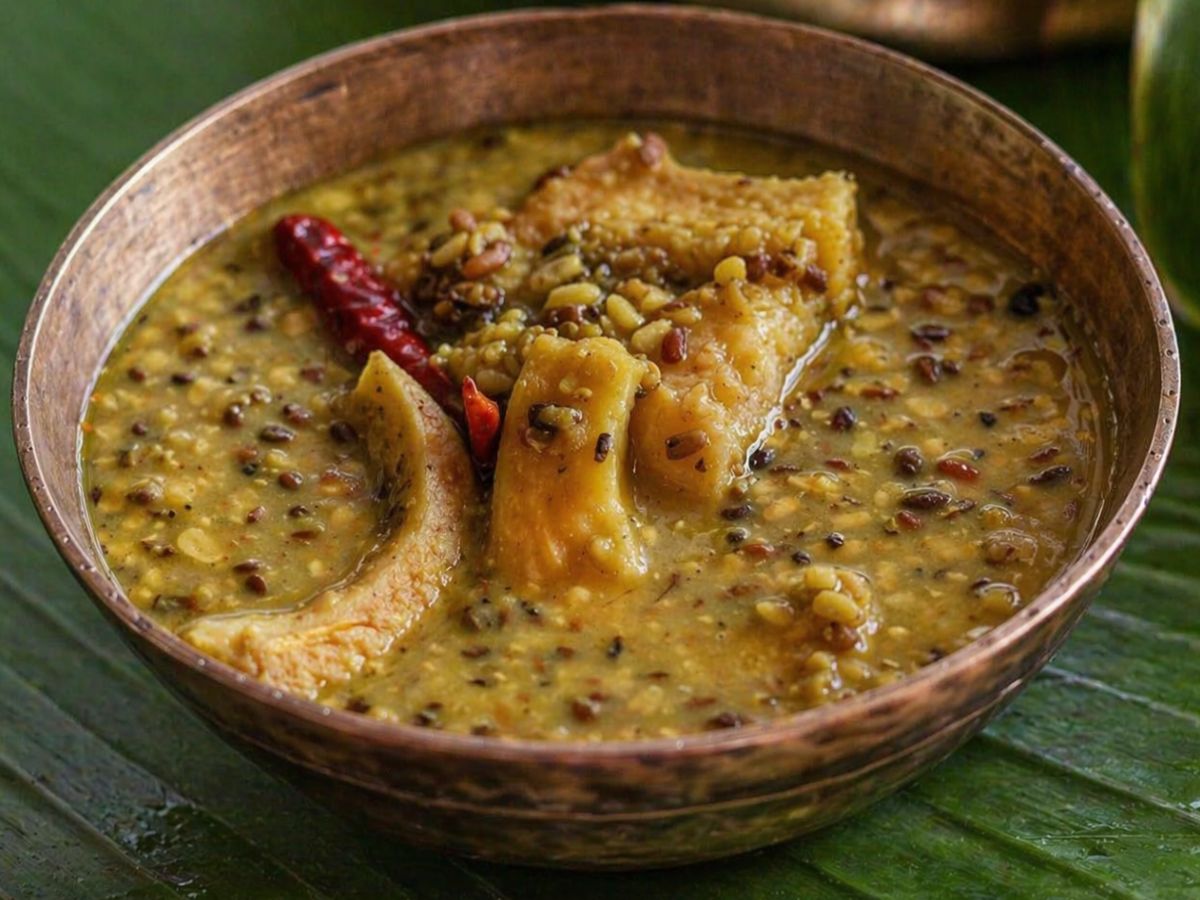
In Assam, cuisine is influenced by river systems and fertile land, with a focus on balanced flavours and minimal use of spices. A typical meal includes khar, tenga (tangy fish curry) and fresh greens. In regions such as Majuli and Umswai Valley, traditional cooking methods continue to be practiced. The Tiwa community food experience reflects indigenous ingredients and cooking styles passed down through generations.
Tribal Cuisine of Arunachal
In Arunachal Pradesh, communities such as the Tai Khampti and Singpho prepare food using locally available ingredients and minimal spices. Cooking methods include bamboo-based preparation and slow cooking. Tai Khampti cuisine is known for balanced flavours, while Singpho food includes smoked meats and bamboo shoot dishes. Meals are often shared in a communal setting, reflecting traditional food systems and social practices.