Nubra Chronicles – Volume 2
Myths, Mysteries and Legends of Nubra Valley
Explore Nubra’s lesser-known myths, sacred legends, forgotten royal strongholds, ancient craftsmanship and oral traditions that reveal the valley’s rich cultural heritage and mysterious past.
Beyond the famous Silk Route and the dramatic landscape of Siachen lies a lesser-explored side of Nubra Valley, filled with ancient legends, sacred places and stories passed down through generations. From mysterious natural formations to forgotten royal strongholds and tales of revered Buddhist teachers, discover the stories that reveal a different side of Nubra’s history, beliefs and cultural heritage
Beyond the Silk Route
Stories Hidden in Nubra
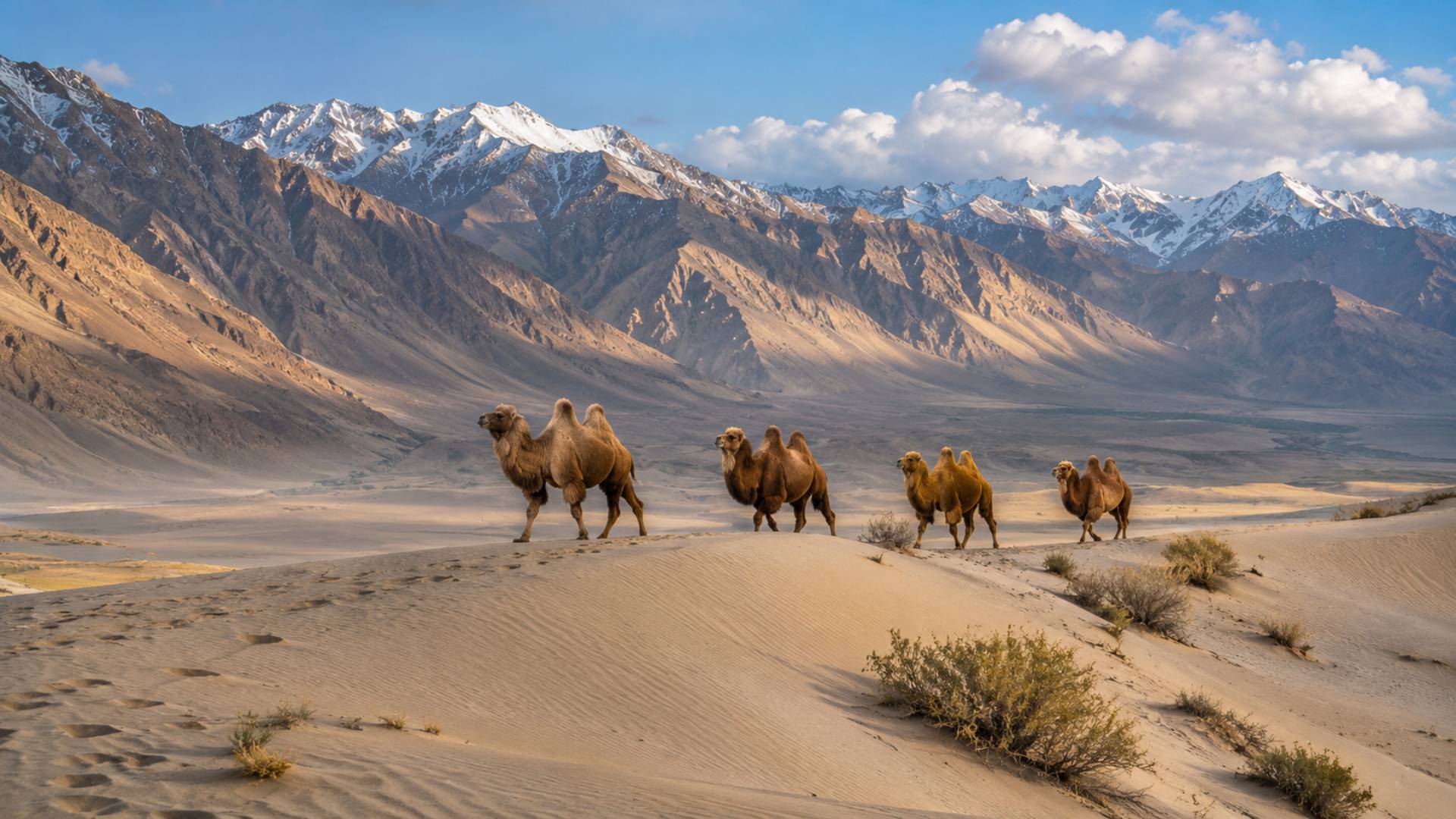
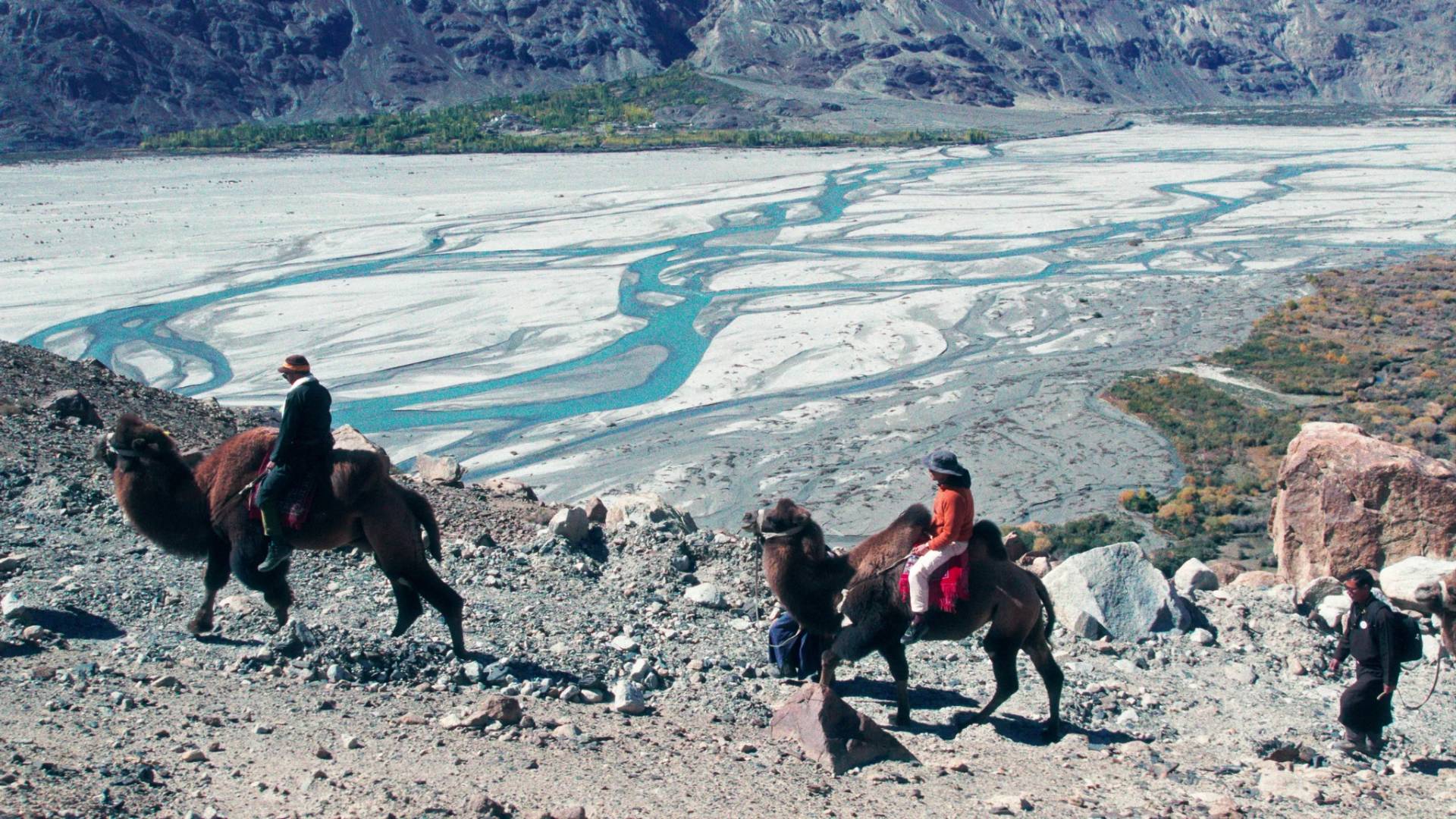
Nubra Valley is widely known for its ancient Silk Route connections, the stretched landscapes around Siachen and the double-humped camels. But beyond these familiar sights lies another Nubra; one shaped by forgotten settlements, sacred places, unusual natural formations and stories passed down through generations.
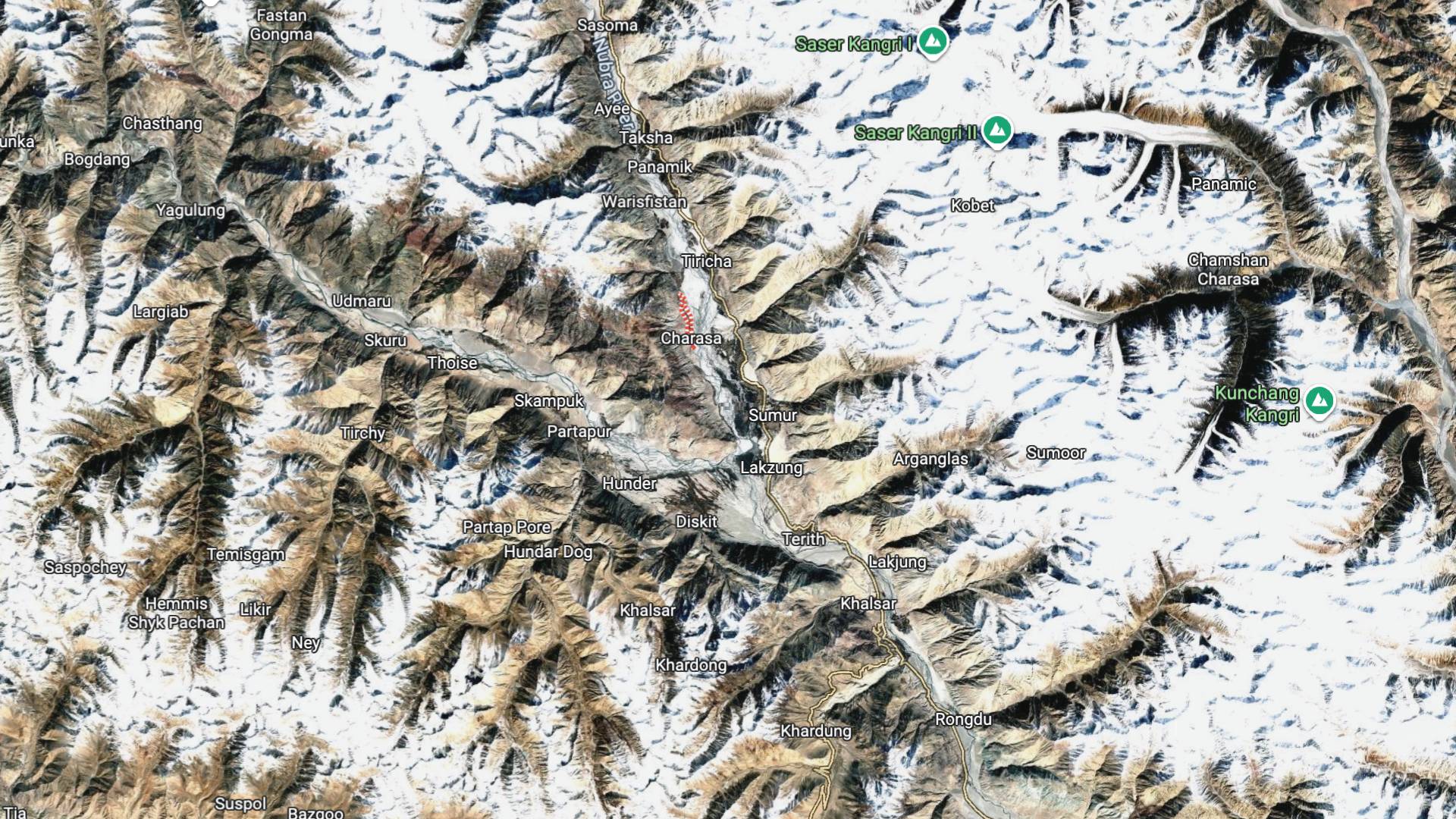
Travel towards Charasa, Burma and the lesser-explored villages along the Siachen River and the landscape begins to reveal a different side of Ladakh. Here, history and folklore often meet, leaving questions that are as fascinating as the places themselves.
Serga: Where the Earth Splits
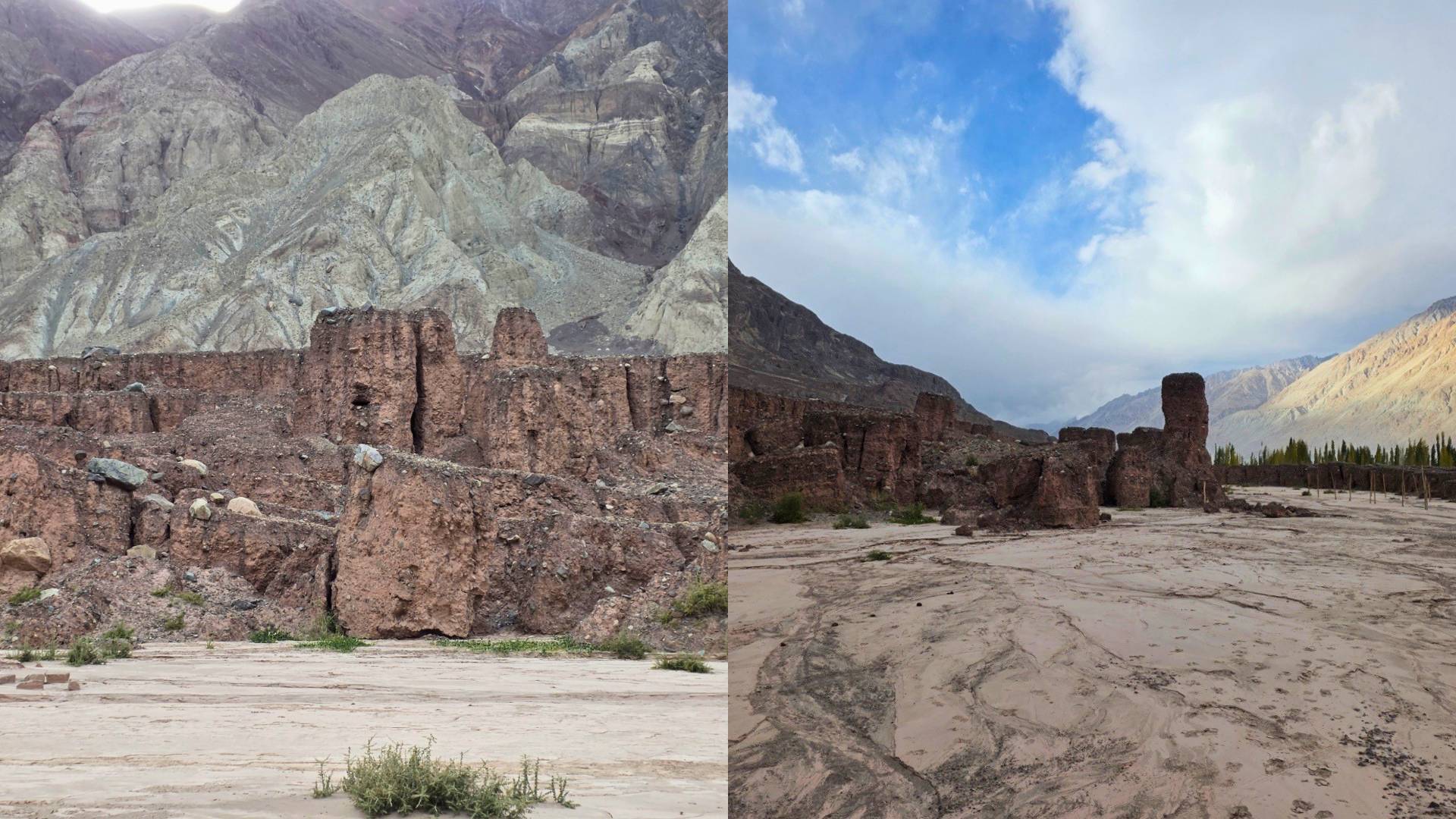
Near Charasa village lies Serga, a striking stretch of dry ground marked by deep cracks and fissures. Similar formations are reported around Burma and Phukpoche, although the cracks at Serga are particularly prominent.
One local legend tells of a supernatural contest between Kurgon, a powerful deity associated with Tangyar Monastery and Spawo Standin, Charasa’s protector deity. According to the story, their magical confrontation split the ground and left the unusual formations visible today.
Another explanation, shared by local storytellers, points towards an ancient earthquake and the effects of erosion. The exact geological history remains to be established, but the contrast between the landscape and its competing explanations makes Serga a fascinating place to discover.
Charasa: A Forgotten Royal Stronghold
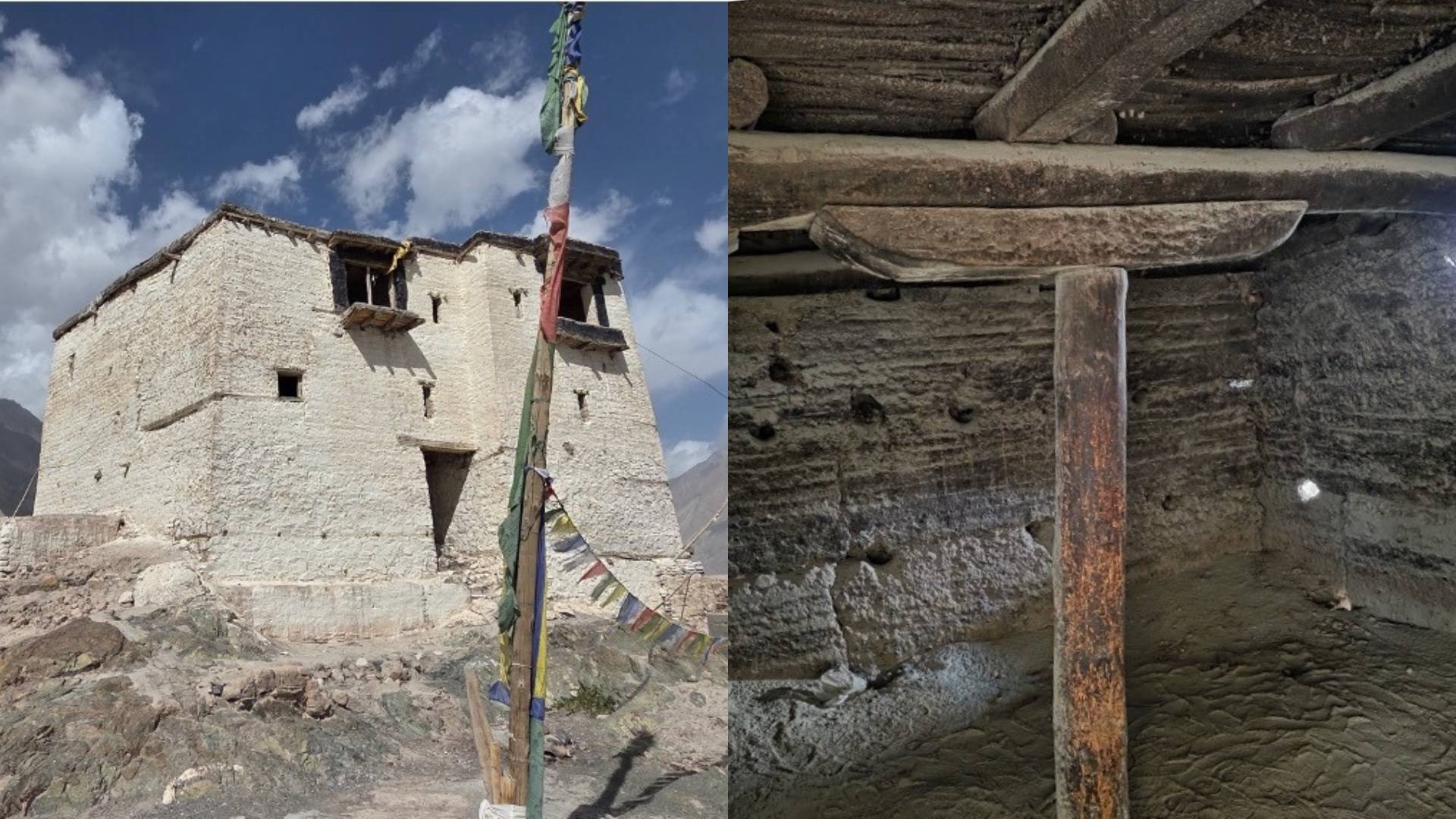
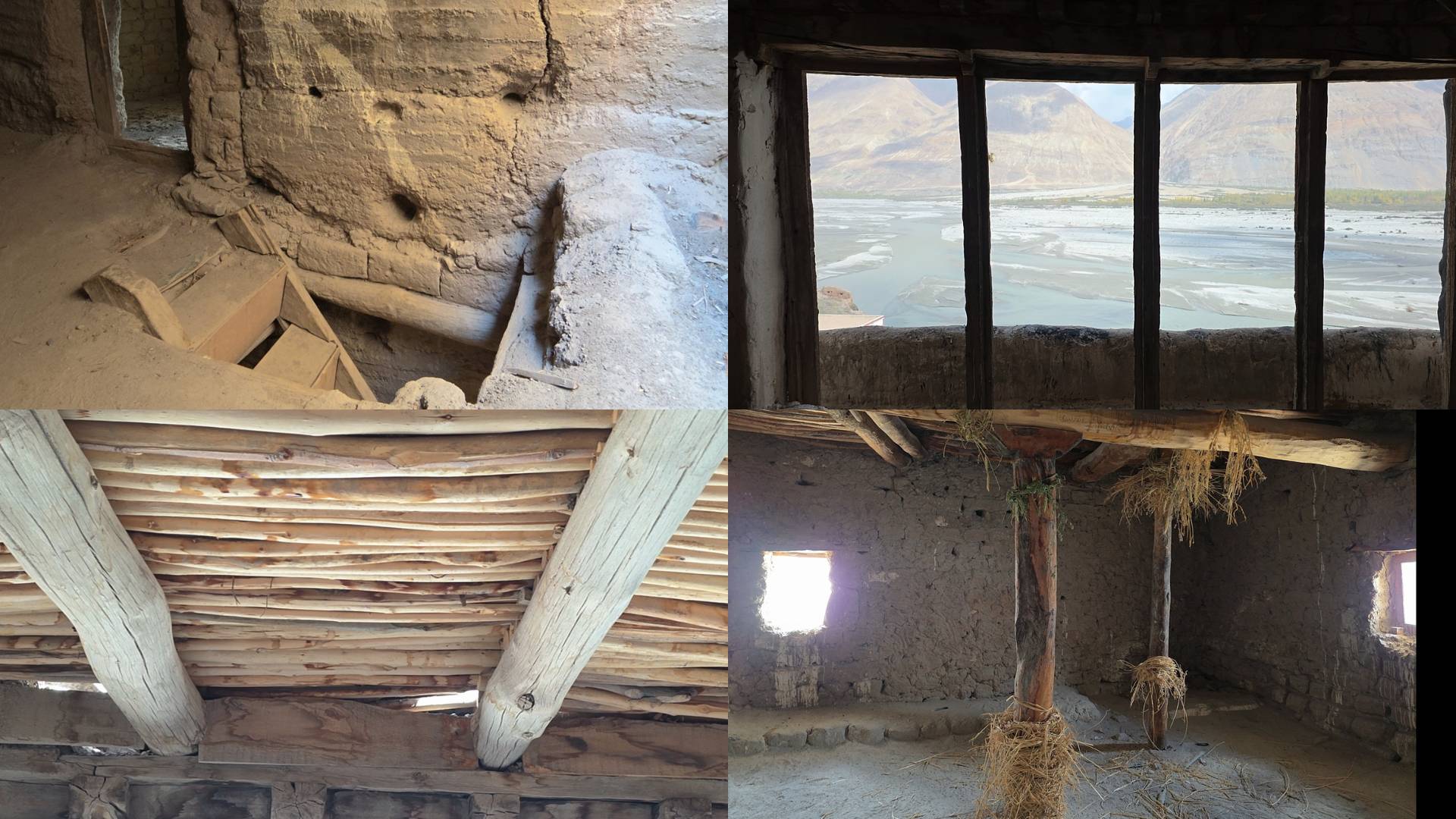
Today, Charasa may appear quiet, but its hilltop ruins tell of a more powerful past. The settlement contains the remains of a fortified complex almost 400 years old, palace buildings and Buddhist monasteries. Local tradition and heritage research associate the site with Nubra’s former rulers often linking it to Namgyal Dynasty and the period when Charasa served as a royal winter residence during the 17th century.
The village is also linked to the region’s ironworking heritage. Nearby deposits were brought down from the surrounding mountains and smelted at a place known as Perathang. The landscape therefore holds stories not only of kings and monasteries, but also of trade, craftsmanship and everyday life.
Panchen Lhatsun
The Saint the River Would Not Carry Away
Among Charasa’s most revered stories is that of Panchen Lhatsun.
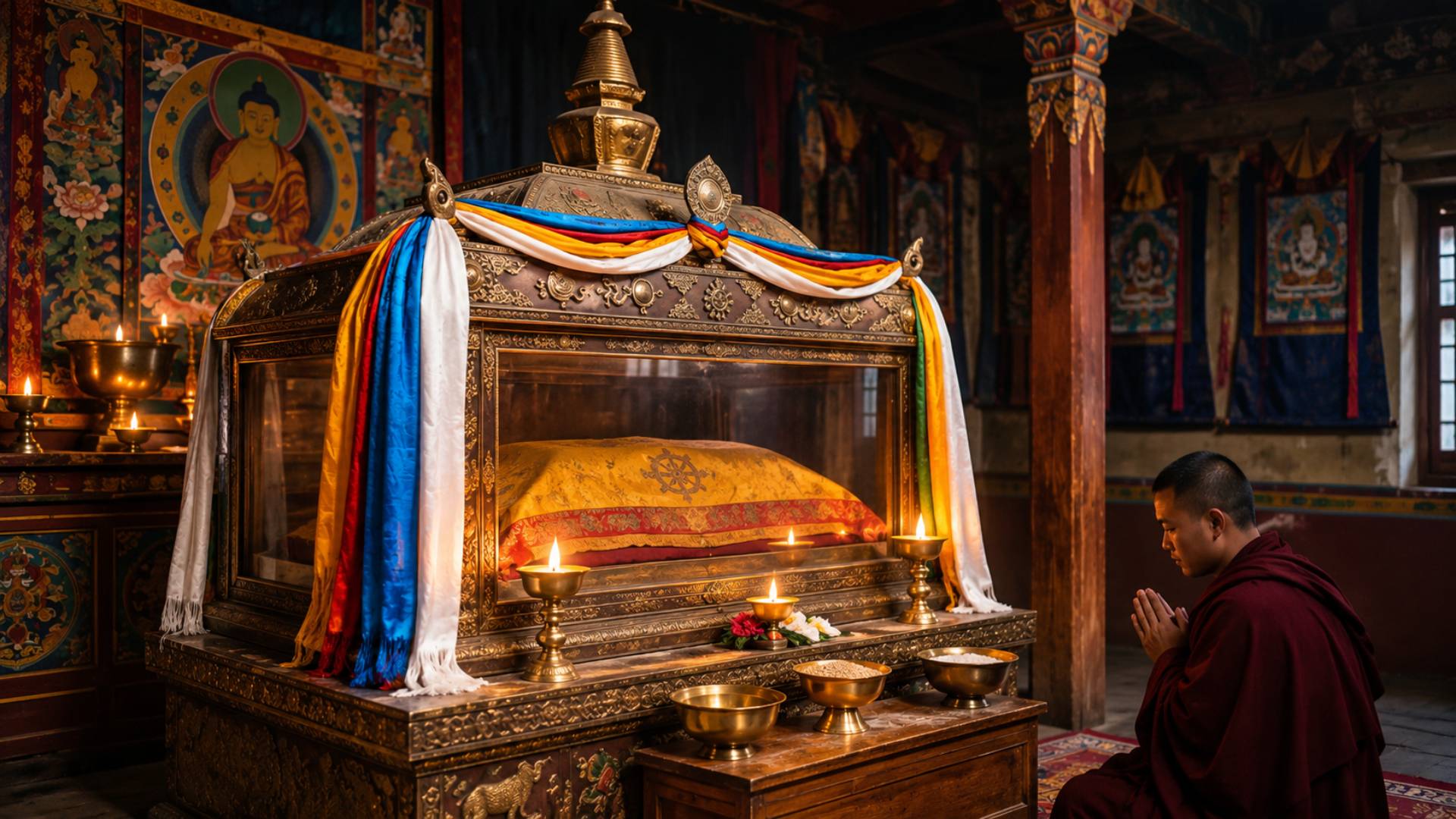
According to local oral tradition, during an invasion by enemies in nearly 14th century, his body was cut into two pieces and thrown into the river. The river, the story says, did not carry it downstream; instead, the body was found back upstream. After a search, villagers recovered the remains, parts of which are believed to have been enshrined at different sacred sites.
The portion of the body preserved at CharasaMonastery continues to hold deep religious significance. The story is not simply about a mysterious event; it is about faith, memory and a sacred connection that generations of local people have continued to honour.
The Traditional Locksmith
Keeping Ladakh’s Old Craft Alive
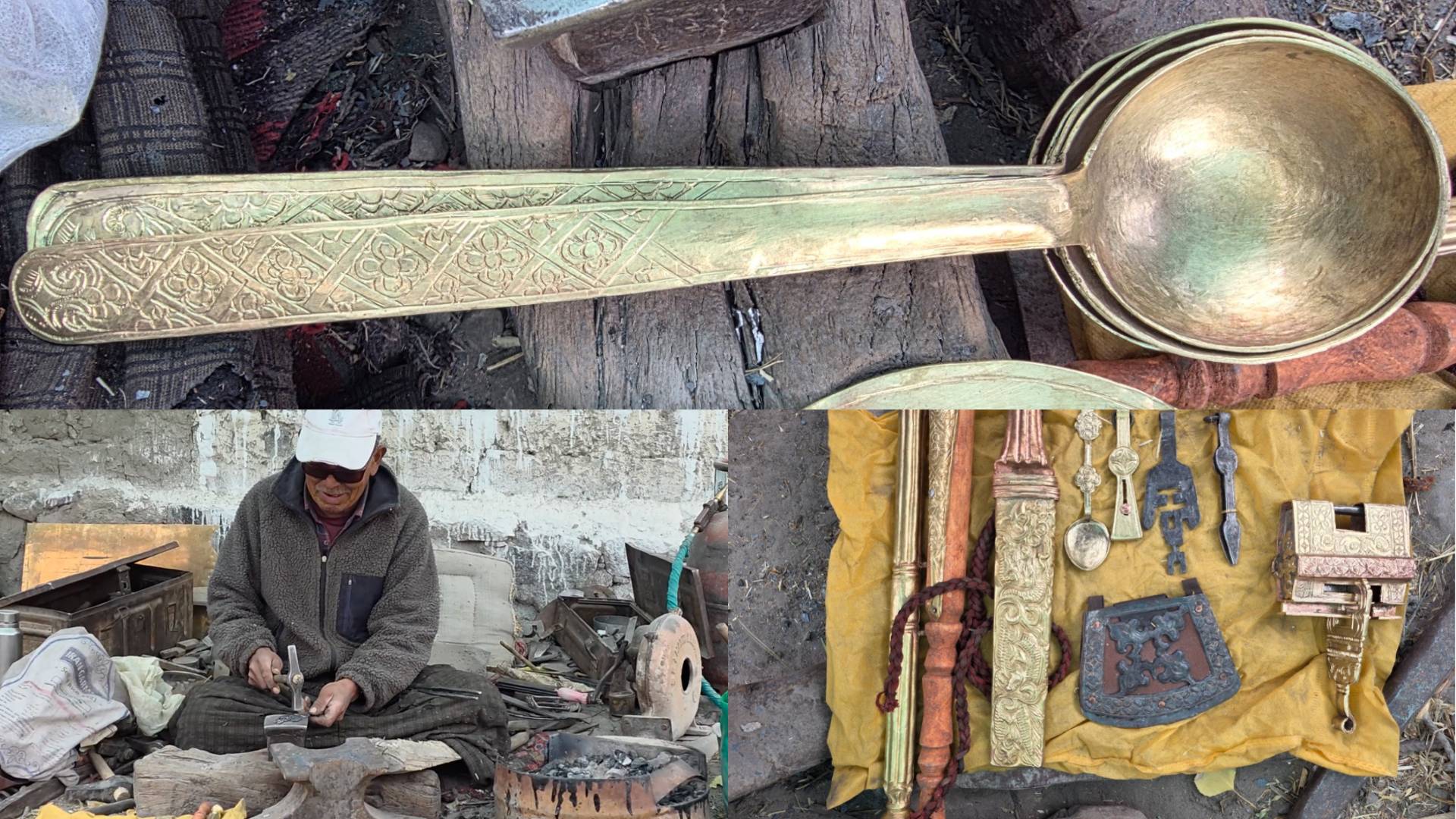
For centuries, traditional locks secured the doors of Ladakh’s forts, monasteries and old houses. Unlike modern locks, these handcrafted mechanisms reflect a knowledge of materials, tools and techniques passed down through generations.
In Ladakh, one craftsman is said to be the only locksmith still making these traditional locks. He learnt the craft when he was young, inheriting the skill from his father. While many old locks remain on the doors of historic buildings, the art of making them is becoming increasingly rare.
His work is more than a way to secure a door. Each lock carries a little of Ladakh’s architectural and craftsmanship heritage – a reminder that some traditions survive through the hands of just a few people.
The Deities, the Palace and the Deep Pit
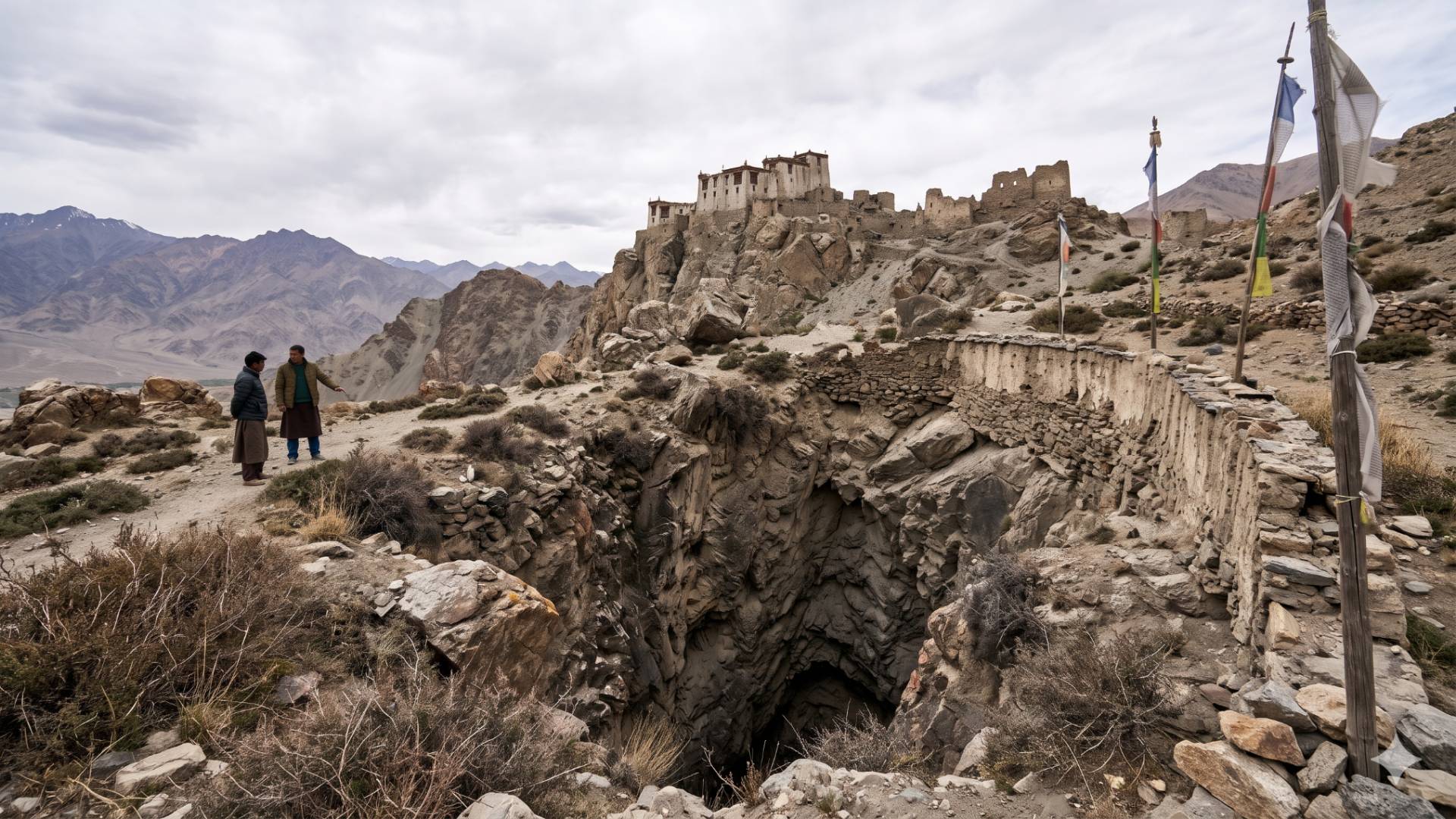
Charasa’s stories also speak of protective deities, royal customs and places whose original purpose has faded from everyday memory. One oral account describes a deep pit near the gompa, known locally as Me-fangsa, where people accused of serious wrongdoing were reportedly thrown during a king’s time.
Such accounts should be understood as local oral history rather than independently verified records. Yet they offer a glimpse into how people remember the authority, beliefs and customs of an earlier era.
The Road Less Taken
Nubra’s heritage is not confined to its most photographed landmarks. Villages such as Charasa, Murgi and Burma hold stories of ancient routes, sacred remains, fractured landscapes, forgotten royal centers and living traditions that are rarely part of a conventional Ladakh itinerary.
These are places best approached with curiosity and respect, with time to listen to local storytellers, understand community beliefs and appreciate the landscape beyond its appearance.
The next time you think of Nubra, look beyond the Silk Route and Siachen. Every village in Nubra holds stories waiting to be heard of forgotten kingdoms, sacred places, unusual landscapes and traditions kept alive by the people who call this valley home.
This was Nubra Chronicles- Volume 2: Myths, Mysteries and Legends, bringing you a little closer to the stories that lie beyond the familiar tourist trails.There is still so much more to uncover. In the next volume, we’ll return with more stories, lesser-known places and voices from Nubra that deserve to be heard.
Until then, stay curious!

Nubra’s Silk Route history, ancient settlements, forgotten heritage and untold stories.