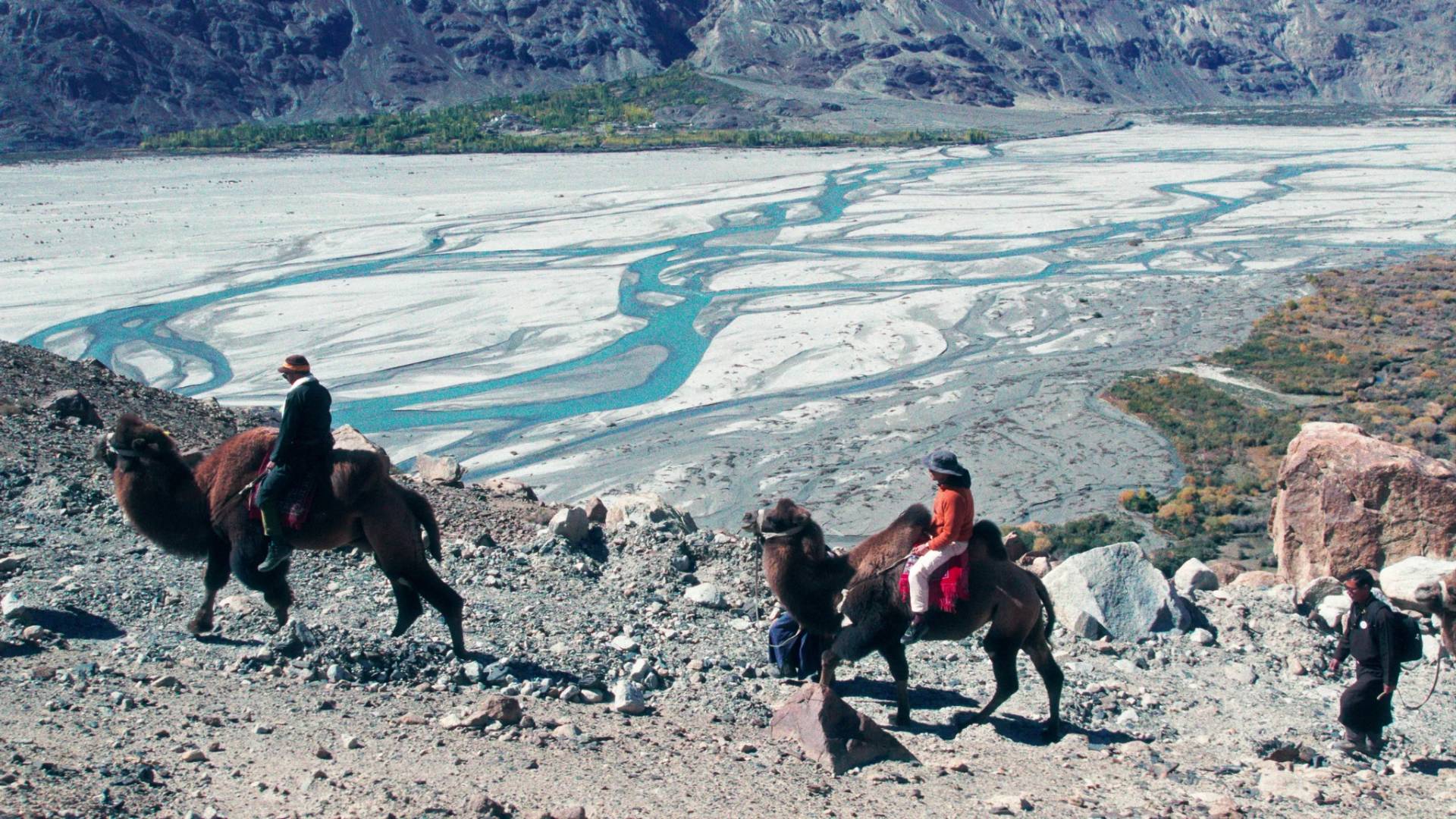
The Charasa Saga
Forgotten Royal Stronghold of Nubra
A story of kings, monasteries, sacred relics and traditions that refuse to disappear
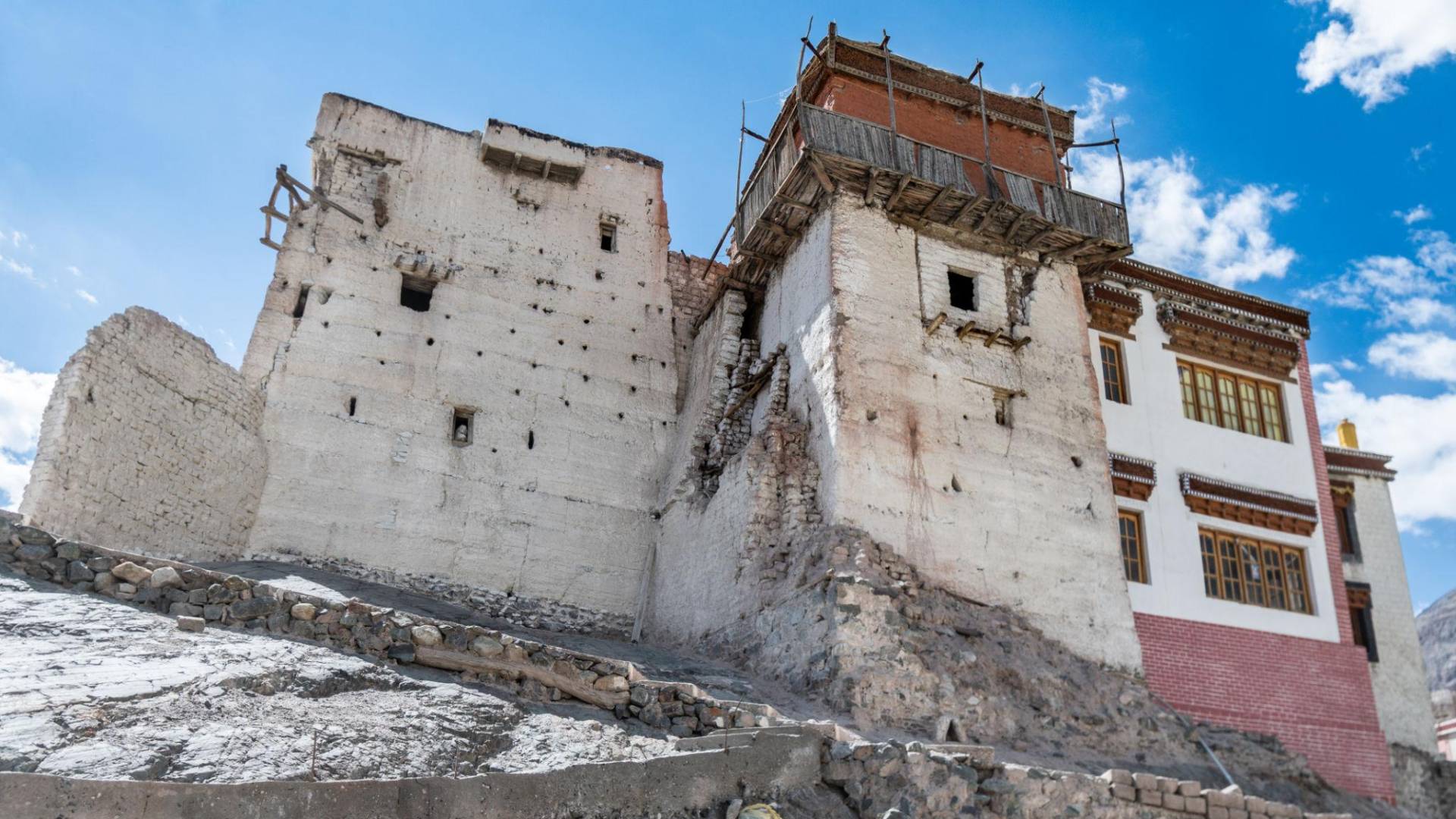
Located along the banks of the Siachen River in Nubra Valley, Charasa holds an important place in Ladakh’s history. The village once served as the winter residence of the Ladakhi king and, for a period, as the capital of Nubra.
Charasa’s history is associated with the old royal palace, two Buddhist monasteries belonging to different traditions, sacred relics and traditional metalworking. Local accounts also preserve stories about religious figures, protective deities and the families who served the royal household.
These accounts provide an understanding of Charasa’s position in the political, economic and religious history of Nubra.
The Iron Legacy of Charasa
The name Charasa is believed to have originated from Chak-rasa, referring to iron ore found in the surrounding mountains. The village was once a centre of iron extraction and metalworking. Ore collected from nearby hills was brought to an area known as Perathang, where it was smelted. The word Pera refers to the process of smelting, while Thang means an open, flat ground.
Miners reportedly travelled from different parts of Ladakh, including Khapulu in Baltistan, to collect iron ore. The metal was processed in kilns, and sword blades were among the products manufactured here. Dark patches still visible on the ground are locally believed to be remnants of the heat generated during the smelting process.
The availability of iron, agricultural land, firewood and access to trade routes contributed to Charasa’s importance as a settlement.
Under King Nima Namgyal (1680–1730), Charasa became the winter residence of the Ladakhi king. According to local heritage documentation, the settlement expanded from just seven households during his reign. Families were brought here to perform specific duties for the royal household. These included serving as guards, horsemen, water carriers, supply managers, kitchen staff, messengers and ministers.
Some families received agricultural land in return for their service and loyalty. The settlement was organised around the administrative and household requirements of the king.
Inside the Royal Fortress
The old Charasa Palace, known as Kharpoche Khar, stands on a rocky hill overlooking the village. Its position reportedly provided views of nearly seventeen villages across Nubra Valley. The palace served as a defensive structure during a period when raids by outside invaders and neighbouring chieftains were common.
According to religious texts, the palace was originally known as Deachen Snongaling. King Nima Namgyal is believed to have renamed it Kharpoche Khar.
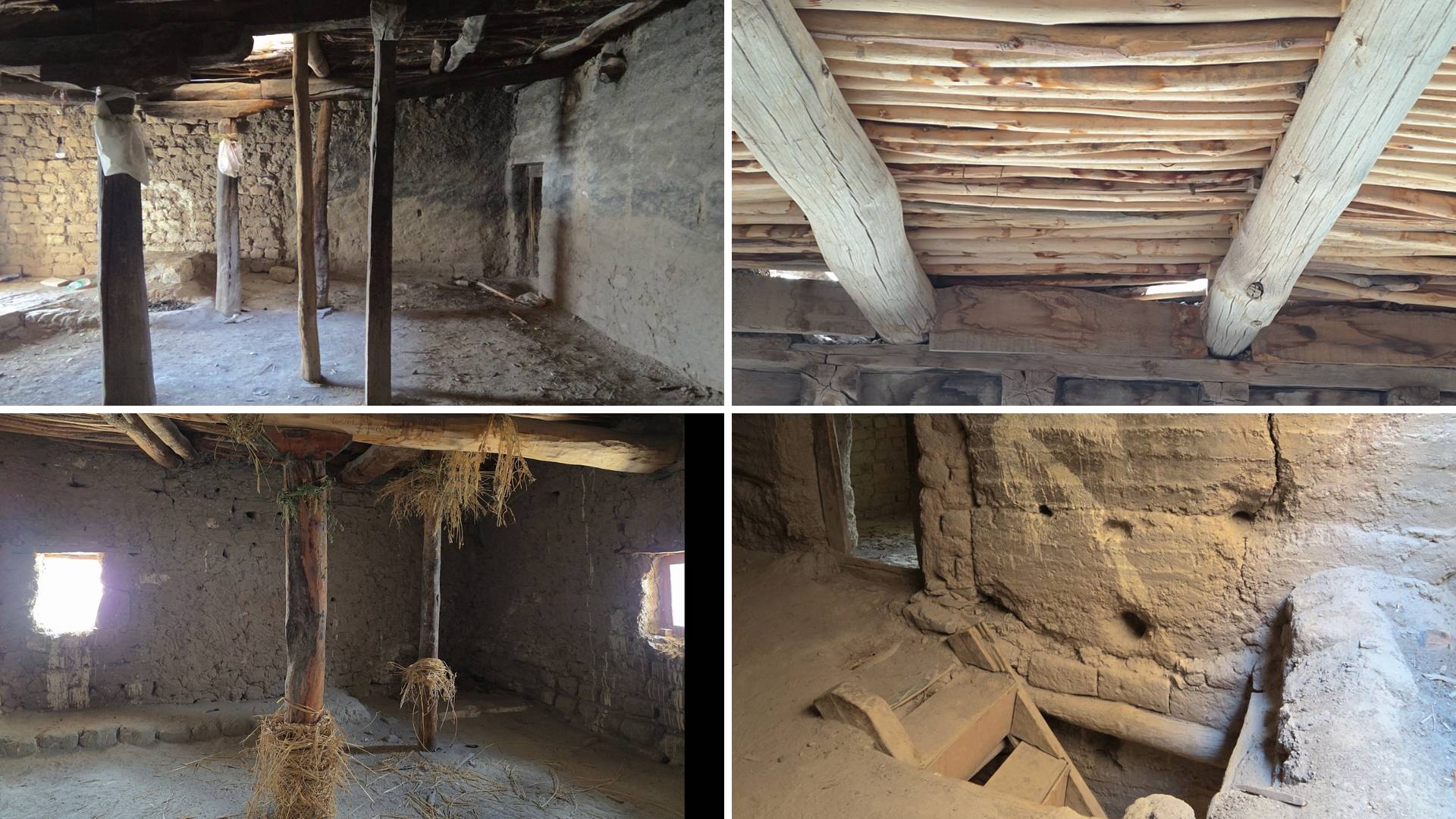
The three-storey structure is now partly in ruins. Its fortification originally had four watchtowers, positioned to guard the four cardinal directions. Only one watchtower remains standing today. It is known as Lobzang Piu, named after a soldier called Lobzang, who is remembered for protecting Charasa during attacks.
The fortified area also contained houses belonging to families who served the king. The palace, residential structures and religious buildings formed part of the royal settlement.
After Nima Namgyal, his son Deskyong Namgyal also lived here. The last Ladakhi king associated with the palace was Tsewang Namgyal in the eighteenth century.
The palace is also mentioned in local folk songs, particularly Kharpoche Khar, which describes its position and the surrounding landscape.
Where Two Buddhist Traditions Meet
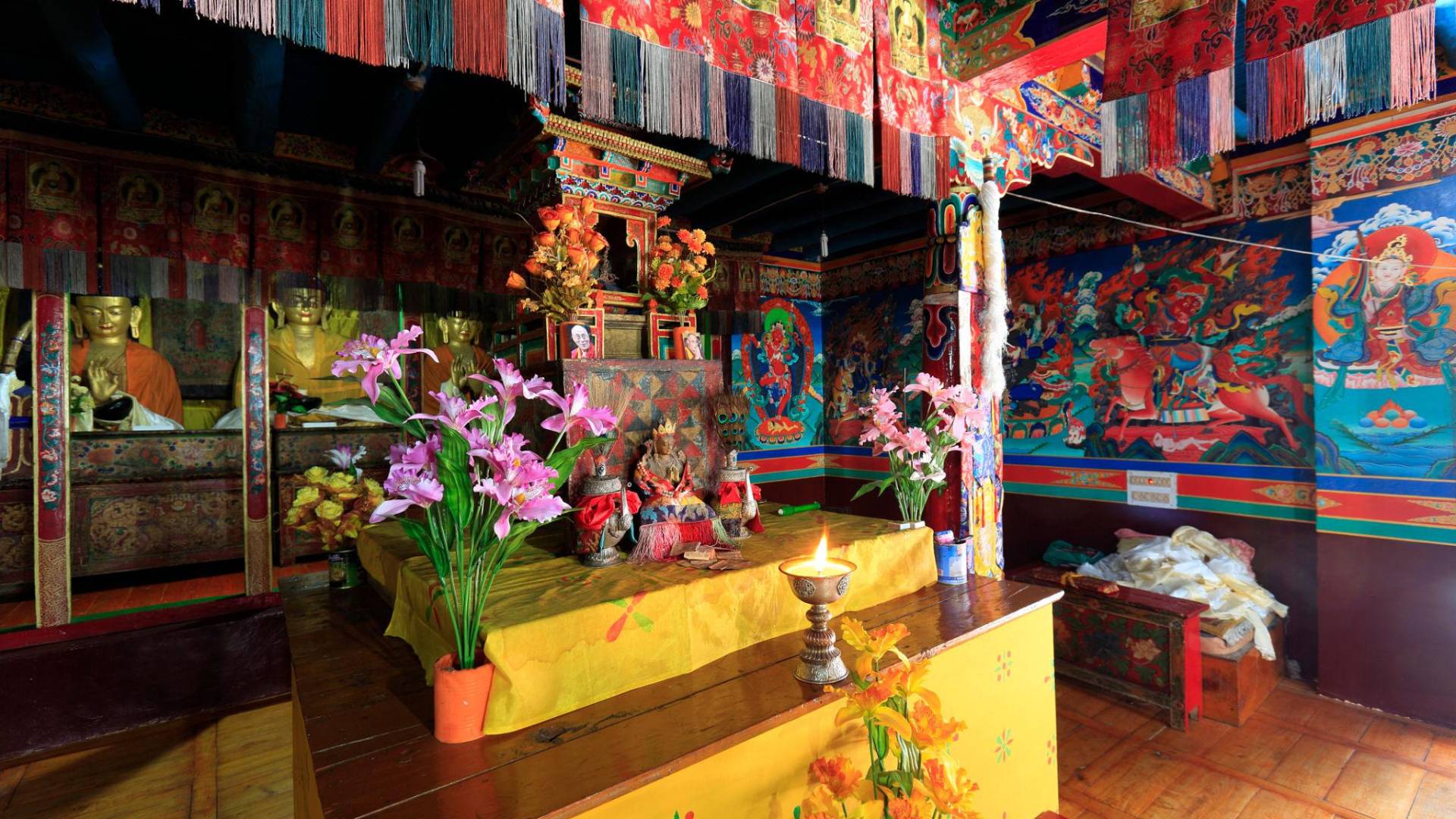
The old fortified settlement houses two monasteries belonging to different schools of Tibetan Buddhism. Serdung Monastery is associated with the Gelugpa tradition, while Stadin Monastery follows the Drukpa tradition and functions as a branch of Chemde Monastery.
Serdung Monastery: The Gelugpa Lineage
Located within the Charasa Palace fortification, Serdung Monastery is associated with Panchen Lhatsun, a Buddhist master born in Udmaru village in Nubra. He became a monk at a young age and initially studied at Diskit Monastery before travelling to Tibet for further religious education. He later became an influential figure within the Gelugpa order and helped spread its teachings across Nubra. Heritage accounts describe the monastery as having three prayer halls containing Buddhist statues, scriptures and thangkas. The monastery was restored in 1991.
Stadin Monastery: The Drukpa Tradition
Located beside Serdung, Stadin Monastery belongs to the Drukpa school of Tibetan Buddhism and remains a branch of Chemde Monastery. The presence of two monasteries belonging to different Buddhist traditions within the same fortified settlement reflects the religious history of Charasa and its connections with different monastic institutions. Every year, prayer ceremonies known as Skangsol and Serdung ltanmo take place on the 14th and 15th days of the ninth month of the Tibetan calendar. Monks and members of the local community participate in these ceremonies.
The arrangements follow the traditional Nyerpa system, under which households take turns providing food, butter-lamp oil and other necessities. Local families have continued to support the monasteries through this system.
The Mystery of Panchen Lhatsun
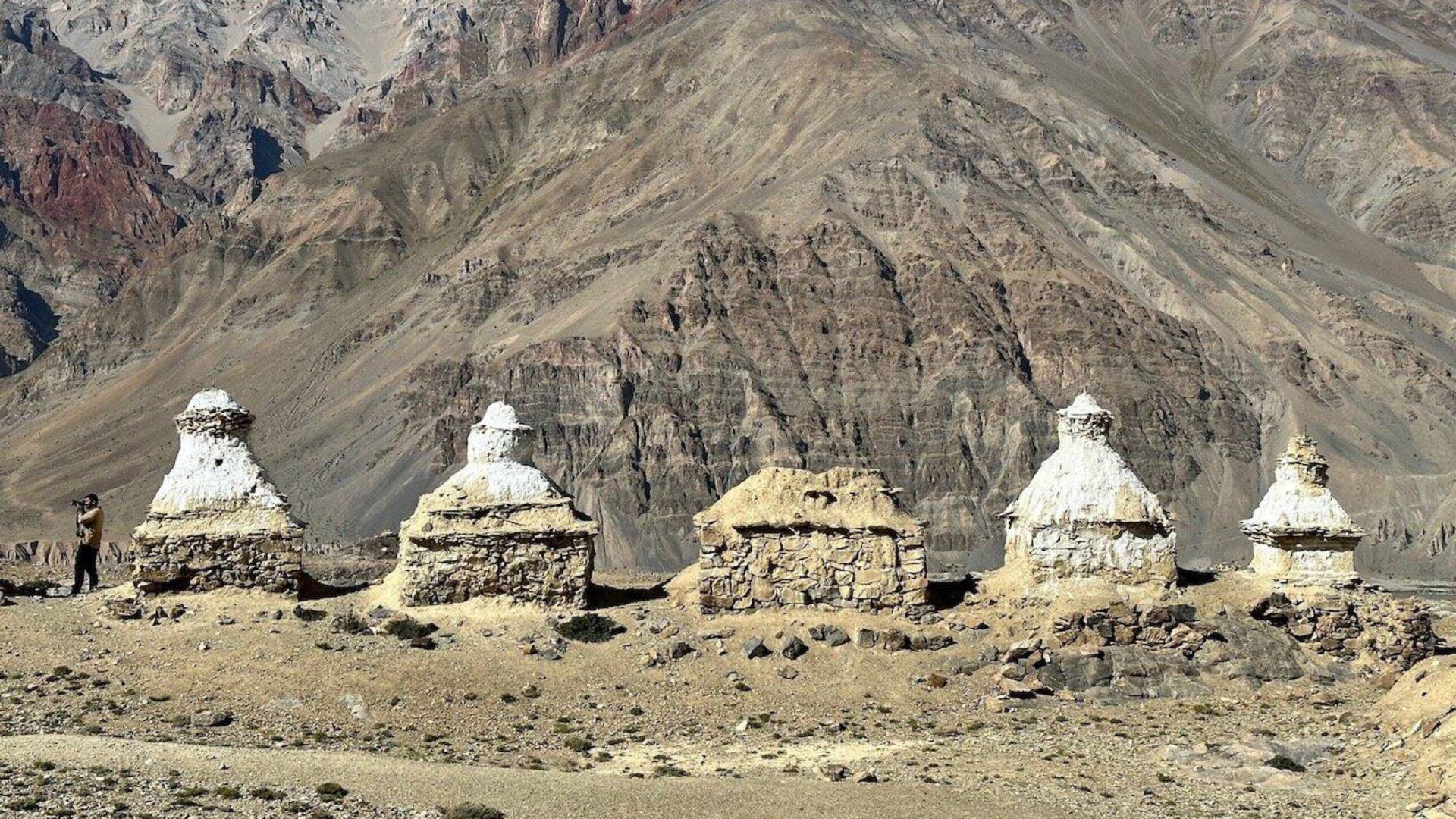
One of the religious traditions associated with Charasa concerns Panchen Lhatsun, whose remains are believed to be preserved at different locations across Nubra. Born in Udmaru, he travelled to Tibet for religious studies and later returned to Nubra to spread Buddhist teachings. His final days are described through different local accounts.
One account states that he disappeared during a visit to Hundar. His body was later found in the river near Charasa. According to the story, it had floated upstream against the direction of the current. Another oral account connects the incident with an attack by raiders from Baltistan. It is said that the monastery or stupa associated with his remains was damaged during the attack, and his body was thrown into the water. However, the body reportedly returned instead of being carried away by the current.
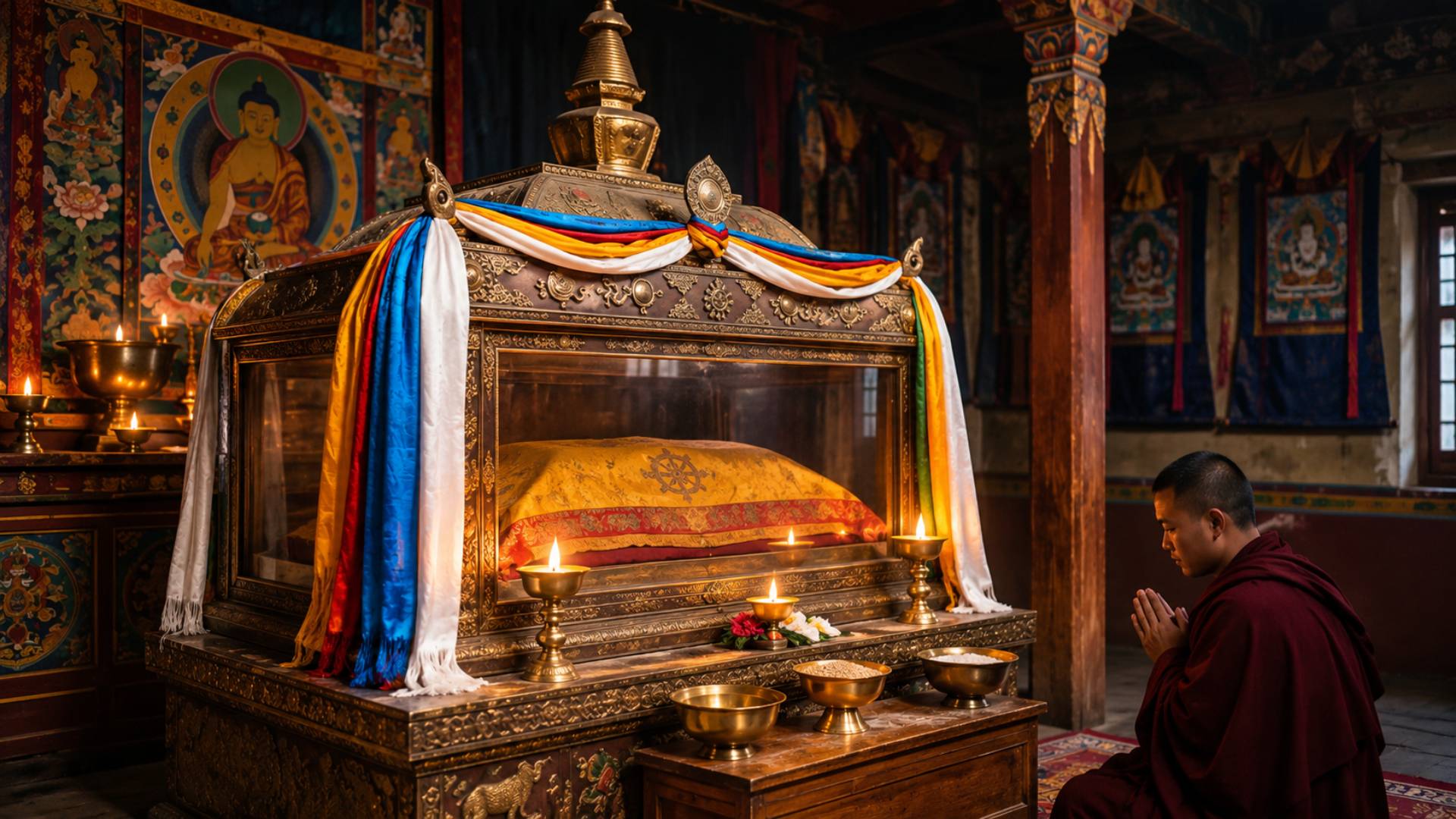
The remains were subsequently recovered and divided. According to the tradition shared in Nubra, the ruler of Tangyar received the upper portion, while Charasa retained the lower portion. Today, his head is associated with Gurgon Monastery in Tangyar, while the lower portion is preserved in a stupa at Charasa. Other historical accounts also associate relics with Tsemo Hill in Leh.
During a reported visit by Tiksé Rinpoche, the preserved remains were displayed and blessed for the people of Nubra. Local accounts state that the covering was removed and the remains appeared to retain some moisture. They were subsequently placed in a glass enclosure before being returned inside the stupa. The exact dates and details vary between accounts. The relics continue to be revered by people in the region.
Tangyar’s Sacred Connection
Located a short distance from Charasa, Tangyar has its own history and religious traditions. The village is associated with the story of Panchen Lhatsun because Gurgon Monastery is believed to preserve his head. The connection between Charasa and Tangyar forms part of a shared religious history that continues across generations.
Nubra also has traditions concerning sacred footprints attributed to revered spiritual figures. Such footprints are found at several locations, including Murgi, Tangyar and Charasa. These traditions are separate from the relic story of Panchen Lhatsun. Both form part of the religious history of the valley.
Tangyar is also associated with Kurgon, its protective deity, whose story is connected with Charasa’s guardian deity, Spao Stadin.
The Battle of Two Deities
At the entrance to Charasa lies an area marked by deep fissures and cracks, locally known as Serga. Geological explanations associate these formations with an earthquake in the past. Similar, though less pronounced, cracks are found around neighbouring villages such as Burma and Phukpoche. Local folklore provides another explanation for their formation.
According to the story, Kurgon, the protective deity of Tangyar, once engaged in a magical battle with Charasa’s guardian deity, Spao Stadin. The conflict reportedly began when Spao Stadin cast a spell that divided Tangyar into three parts. In retaliation, Kurgon attacked Charasa by striking the ground with a powerful magical force. This is believed to have created the fissures now visible at Serga.
As Kurgon advanced towards the palace, Spao Stadin is said to have diverted him towards an open field, protecting the royal residence from the attack. The account continues to be shared through local oral traditions. The landscape also gave its name to the village’s Serga Festival, which features archery, traditional music, folk dances, crafts and local cuisine.
The Art of Ladakhi Locksmithing
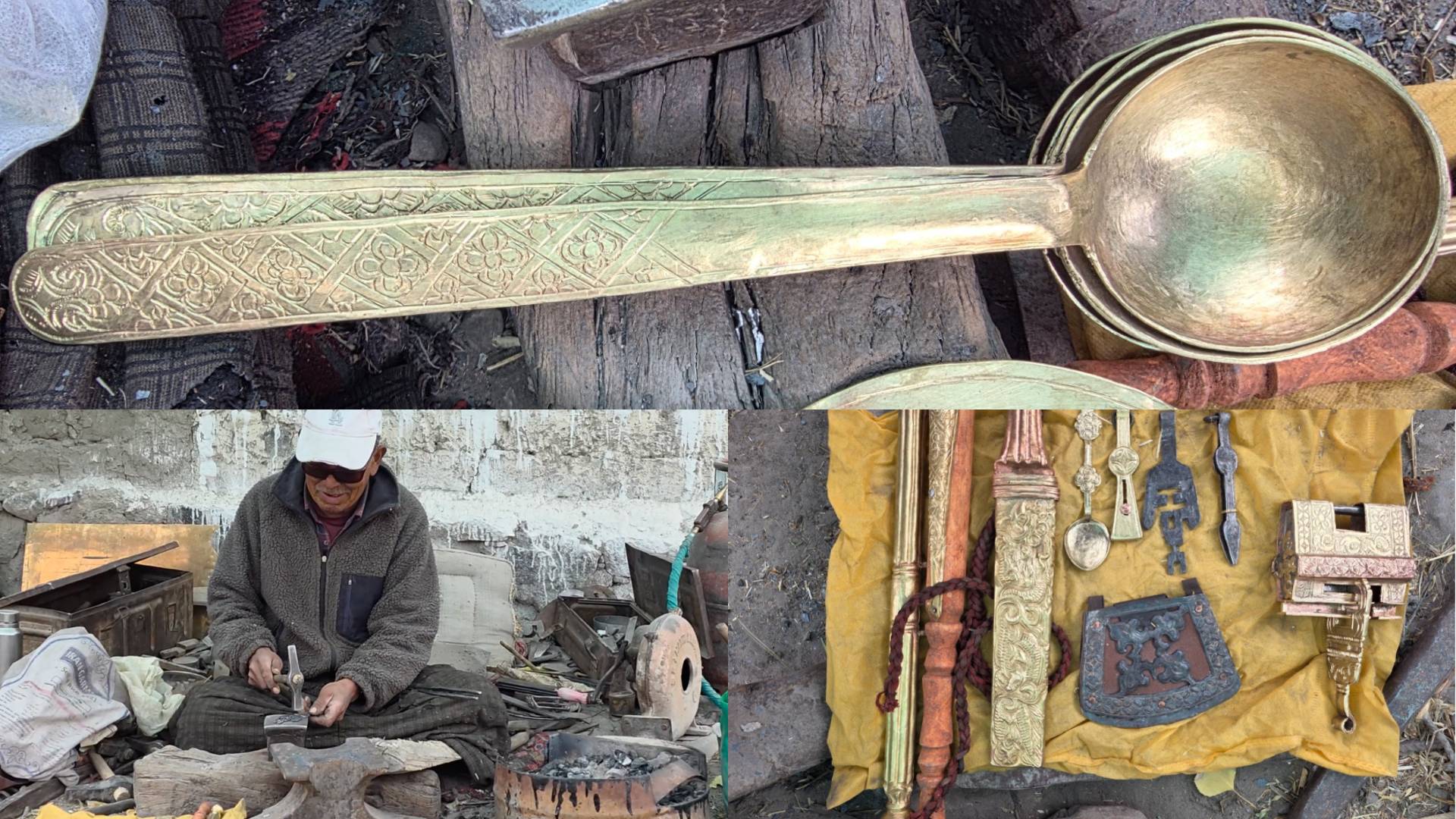
Charasa’s history also includes traditional craftsmanship. One example is the practice of making traditional locks, a skill passed down through generations of local families. These locks were commonly used in old Ladakhi houses, monasteries and forts. They formed part of traditional architecture and were used to secure residential and religious buildings.
Making them required precision and an understanding of how individual metal components could be shaped and fitted together to create a working mechanism. With the growing use of manufactured locks and modern fittings, traditional locksmithing has become increasingly rare. The knowledge is still carried by families who continue to practise the craft.
In Charasa, the practice also connects present-day artisans with the village’s old palace structures and architectural history.
Rituals of a Royal Village
Several structures in Charasa reflect the relationship between village life and its religious institutions. One such structure is Thu-gu’i Manekhang, which literally means the prayer hall for children. According to local accounts, it was built during a period when infant mortality was high.
A monk advised villagers to construct a prayer hall that would stand neither directly on the ground nor in the air. The original structure was built on wooden pillars, giving it the appearance of being suspended. The building was later dismantled and reconstructed in 1999. Its sacred statue of Avalokiteshvara remains in place above a passageway, allowing people walking underneath to receive its blessing.
At the uppermost level of the palace stands Phala Kangzu, the altar dedicated to the king’s protective deity. It was once an important part of the village’s Losar preparations and associated rituals. The annual consecration traditionally took place on the eleventh day of the eleventh month of the Tibetan calendar. Juniper was offered as incense, and members of the village participated in ceremonies connected with the royal protector.
Some of these older practices have changed or disappeared over time. Their accounts remain part of Charasa’s local history. The village also has a tradition of folk music. Songs such as Kharpoche Khar preserve accounts of the palace, its surroundings and the people who once lived within its walls.
The Stories Charasa Preserves
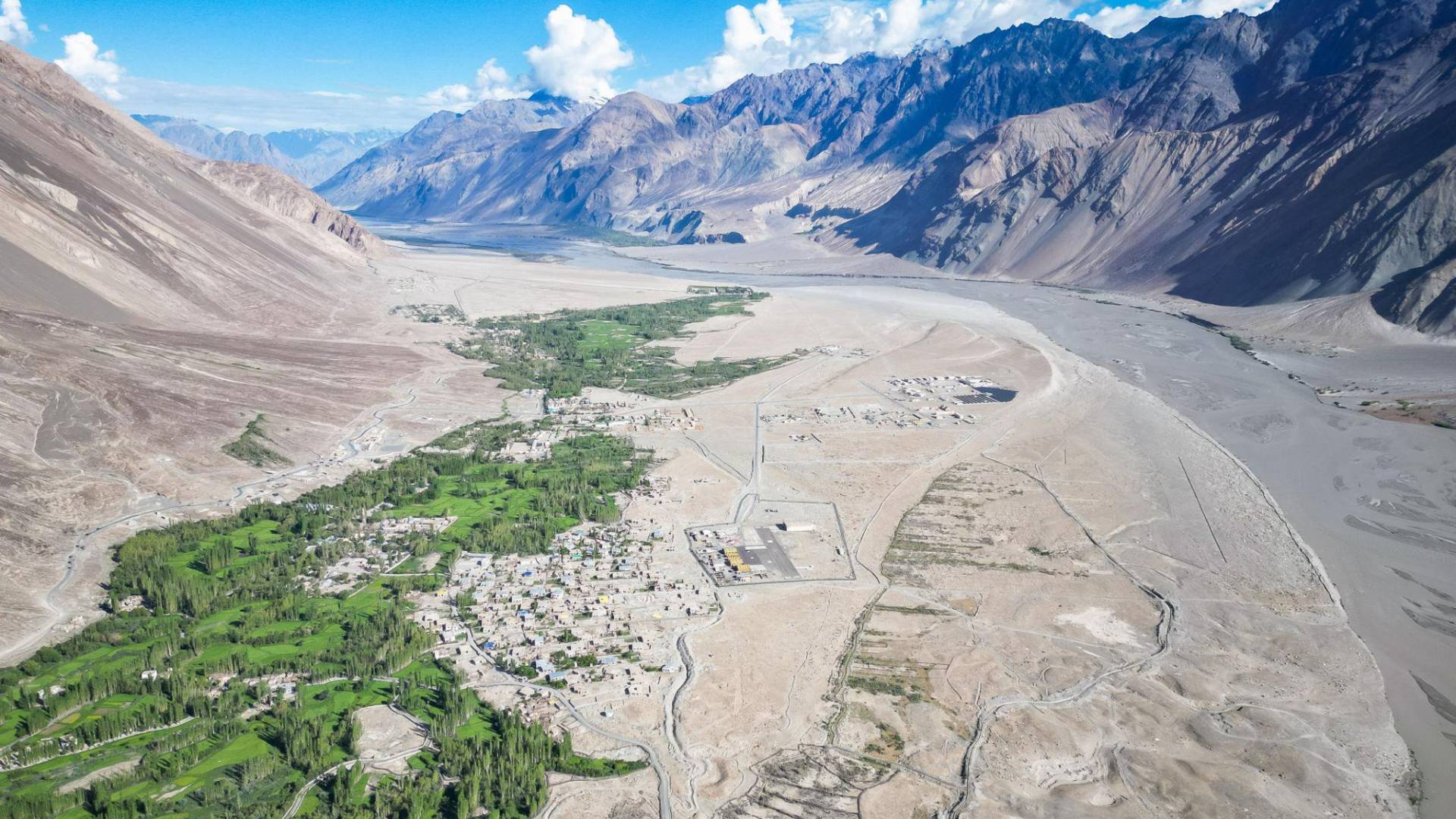
Charasa’s history is closely connected with the political and religious development of Nubra. Its iron deposits supported metalworking, while its location made it the winter residence of the Ladakhi king and, for a period, the capital of the valley. The two monasteries represent different Buddhist traditions. The story of Panchen Lhatsun connects Charasa with Tangyar and other religious sites across Ladakh. Local accounts of Kurgon and Spao Stadin explain the landscape through folklore, while traditional locksmithing reflects the skills passed down within local families.
Much of this history survives through oral accounts and local practices. Families who once served the royal household, residents who continue to support monastery rituals and craftsmen who practise inherited skills remain connected to the village’s past. Recording these accounts is important for understanding Charasa’s history. The physical structures tell only part of the story; local memories and inherited knowledge provide further details about the people and institutions that shaped the settlement.
Charasa’s past extends beyond its association with the Silk Route and Nubra’s trading history. Its former role as a royal residence, its monasteries and the traditions of its people form an important part of Ladakh’s regional history.
Nubra’s Silk Route history, ancient settlements, forgotten heritage and untold stories.