Local Folklores of Ladakh

Exploring the legends and local beliefs that offer a different perspective on Ladakh’s landscapes and communities.

08 JUN 2026 · 6 MIN READ
The dramatic mountain landscapes that inspire Ladakh's folklore.
The dramatic mountain landscapes that inspire Ladakh's folklore

Ladakh is often known for its monasteries, high mountain passes, remote villages and vast landscapes. Yet beyond its geography lies another world, steeped in folklore and oral traditions. Across valleys, rivers, monasteries and mountain trails, local folklore continues to live through stories passed down across generations.


These stories are not simply tales told for entertainment. They reflect how people have understood their surroundings for generations. From sacred rivers and mountain guardians to mysterious creatures and prophetic traditions, Ladakh’s folklore offers a deeper way to understand the region and its cultural heritage.

Why Folklore Matters

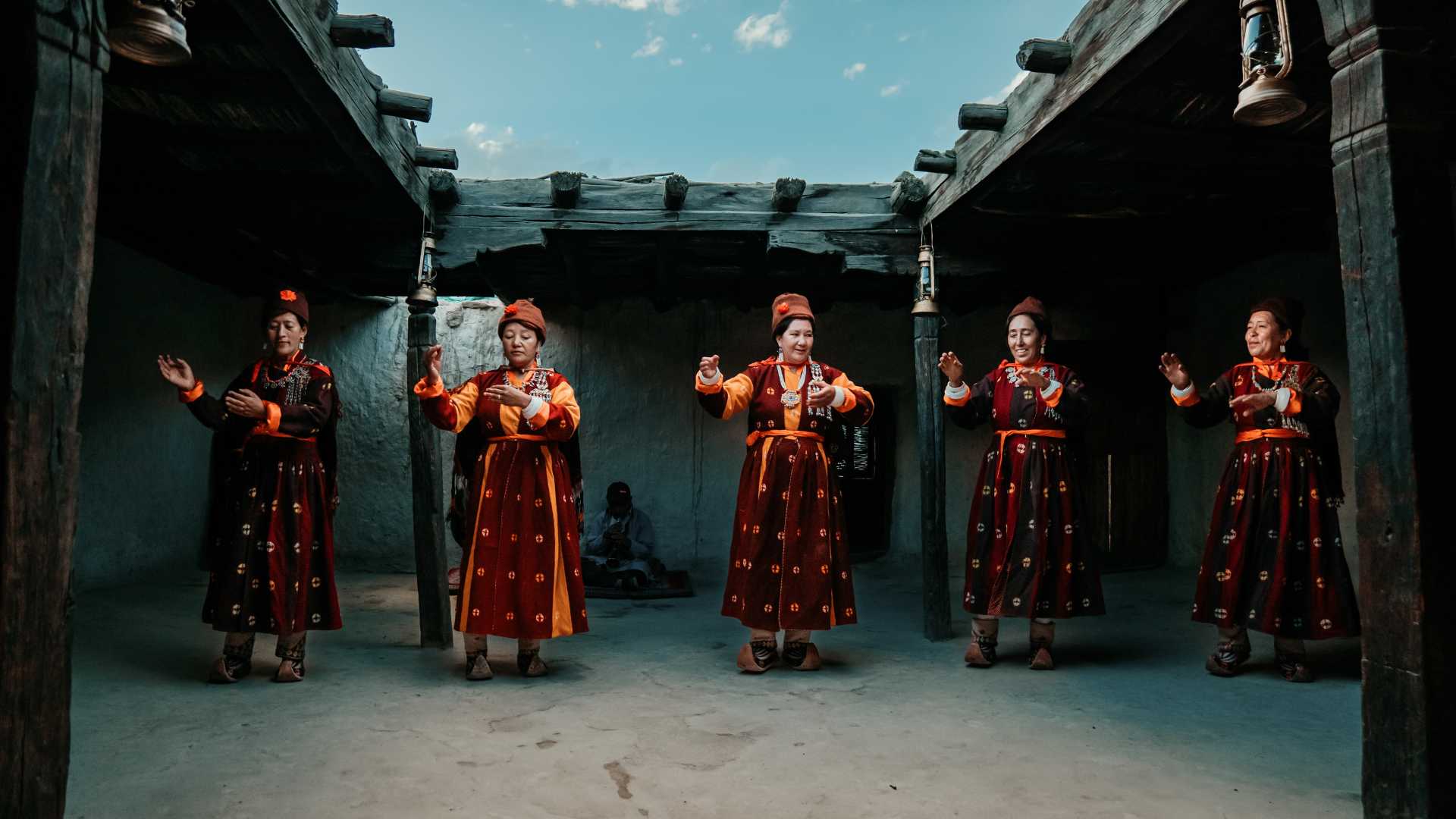
Traditional dance celebrating Kyagar's cultural and trade heritage.
Traditional dance celebrating Kyagar's cultural and trade heritage

For centuries, Ladakh’s communities lived in remote villages connected by trade routes, pilgrimage paths and seasonal migrations. In a landscape where nature often influenced daily life, stories helped people explain unfamiliar events, share knowledge and pass traditions from one generation to the next.


Many of these stories are connected to mountains, lakes, rivers and monasteries. Some come from Buddhist traditions, while others are linked to beliefs that existed long before Buddhism arrived in the region. Together, they offer insights into how people understood their surroundings and passed down cultural knowledge over time.

Guru Nanak and the Legend of Pathar Sahib

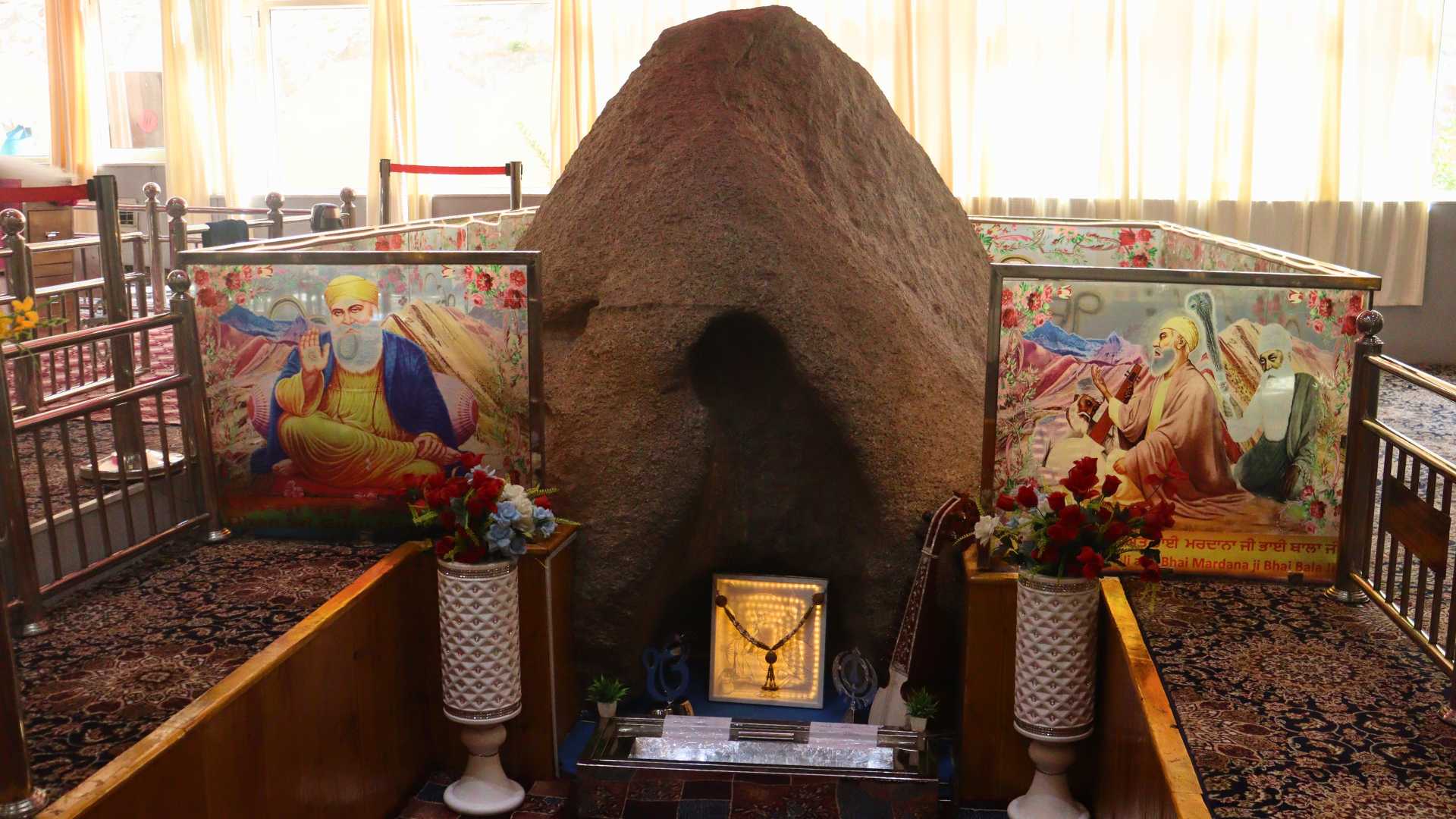
Gurudwara Pathar Sahib, associated with Guru Nanak's local legend

One of Ladakh’s most widely known stories is associated with Gurudwara Pathar Sahib. According to local tradition, Guru Nanak passed through the region during his travels. It is said that a demon, angered by his teachings, rolled a large boulder down a hill towards him. Instead of causing harm, the rock is believed to have softened upon contact with the Guru, leaving an impression on its surface.


Today, Gurudwara Pathar Sahib remains an important place of worship for many visitors and pilgrims. The story continues to be shared as a reminder of faith and compassion.

The Creation of the Zanskar River

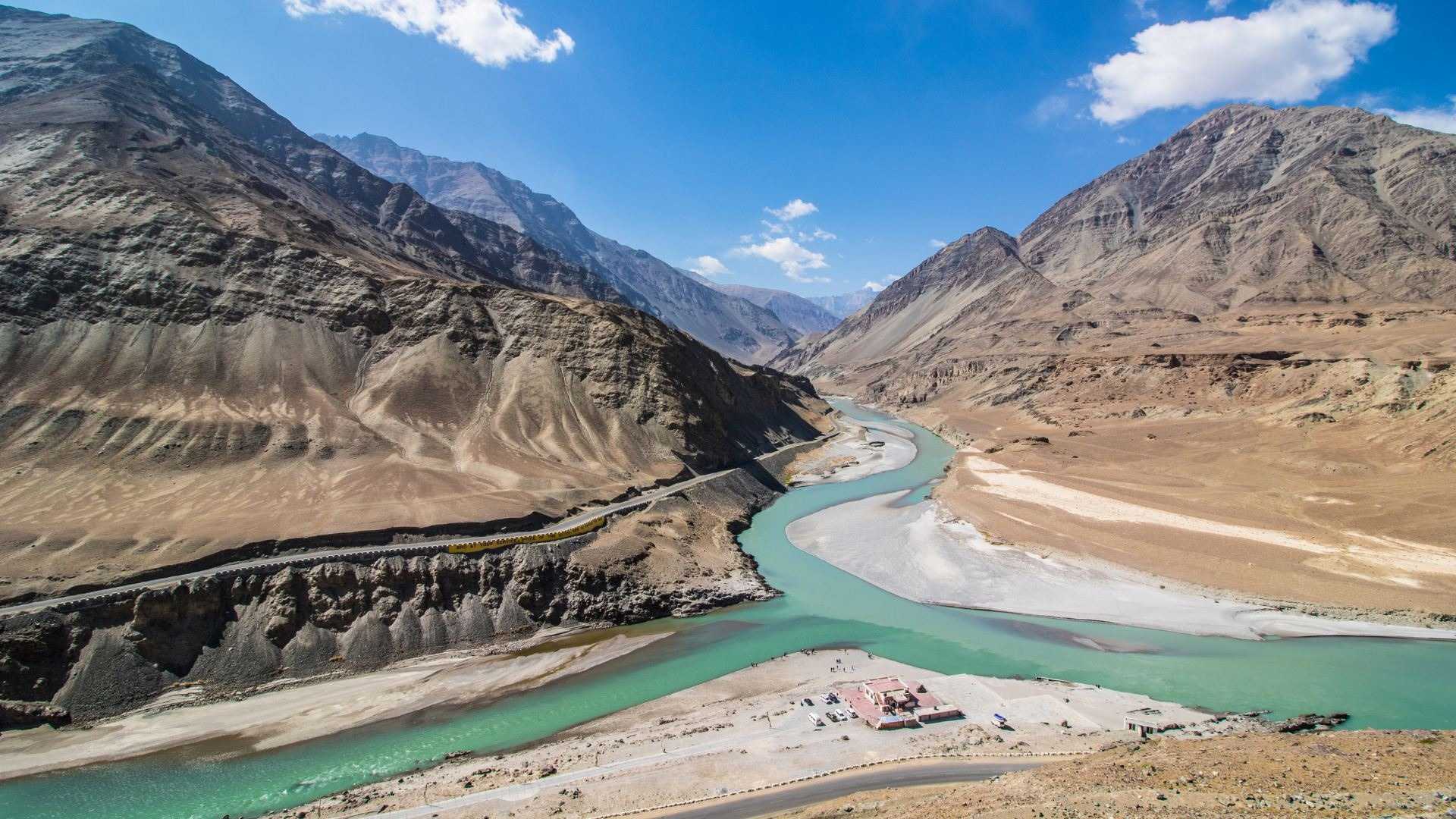
The meeting point of the Indus and Zanskar river

The rivers of Ladakh are not only geographical features, they also appear in local mythology.


One story associated with the Zanskar River traces its origins to ancient Hindu traditions. According to the legend, a demon named Jalodbhava imprisoned sacred waters beneath the earth. To free them, Lord Vishnu took the form of a powerful warrior and fought the demon. When the battle ended, the imprisoned waters burst forth, creating what is now known as the Zanskar River.


Whether viewed as mythology or symbolism, the story reflects the importance of water in a region where rivers have always sustained life.

The Brokpa Legends of Aryan Villages

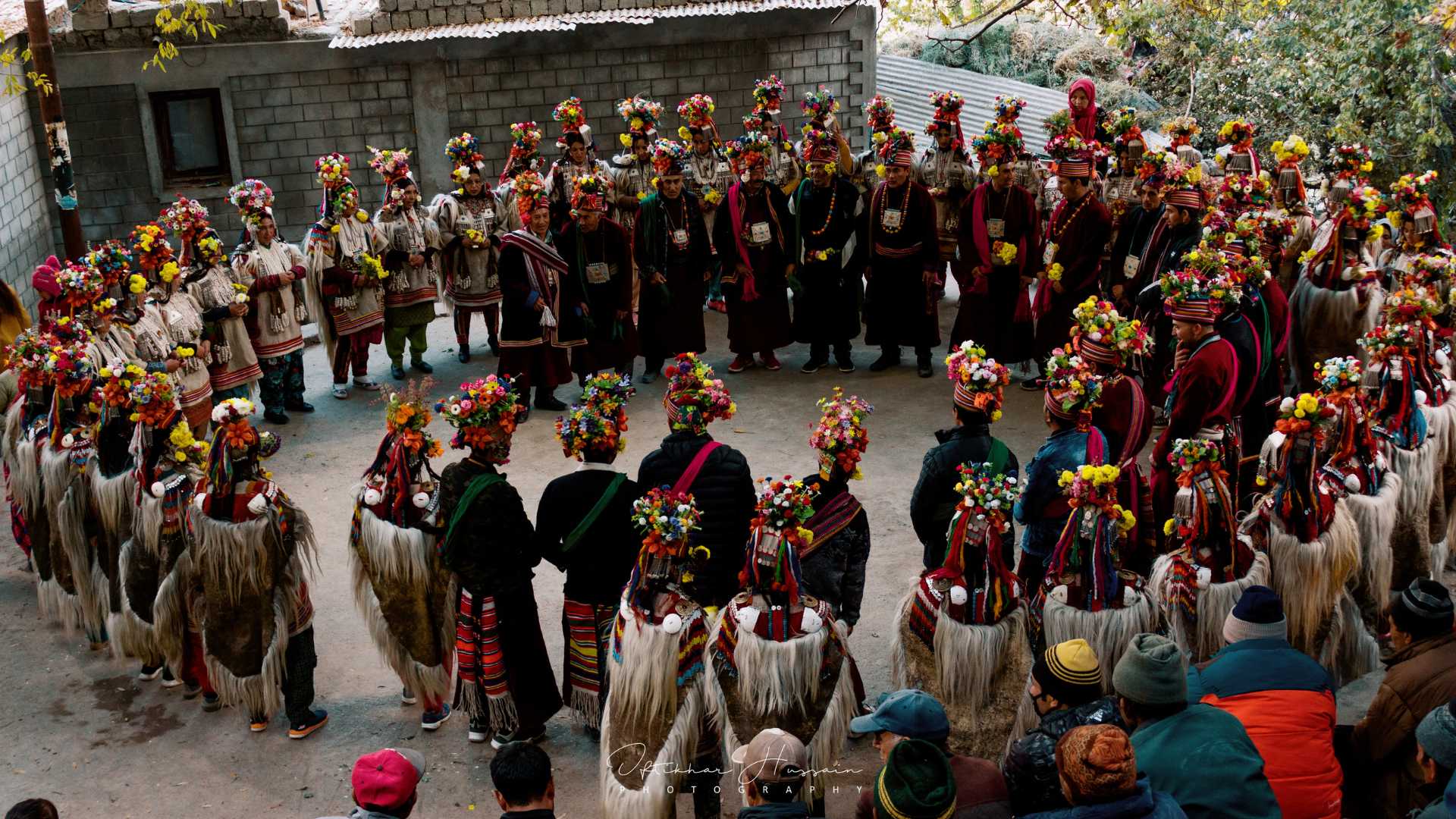
Traditional Brokpa community dance performed in Garkone Village

In the villages of Darchik and nearby settlements, the Brokpa community preserves a distinct cultural identity through traditions and local legends. One widely discussed belief suggests that the community descends from ancient populations that settled in the region thousands of years ago. Over time, these stories evolved into broader narratives connecting the Brokpa people with ancient migrations and historical encounters.


Regardless of historical debates, these legends remain important because they help communities preserve their identity and cultural memory.

The Giant Who Created Nubra Valley

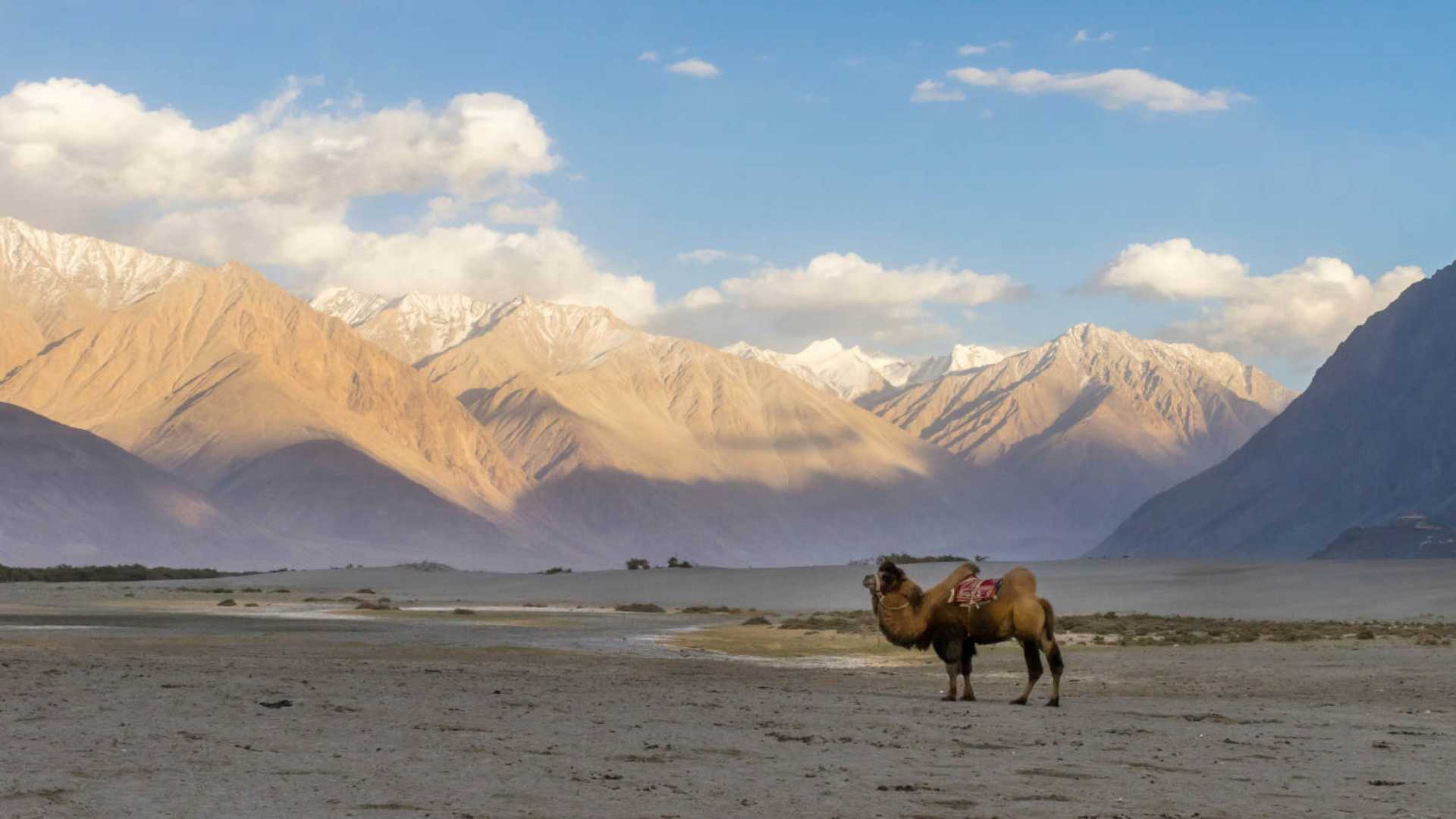
Bactrian camels in Nubra Valley, once part of Silk Route trade

The fertile stretches of the Nubra Valley have inspired generations of storytelling. One local tale speaks of a giant who carved the valley with his bare hands to create a home for himself. Once the valley was formed, he invited animals, plants and other creatures to live there. According to the story, this is why the region is known for its diversity despite being surrounded by some of the world’s highest mountains.
While clearly mythical, the legend highlights the unique ecological character of Nubra and the close relationship between local communities and their environment.

Pangong Tso and the Dragon Horse

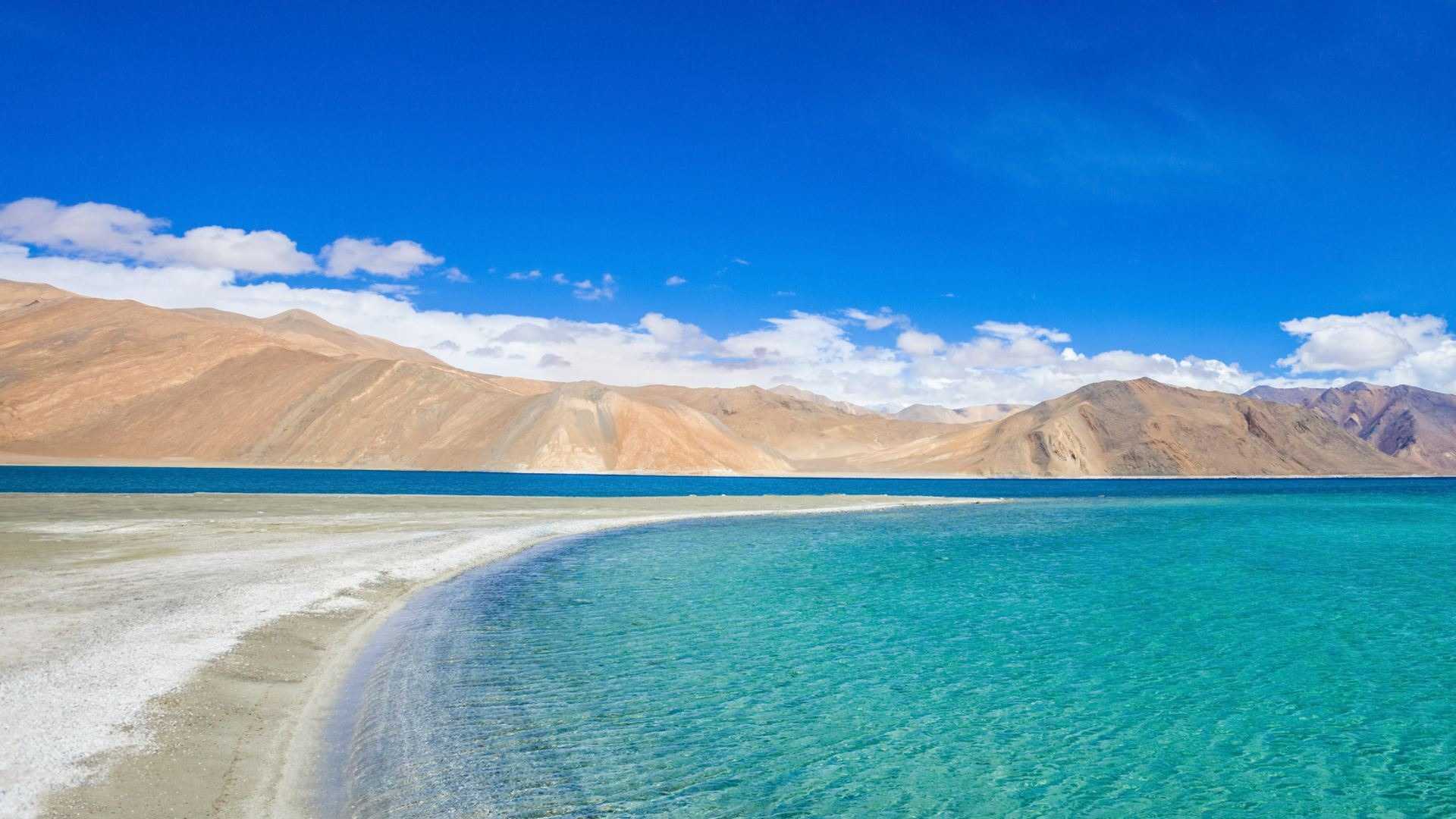
Pangong Lake: Pangong Lake, associated with the legend of the Dragon Horse

The famous Pangong Tso is associated with several stories, one of the most fascinating being the legend of the Dragon Horse.


The creature was believed to possess the power to control rain and snowfall, ensuring that the land remained fertile and balanced. According to the story, hunters killed the Dragon Horse out of greed, leading to a devastating drought. Realizing their mistake, local communities built a shrine and offered prayers until the creature’s blessings gradually returned to the region.


The story serves as a reminder of the relationship between people and nature, emphasizing respect rather than exploitation

The Mystery of the Yeti

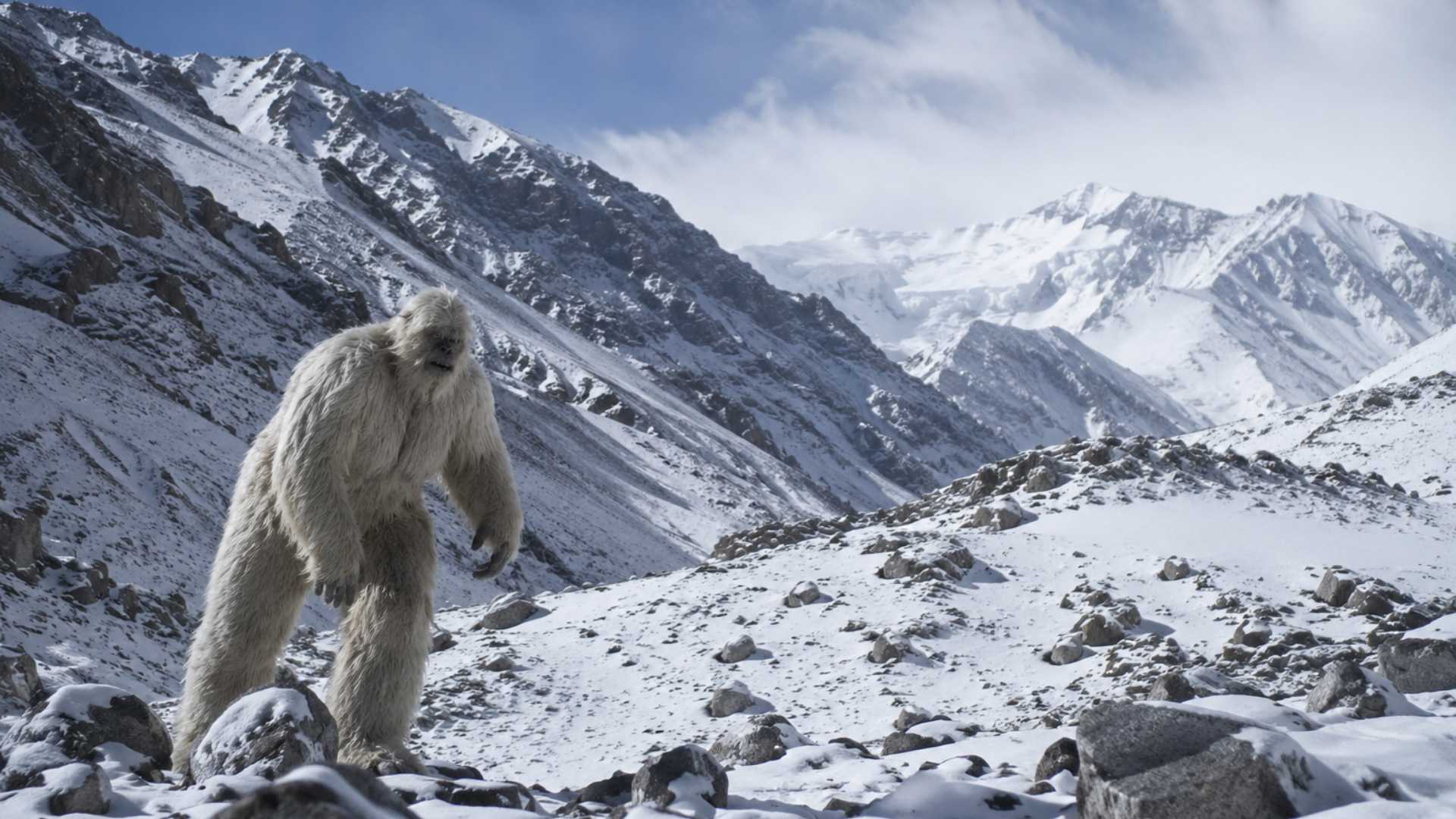
Artistic representation of the legendary Yeti of Ladakh

Few legends capture the imagination quite like the Yeti. Across the Himalayan region, stories of a large, human-like creature have existed for generations. In Ladakh, accounts describe a mysterious being living in remote mountain areas, rarely seen but frequently discussed.


Some believe the Yeti protects isolated valleys and sacred spaces. Others see it as a symbol of the vast unknown that still exists in high-altitude wilderness. While no evidence has conclusively proven its existence, stories of unusual footprints and unexplained encounters continue to be shared among locals, trekkers and travelers. The enduring fascination with the Yeti demonstrates how folklore often survives not because it is proven, but because it continues to spark curiosity.

More Than Just Stories

The stories of Ladakh are closely connected to its landscapes, religious traditions and local communities. From the legend of Pathar Sahib and the story of the Zanskar River to the Dragon Horse of Pangong, the Yeti and the traditions of the Brokpa community, these narratives have been passed down through generations in different parts of the region.


While some stories are linked to faith and others to nature, all of them offer insight into how people have understood their surroundings and preserved local traditions over time. For visitors, these stories provide another way to learn about Ladakh beyond its monasteries, lakes and mountain passes.


Whether viewed as folklore, belief or oral history, these narratives remain an important part of Ladakh’s cultural heritage and continue to be shared across communities today.

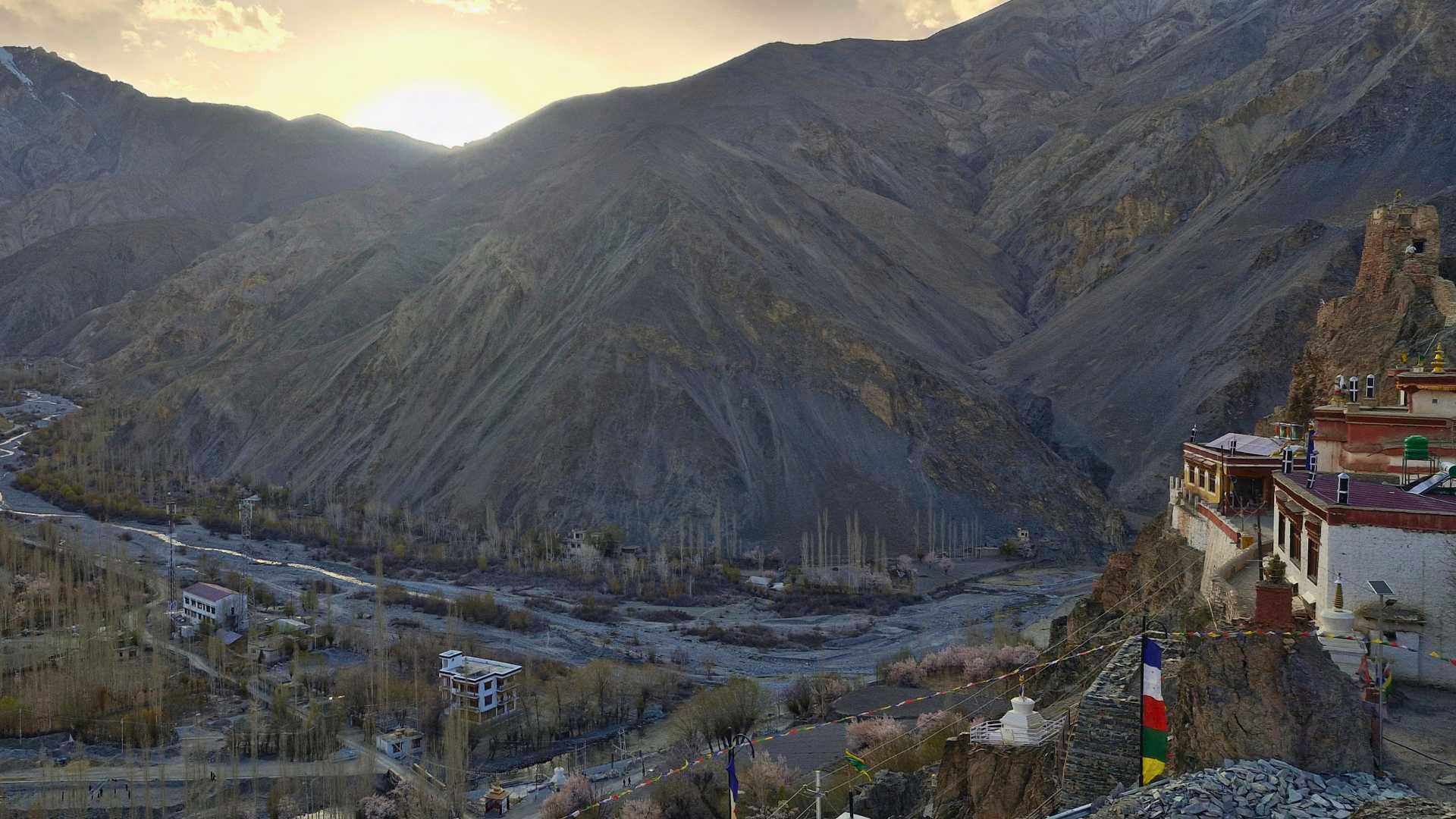
Learn about the local legends and celestial stories connected to Ladakh’s night sky.

Leave a Reply

Your email address will not be published. Required fields are marked *


×

Share this blog

whatsapp