
REZANG LA 1962:
INDIA’S MOUNTAIN OF VALOR
Rezang La is a place of unmatched bravery in Eastern Ladakh, where 120 soldiers of 13 Kumaon made a heroic last stand in 1962
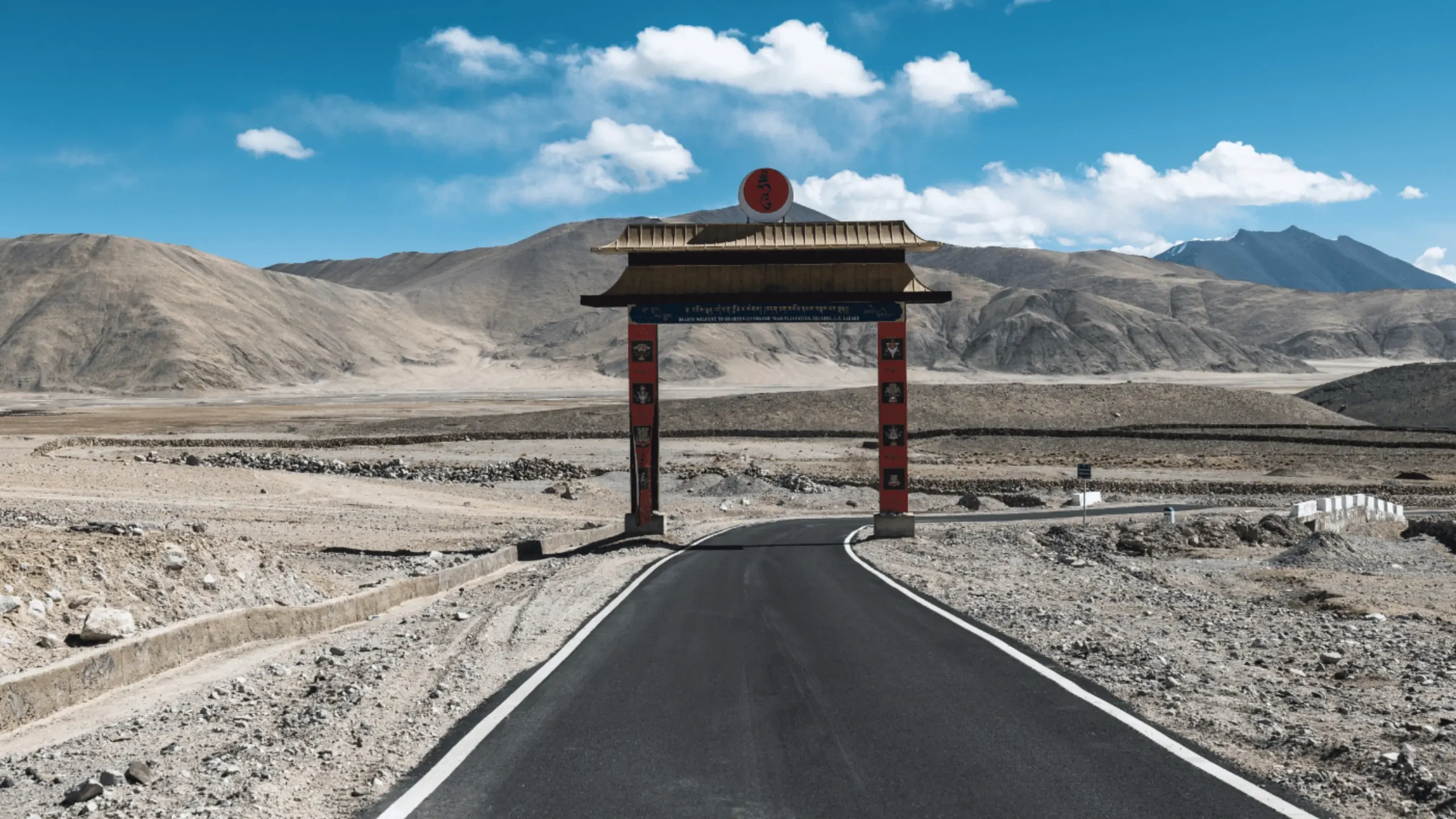
High in the rugged mountains of Eastern Ladakh where icy winds sweep across barren valleys stands a memorial that tells a story of unmatched bravery, the Battle of Rezang La. For those who travel to Ladakh seeking not just its breathtaking landscapes but also its spirit, Rezang La is a place where history and heroism meet at 16,000 feet.
INDIA AND CHINA ON THE EDGE
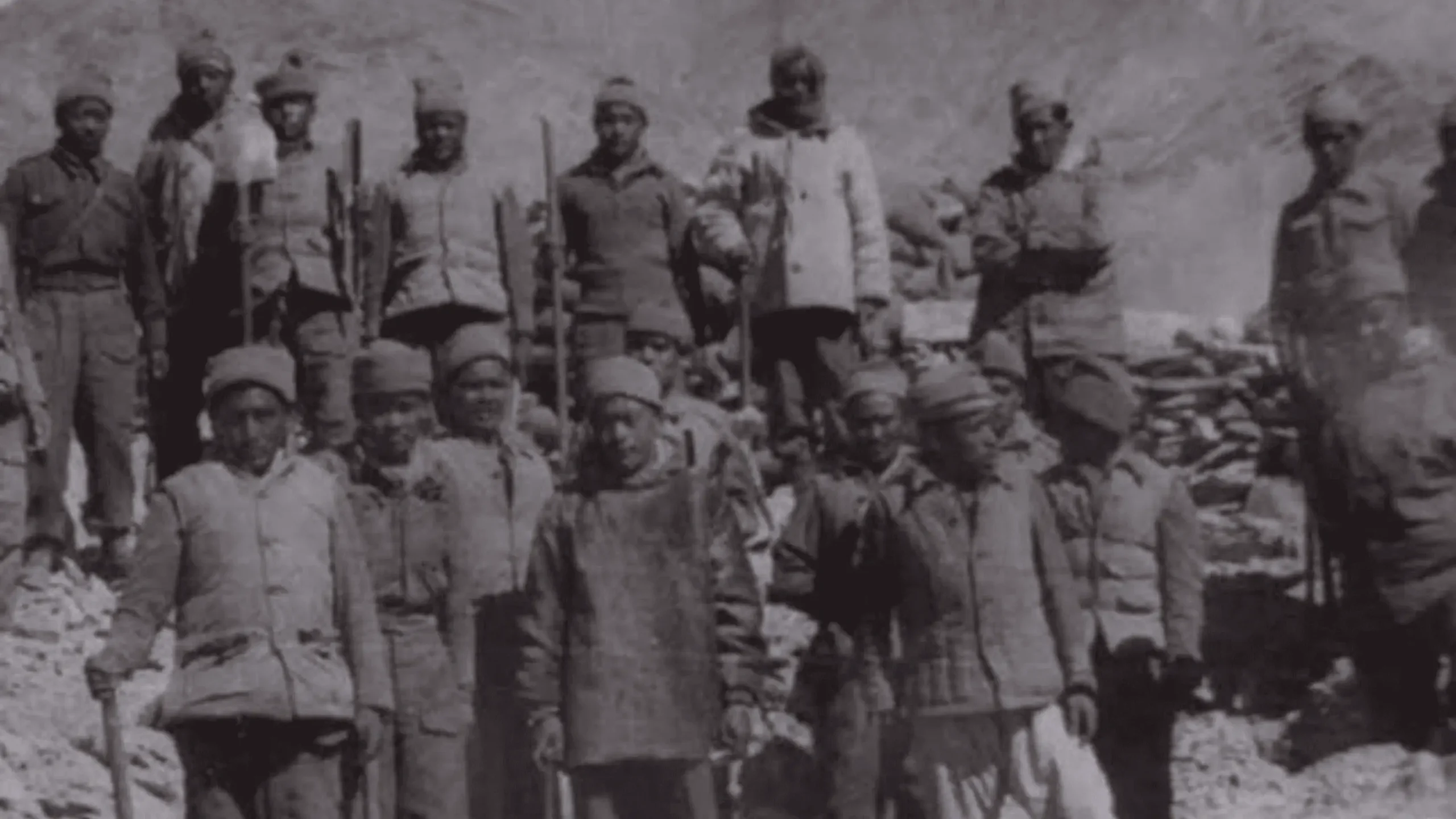
The Battle of Rezang La took place during the India–China War of 1962, one of the most significant conflicts in India’s post-independence history. Until the early 1950s, Tibet acted as a natural buffer between India and China. That changed when China occupied Tibet in 1951 and began asserting control over the region. In 1954, India and China signed the Panchsheel Agreement, the Five Principles of Peaceful Coexistence, promising mutual respect for sovereignty, non-aggression and peaceful coexistence. But these principles soon gave way to mistrust. China started building roads into Tibet from Sinkiang and began publishing maps that claimed India’s Aksai Chin and large parts of the area south of the McMahon Line as Chinese territory. India’s Forward Policy of 1960 aimed to prevent Chinese incursions by establishing small Indian posts near the border. The policy assumed China would avoid attacking Indian positions. However, tensions only grew. By mid-1962, Chinese forces were strengthening their presence and infrastructure near the border.
On 20 October 1962, the Chinese Army launched a full-scale attack on both the eastern and western sectors, ending hopes of a diplomatic resolution. The stage was set for one of the most heroic stands in modern military history, at Rezang La.
A REMOTE PASS IN EASTERN LADAKH
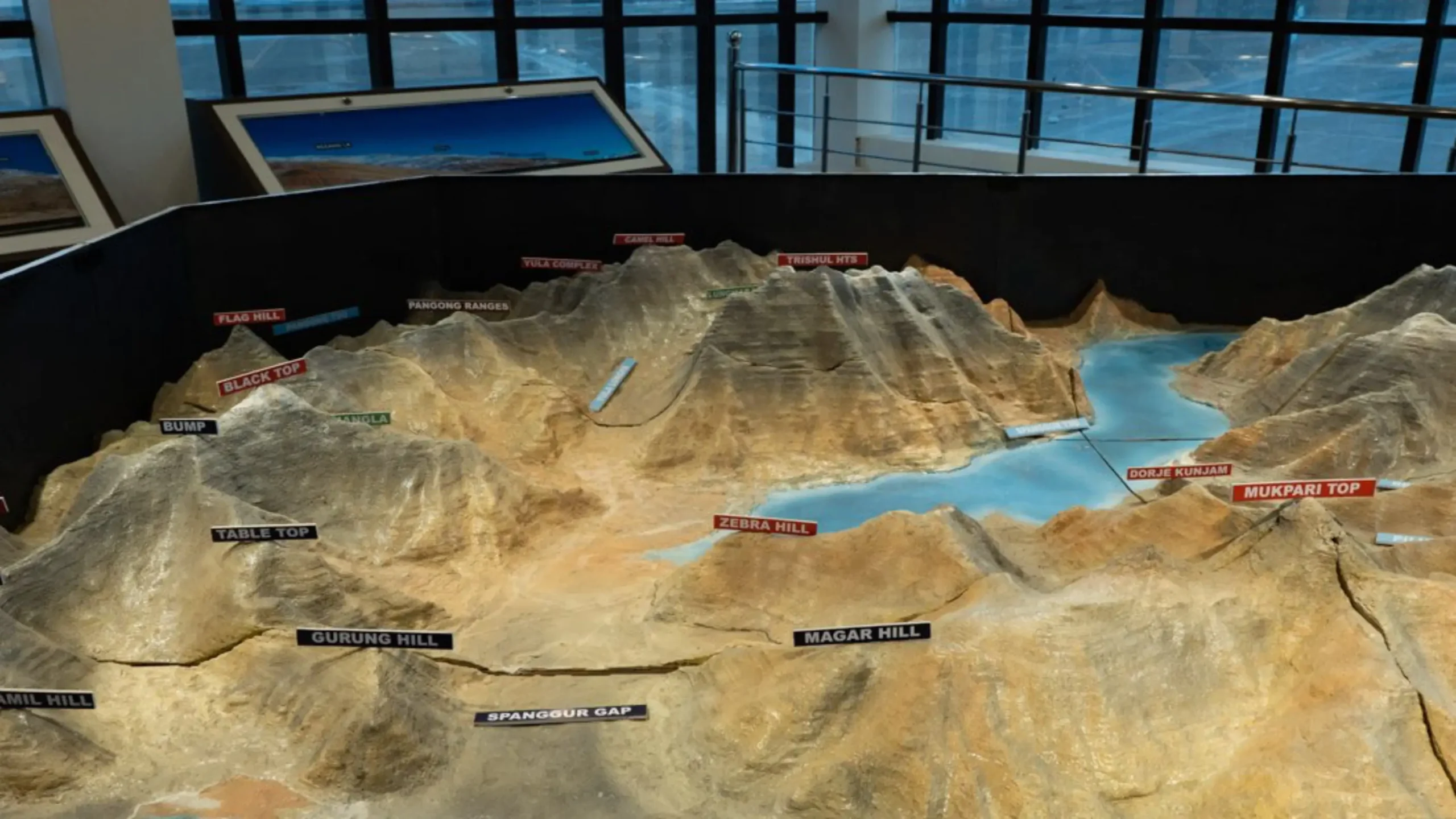
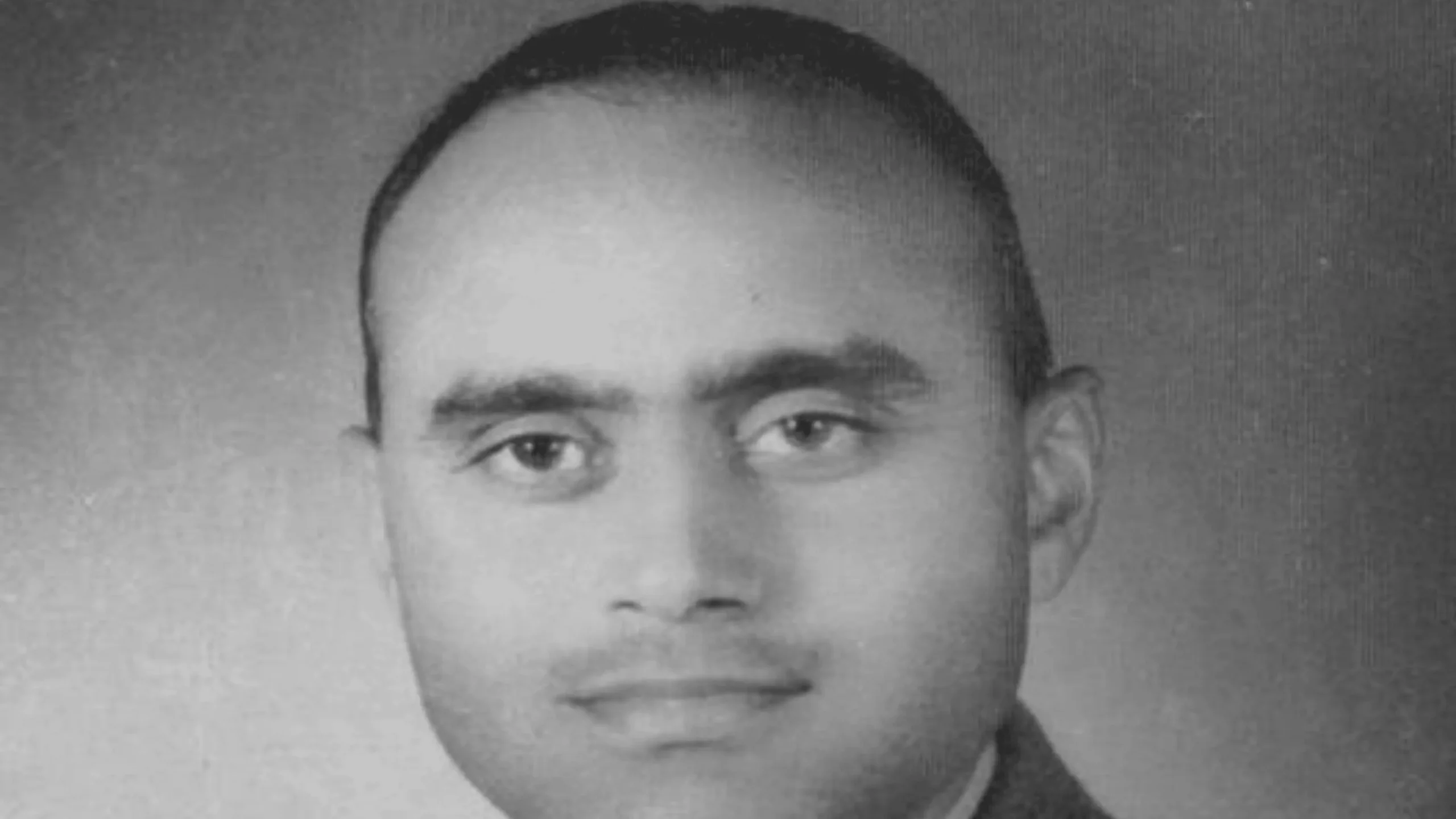
Rezang La is located about 19 miles south of Chushul in the Kailash Range, guarding the southeastern approach to the Chushul Valley. The terrain is harsh, freezing temperatures, thin air and no natural cover. Yet it was here that C Company of 13 Kumaon Regiment, under the command of PVC Major Shaitan Singh, took their position to defend India’s frontier.
At the time, the 13 Kumaon Regiment formed part of the 120 Infantry Brigade, commanded by Brigadier (later General) T. N. Raina. The Regiment, known for its rich history and gallant traditions, was manned mainly by Ahir soldiers from Haryana and Kumaonis from Uttarakhand. Their total strength at Rezang La was 120 soldiers, equipped with light weapons and limited artillery support, facing an enemy that vastly outnumbered them.
THE BATTLE OF REZANG LA
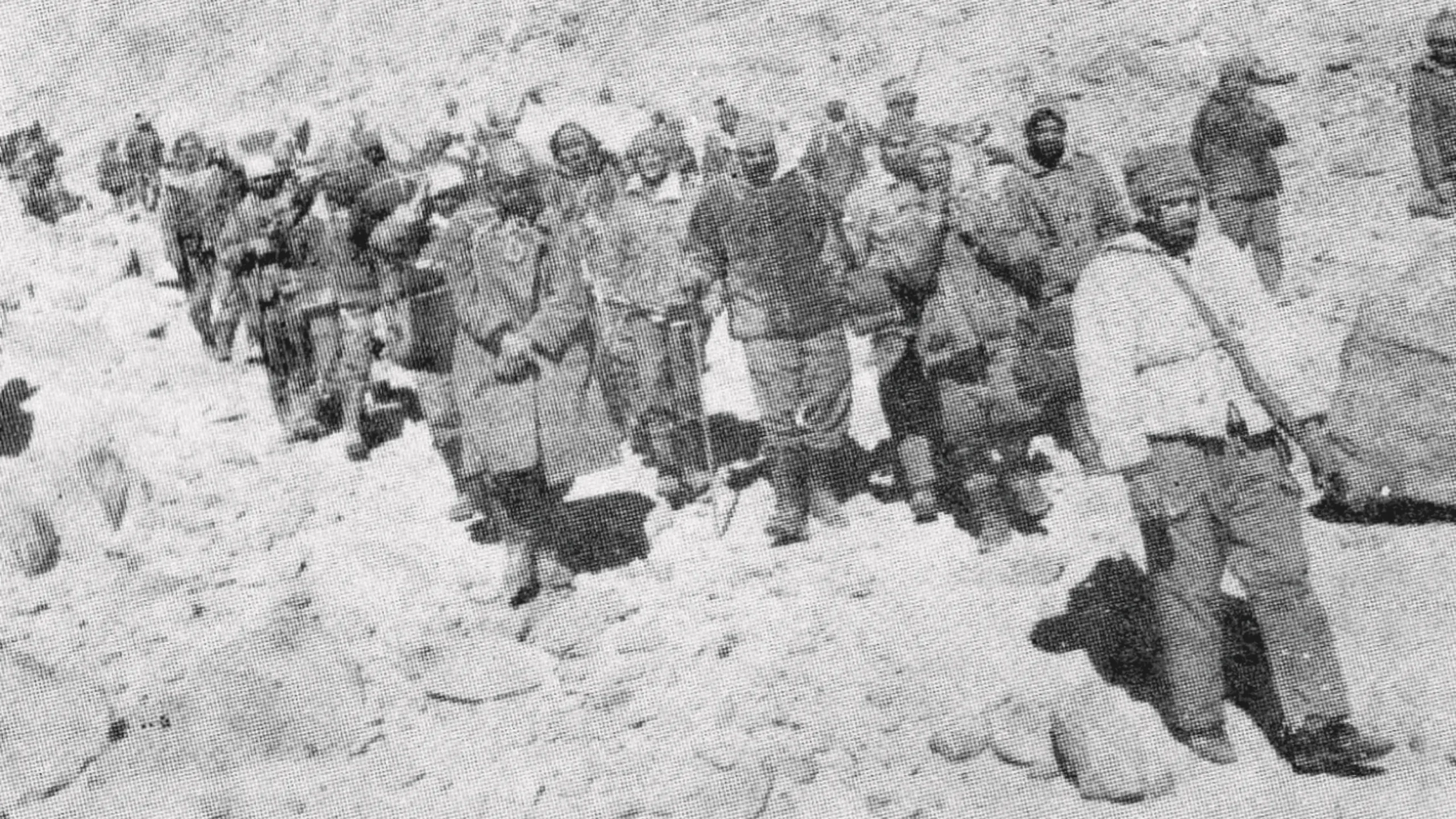
The first phase of the Chinese offensive in the Ladakh sector ended on 28 October 1962, after they had captured several Indian posts. A brief lull followed, during which Indian forces prepared to defend Chushul. Then came the second wave.
Before dawn on 18 November 1962, a patrol from C Company detected movement, the Chinese were assembling for an attack. At 4:00 a.m., the battle began. Waves of Chinese troops advanced, attacking from multiple directions under heavy artillery and mortar fire.
The soldiers of 13 Kumaon held their ground with remarkable determination. The first wave was repulsed. The second and third waves came with increased intensity, supported by artillery barrages. Despite being outnumbered and outgunned, the Indian troops fought on, repelling each assault. PVC Major Shaitan Singh moved from bunker to bunker, reorganizing defenses, manning light machine guns and boosting his soldiers’ morale even after being seriously wounded. When the Chinese finally overran some forward positions, soldiers engaged in hand-to-hand combat, refusing to surrender.
Sepoy Dharam Pal Dahiya, a medical orderly, was found later clutching a morphine syringe and a bandage in his hand, a symbol of duty till the last breath. Naik Sahi Ram waited for the Chinese to regroup before unleashing his machine gun, inflicting heavy casualties. Every man at Rezang La fought to the last round. By nightfall, silence returned to the battlefield. Out of 120 defenders, 114 soldiers of C Company were martyred. But their sacrifice stopped the Chinese advance toward Chushul. The Chushul airfield remained in Indian hands, a turning point that prevented further occupation of Ladakh.
AFTERMATH AND LEGACY
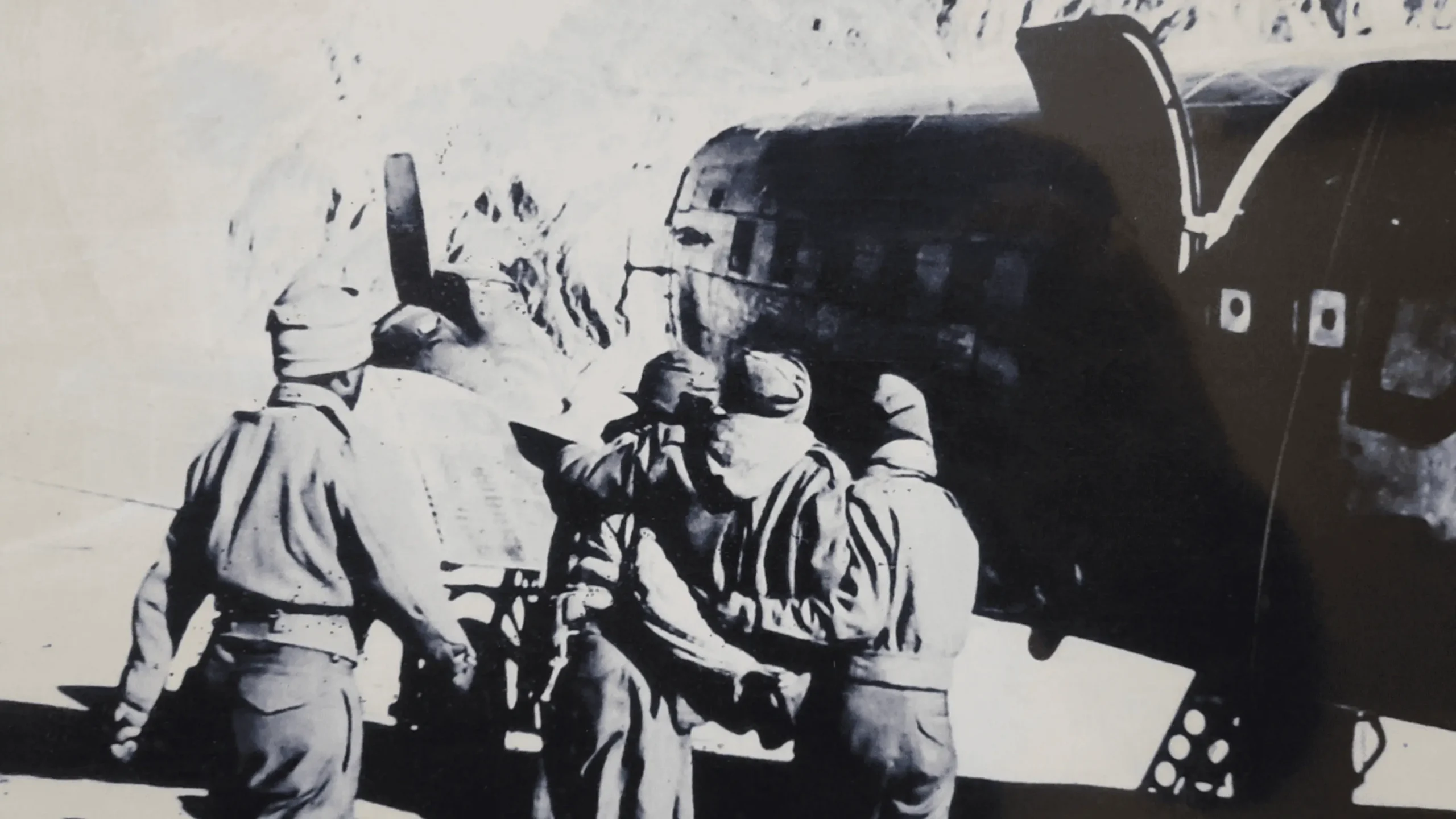
The Battle of Rezang La stands as a unique chapter in military history, a fight “to the last man, last round.” The sheer courage of 13 Kumaon’s soldiers became a defining symbol of Indian valor. Their stand saved a vital sector and demonstrated that courage and resolve could prevail even in the face of overwhelming odds. For his leadership and indomitable spirit, PVC Major Shaitan Singh was posthumously awarded the Param Vir Chakra, India’s highest military honor. His men received eight Vir Chakras, one Ati Vishisht Seva Medal, four Sena Medals and several mentions in dispatches. The regiment was awarded the Battle Honour “Rezang La” and the Theatre Honour “Ladakh.”
REZANG LA MEMORIAL
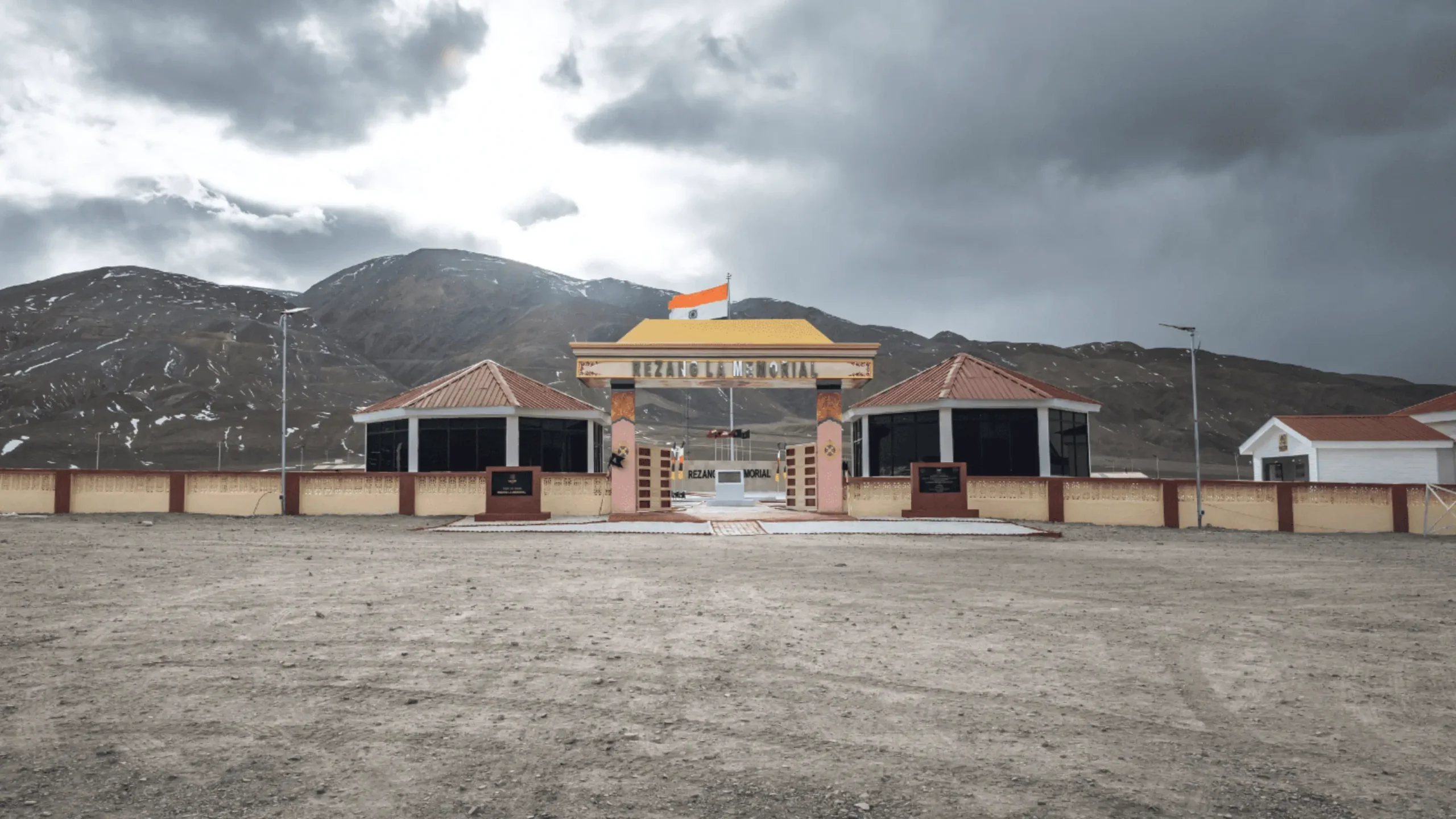
In 1963, a memorial was built at Chushul Plains, at an altitude of over 16,000 feet, to honor the soldiers of C Company, 13 Kumaon. The memorial stands close to the actual battleground, facing the mountains that witnessed their last stand. The epitaph on the memorial reads:
“How can a man die better than facing fearful odds, For the ashes of his fathers and the temples of his gods.”
In 2021, the Rezang La Memorial was renovated and rededicated to the nation by Defence Minister Rajnath Singh. The new memorial includes sections commemorating not only the 1962 heroes but also the Indian Army’s more recent
operations in the region. Visitors often describe the site as humbling, a quiet place where the wind carries echoes of courage.
VISITING REZANG LA
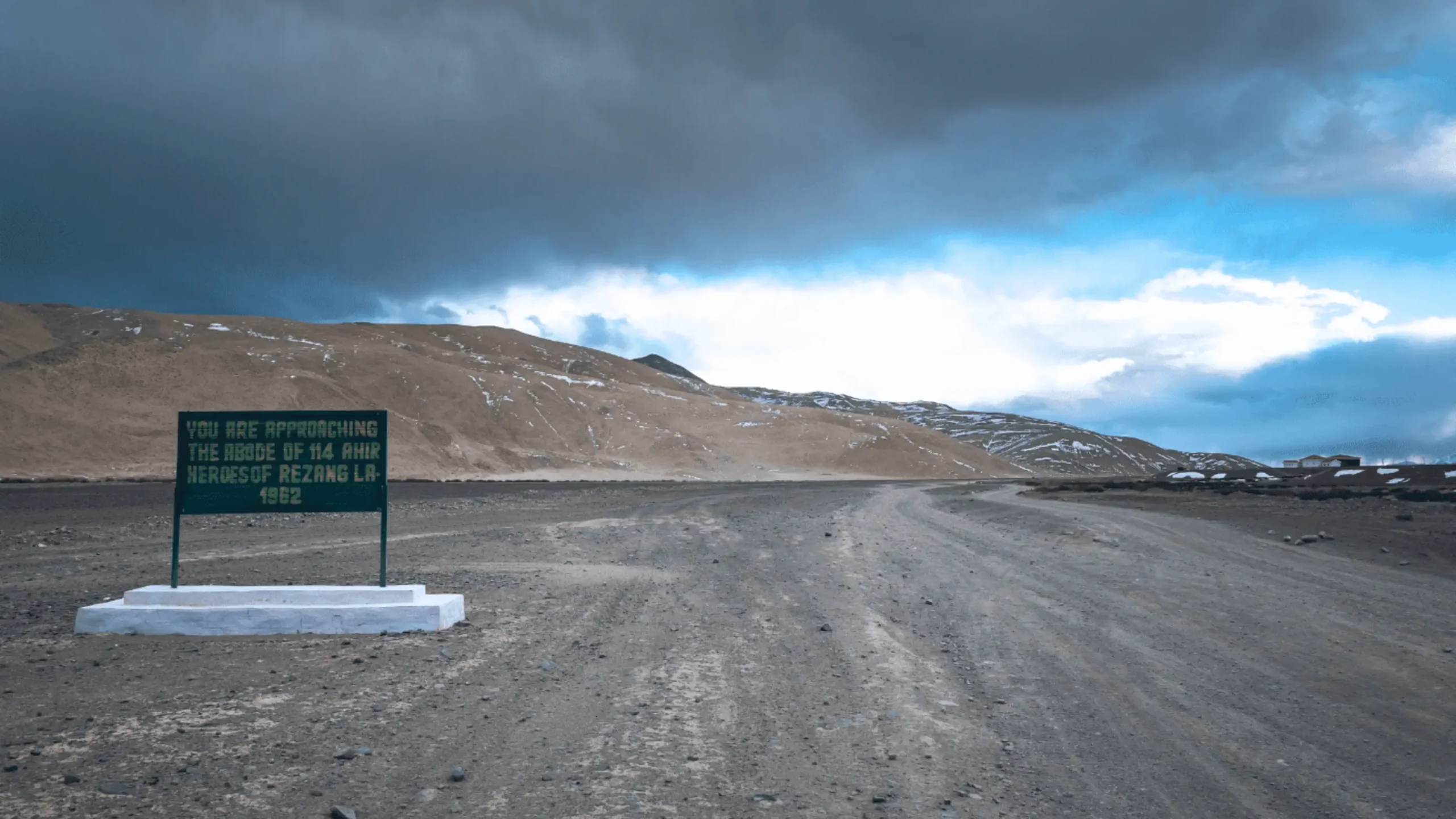
For travelers exploring Ladakh, a visit to Rezang La offers more than a glimpse of history, it’s a journey into India’s spirit of resilience. The site is located near Chushul, which can be reached by road from Leh via Tangste and Tsaka La. The route itself is an adventure, winding through barren valleys, frozen streams and high passes that test both endurance and awe. The best time to visit is between June and September, when the roads are open and the weather is relatively stable. Visitors need to obtain special permits from the District Administration in Leh, as the area lies close to the India-China border.
While photography is often restricted due to security reasons, standing before the memorial, with the Himalayas rising in silence, evokes a sense of deep respect. It’s a reminder that these remote, stark landscapes have been witnesses to stories of courage that shaped the nation.
WHY REZANG LA MATTERS
Rezang La is not just a war memorial. It is a lesson in duty, endurance and leadership. It represents the moment when a small group of soldiers stood firm against overwhelming odds and protected a vital part of Ladakh. For travellers, visiting this site connects the land with the bravery of the people who defended it. It adds meaning to the journey and reminds us that the quiet mountains of Ladakh have witnessed stories that shaped India.
“Courage is contagious. When a brave man takes a stand, the spines of others are often stiffened.”
At Rezang La, that courage still stands, carved not in stone but in spirit.
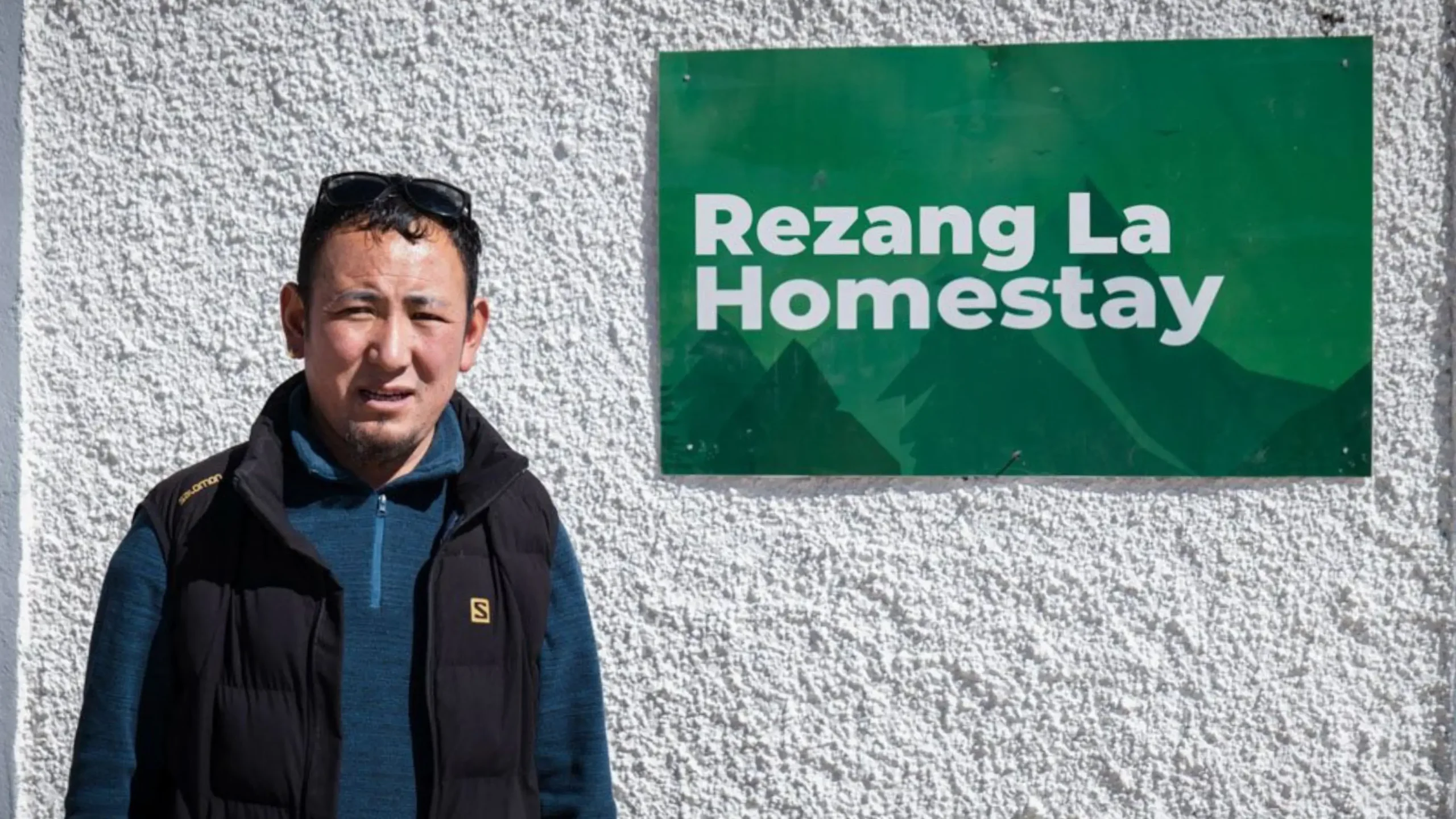
If you want to experience this history more closely, you can stay at Rezang La Border Homestay, Gurung Homestay, Trishul Homestay or Black Top Homestay in Chushul village. These homestays are run by local families who have grown up hearing stories from the 1962 war. At the homestay, you can live the moment by witnessing a picture gallery that speaks the valour and tales of the war, displayed through photographs and memories preserved by the community.
A recent cultural moment has added even more attention to this history. On 21 November 2025, a movie dedicated to the life of PVC Major Shaitan Singh, titled 120 Bahadur, is being released. Actor Farhan Akhtar plays the role of PVC Major Shaitan Singh, bringing the story of Rezang La to the screen for a new generation. The film captures the courage of the men who fought here, helping travellers understand the depth of the battle even before arriving at the site. Staying in Chushul allows you to listen to real accounts, explore the everyday life of the village, understand nomadic culture and connect your journey with the people, the history and the landscape of this border region.
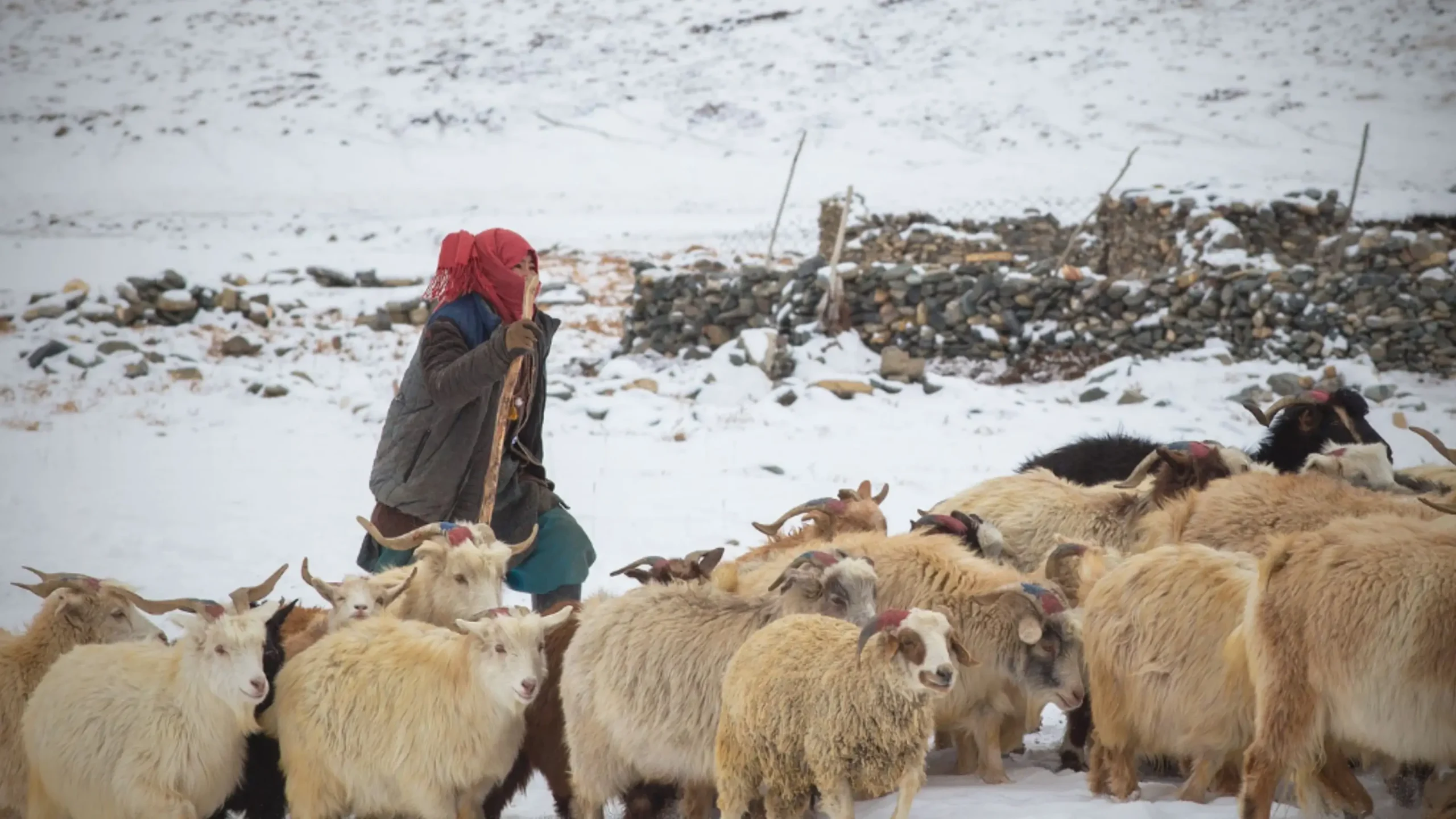
Meet the Changpas and spend a day with them in the highland pastures of Changthang Region!

[ss_blog_share]